
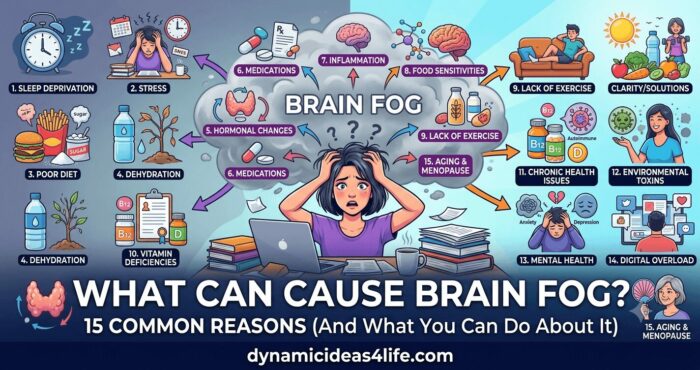
What Can Cause Brain Fog? 15 Common Reasons (And What You Can Do About It)
Have you ever walked into a room and completely forgotten why you were there? Or struggled to find the right words during a conversation? How about finding it unusually difficult to concentrate on the most plain and simple tasks?
Here what you might find out is that these are experiences caused by brain fog—a frustrating feeling of mental cloudiness that can affect your;
- Focus,
- Memory, and
- Overall productivity.
Although brain fog isn’t a medical condition in itself, it is a common symptom that can be linked to a wide range of lifestyle factors, nutritional deficiencies, hormonal changes, and underlying health conditions.
For some people, it may only last a few days during periods of stress or poor sleep, while for others it can become an ongoing problem that affects work, relationships, and quality of life.
So What Can You Do About Brain Fog?
If you think you have brain fog, don’t worry. The good news is that it often has an identifiable cause – something that, in many cases you can take practical steps to address.
In this guide, we’ll explore some of the most common reasons people experience brain fog, the symptoms to look out for, and lifestyle habits that may help support better cognitive function.
We’ll also discuss when brain fog could be a sign that it’s time to seek advice from a healthcare professional.
Plus, we’ll share our recommended supplement to try alongside other treatments. Keep reading to see what we suggest for a clear head and better mental clarity.
Quick Summary: Common Causes of Brain Fog
| Possible Cause | How It May Affect You |
|---|---|
| Poor sleep | Reduced concentration, slower thinking, forgetfulness |
| Chronic stress | Mental fatigue, poor focus, feeling overwhelmed |
| Nutrient deficiencies | Low energy, memory problems, reduced cognitive performance |
| Blood sugar fluctuations | Energy crashes, difficulty concentrating, irritability |
| Dehydration | Headaches, tiredness and reduced alertness |
| Poor diet | Lack of nutrients needed to support healthy brain function |
| Hormonal changes | Changes in memory, mood and concentration |
| Certain medications | Temporary cognitive side effects in some individuals |
| Anxiety or depression | Difficulty concentrating and processing information |
| Lack of physical activity | Reduced circulation and lower energy levels |
| Poor gut health | Changes in the gut-brain connection may influence cognitive function |
| Excessive alcohol | Impaired memory and slower mental processing |
| Long COVID | Ongoing fatigue and cognitive symptoms reported by some people |
| Ageing | Natural changes in cognitive processing speed |
| Underlying medical conditions | Thyroid disorders, diabetes and other health conditions may contribute to brain fog |
The key takeaway? Brain fog usually has more than one contributing factor. Improving your sleep, nutrition, hydration, stress levels and overall lifestyle may significantly improve symptoms, but persistent or worsening brain fog should always be discussed with a healthcare professional.
What Is Brain Fog?
Brain fog is a non-medical term used to describe a collection of symptoms that affect your ability to think clearly. In hindsight, rather than being a disease, brain fog is generally considered a symptom caused by other factors affecting physical or mental wellness.
People experiencing brain fog often describe this feeling as if their mind is “cloudy” or “slower than normal.” Simple tasks may suddenly require much more effort – conversations can become harder to follow, and concentrating for long periods can feel utterly exhausiting.
While occasional brain fog can happen to almost anyone—especially after a poor night’s sleep or during particularly stressful periods—persistent brain fog shouldn’t simply be ignored.
This may be your body’s way of signalling that something needs attention, whether that’s improving your lifestyle habits or investigating an underlying health condition.
Common Symptoms of Brain Fog
For anyone wondering how brain fog can affect you. The many ways it can include;
- Difficulty concentrating
- Forgetfulness
- Poor short-term memory
- Feeling mentally tired despite adequate rest
- Slower thinking or problem-solving
- Difficulty finding the right words
- Reduced motivation
- Feeling easily distracted
- Mental fatigue throughout the day
For some people, these symptoms are mild and only occur occasionally. Others may experience brain fog daily, making it more difficult to perform at work, study effectively, or complete everyday tasks.
It’s also worth remembering that brain fog can have several contributing factors at the same time. For example, someone who is stressed, sleeping poorly and eating an unbalanced diet may experience much more severe symptoms than someone dealing with just one of those issues.
**In many cases the main thing to understand is that whatever it is which may be contributing to your symptoms is often the first step towards bringing this condition back under control.
What Does Brain Fog Feel Like?
Everyone experiences brain fog a little differently, but most people describe it as feeling as though their mind is “slower” or less clear than usual. Tasks that would normally seem simple can suddenly require much more effort, and concentrating for long periods may become difficult.
Brain fog isn’t always constant either. Some people only notice it during particularly stressful periods or after a poor night’s sleep, while others experience symptoms almost every day.
Common descriptions of brain fog include:
- Feeling mentally “foggy” or cloudy
- Struggling to concentrate on conversations or work
- Frequently forgetting names, appointments, or where you’ve left things
- Finding it difficult to process information quickly
- Trouble finding the right words when speaking
- Feeling mentally drained even after getting enough sleep
- Difficulty making decisions
- Reduced motivation or productivity
- Losing your train of thought mid-conversation
- Feeling easily distracted
Although these symptoms can be frustrating, they don’t necessarily mean something serious is wrong. In many cases, brain fog improves once the underlying cause is identified and addressed.
However, if your symptoms are severe, continue for several weeks, or are accompanied by sudden confusion, weakness, speech problems, or changes in vision, it’s important to seek prompt medical attention, as these could indicate a more serious health condition.
15 Common Causes of Brain Fog
Brain fog rarely has just one single cause. Instead, it’s often the result of several factors such as lifestyle, poor nutrition, or medical factors working together. For those affected – simply, understanding what these possible causes are can help you identify areas that may benefit from closer attention. Please click on the boxes below to find out more;
Sleep is essential for healthy brain function. While you sleep, your brain processes memories, removes waste products, and prepares itself for the following day.
When you consistently get too little sleep—or your sleep quality is poor—you may notice symptoms such as:
– Difficulty concentrating
– Forgetfulness
– Slower reaction times
– Reduced productivity
– Mental fatigue
Conditions such as insomnia and sleep apnoea can also contribute to persistent brain fog.
Tip: Aim for 7–9 hours of quality sleep each night and maintain a regular bedtime where possible.
Modern life can be stressful, but prolonged stress may affect far more than your mood.
When you’re under constant pressure, your body produces higher levels of the hormone cortisol. Over time, elevated cortisol levels may affect attention, memory, sleep quality, and mental performance.
Many people notice that during stressful periods they:
Feel overwhelmed
Forget simple tasks
Struggle to focus
Make more mistakes than usual
Finding healthy ways to manage stress—such as regular exercise, meditation, or spending time outdoors—may help improve both your mental wellbeing and cognitive performance.
Your brain depends on a steady supply of vitamins, minerals, healthy fats, and other nutrients to function efficiently.
Deficiencies in certain nutrients have been linked with symptoms that may contribute to brain fog, including tiredness, poor concentration, and memory problems.
Some of the most commonly discussed nutrients include:
– Vitamin B12 for healthy nerve function and energy production
– Vitamin D for overall brain and immune health
– Magnesium for nervous system function and muscle relaxation
– Iron for transporting oxygen throughout the body, including the brain
– Folate for healthy cell growth and cognitive function
If you suspect you may have a nutritional deficiency, it’s always best to speak with your healthcare provider before starting supplements.
Your brain relies heavily on glucose for energy. When blood sugar levels rise and fall rapidly, it can affect concentration, mood, and mental clarity.
Some people notice brain fog after eating highly processed meals that are rich in refined carbohydrates or added sugars.
Symptoms may include:
– Mid-afternoon energy crashes
– Difficulty concentrating
– Irritability
– Feeling mentally sluggish
Choosing balanced meals that contain protein, healthy fats, fibre, and complex carbohydrates may help support steadier energy levels throughout the day.
Even mild dehydration may affect concentration and mental performance.
Because the brain is made up of around 75% water, staying properly hydrated is important for normal cognitive function.
Common signs of dehydration include:
– Headaches
– Tiredness
– Reduced concentration
– Dry mouth
– Dizziness
Drinking enough water throughout the day is one of the simplest habits that may help support clearer thinking.
Hormones influence many aspects of brain function, including mood, memory, and concentration.
Brain fog is commonly reported during:
– Pregnancy
– Perimenopause
– Menopause
– Thyroid disorders
Changes in hormone levels may temporarily affect cognitive performance, although symptoms often improve once hormone levels stabilise or appropriate treatment is started.
Mental health and brain function are closely connected. People living with anxiety or depression often report:
– Difficulty concentrating
– Slower thinking
– Reduced motivation
– Memory problems
Treating the underlying mental health condition frequently helps improve cognitive symptoms as well.
Scientists continue to study the fascinating connection between the gut and the brain, often referred to as the gut-brain axis.
The gut contains trillions of bacteria that may influence immune function, inflammation, and even the production of certain neurotransmitters involved in mood and cognitive health.
Although research is still evolving, maintaining a healthy gut through a balanced diet rich in fibre, fermented foods, and diverse plant-based foods may support overall wellbeing.
Regular exercise doesn’t just benefit your heart and muscles—it also supports your brain.
– Physical activity increases blood flow to the brain and has been associated with improvements in memory, learning, and overall cognitive function.
Even a brisk 30-minute walk most days of the week can make a positive difference.
Some prescription and over-the-counter medications list brain fog or drowsiness as potential side effects.
Examples include certain:
-Antihistamines
– Sleep medications
– Pain medications
– Anti-anxiety medications
If you think your medication may be contributing to brain fog, don’t stop taking it without speaking to your healthcare provider first.
Some people continue to experience symptoms for weeks or months after recovering from COVID-19.
Among the most commonly reported symptoms is difficulty concentrating, often described as “COVID brain fog.”
Researchers continue to investigate why this occurs and how long symptoms may last.
Alcohol can temporarily impair concentration, memory, and decision-making.
Long-term heavy alcohol use may have a more significant impact on brain health, particularly when combined with poor nutrition and inadequate sleep.
Some slowing of cognitive processing is considered a normal part of ageing.
However, significant memory loss or confusion is not considered a normal part of getting older and should always be discussed with a healthcare professional.
Several health conditions may contribute to ongoing brain fog, including:
– Diabetes
– Thyroid disorders
– Chronic fatigue syndrome
– Fibromyalgia
– Autoimmune diseases
– Anaemia
Managing the underlying condition often improves symptoms.
Sometimes brain fog isn’t caused by one major issue but by several small habits adding up.
Examples include:
– Poor sleep
– High stress
– Lack of exercise
– Excessive screen time
– Smoking
– Poor nutrition
– Drinking too little water
Making gradual improvements across several areas of your lifestyle may have a greater impact than focusing on just one.
Can Your Diet Cause Brain Fog?
For many people, diet plays a surprisingly bigger role in mental clarity than a lot of these will ever realise.
The brain is one of the body’s most energy-demanding organs, relying on a constant supply of nutrients to support memory, concentration, and healthy cognitive function. While no single food can prevent or cure brain fog, consistently eating a balanced, nutrient-rich diet may help support overall brain health.
Highly processed foods that are rich in added sugars, refined carbohydrates, and unhealthy fats may contribute to energy crashes and fluctuations in blood sugar, leaving some people feeling mentally sluggish or unfocused.
In contrast, a diet centred around whole foods provides the vitamins, minerals, healthy fats, and antioxidants your brain needs to function at its best.
Brain-Healthy Foods at a Glance
| Food | Key Nutrients | How It May Support Brain Health |
|---|---|---|
| Salmon, Mackerel & Sardines | Omega-3 fatty acids (EPA & DHA) | Supports normal brain function and helps maintain healthy brain cells. |
| Blueberries & Mixed Berries | Antioxidants, Vitamin C | Help protect brain cells from oxidative stress and support healthy ageing. |
| Leafy Green Vegetables | Folate, Vitamin K, Magnesium | Provide nutrients involved in cognitive function and nervous system health. |
| Eggs | Choline, Vitamin B12 | Choline contributes to the production of acetylcholine, a neurotransmitter involved in memory and learning. |
| Nuts & Seeds | Vitamin E, Healthy Fats, Magnesium | Support overall brain health and provide long-lasting energy. |
| Whole Grains | Fibre, B Vitamins | Help provide a steady release of energy to the brain throughout the day. |
| Avocados | Healthy Monounsaturated Fats | Support healthy blood flow, which is important for brain function. |
| Olive Oil | Polyphenols, Healthy Fats | A key part of the Mediterranean diet, which has been associated with healthy cognitive ageing. |
| Beans & Lentils | Protein, Fibre, Iron | Help stabilise blood sugar levels and provide nutrients that support energy production. |
| Fermented Foods | Probiotics | May help support a healthy gut microbiome, which communicates with the brain through the gut-brain axis. |
| Dark Chocolate (70%+ Cocoa) | Flavanols | May help support blood flow to the brain when enjoyed in moderation. |
| Green Tea | L-Theanine, Natural Caffeine | Can promote calm alertness and improve focus for some people. |
These foods provide nutrients such as omega-3 fatty acids, B vitamins, magnesium, vitamin D, antioxidants, and fibre, all of which play important roles in supporting normal brain function.
Foods to enjoy in moderation
While occasional treats are perfectly fine as part of a balanced diet, regularly consuming large amounts of the following may contribute to fluctuations in energy levels for some people:
- Sugary drinks
- Sweets and confectionery
- White bread and refined pastries
- Highly processed snack foods
- Excessive alcohol
Rather than focusing on strict food rules, aim to build meals around whole, minimally processed foods while staying well hydrated throughout the day.
Remember: Diet is only one piece of the puzzle. Brain fog often has multiple contributing factors, so improving your nutrition is likely to be most effective when combined with good sleep, regular exercise, stress management, and addressing any underlying health conditions.
Can Supplements Help Brain Fog?
If you’re experiencing brain fog, it’s natural to wonder whether a dietary supplement could help improve your focus, memory, or mental clarity.
However, the answer isn’t always straightforward. Brain fog is a symptom rather than a condition itself, so the most effective approach is identifying and addressing the underlying cause.
For example, if your symptoms are related to let’s say;
- Poor Sleep,
- Chronic Stress,
- Dehydration, or
- a Vitamin Deficiency…
then making changes in those areas is likely to have a greater impact than relying on supplements alone.
That said, some vitamins, minerals, and plant extracts have been studied for their potential role in supporting normal cognitive function and overall brain health.
Of the many to choose from one we recommend at DynamicIdeas4life.com is Cognibiotics by Bioptimizers. This is an extensive blend of Chinese Herbs, probiotics and prebiotic fiber. For the gut-brain axis specifically this might be a worthwhile Investment (read more here)
Nutrients That May Support Brain Health
| Supplement | Potential Benefits |
|---|---|
| Omega-3 Fatty Acids | DHA contributes to the maintenance of normal brain function. Oily fish is the best source, but supplements may be useful for those who eat little or no fish. |
| Vitamin B12 | Supports normal nervous system function and energy metabolism. A deficiency can contribute to tiredness and neurological symptoms. |
| Vitamin D | Plays an important role in overall health, including immune and nervous system function. |
| Magnesium | Contributes to normal psychological function and helps reduce tiredness and fatigue. |
| Iron | Essential for oxygen transport. Low iron levels may contribute to fatigue and reduced concentration. |
Plant-Based Ingredients Studied for Cognitive Support
Some herbal ingredients have also attracted interest for their potential effects on memory, focus, and mental performance.
These include:
- Lion’s Mane Mushroom – A medicinal mushroom being studied for its potential to support nerve health and cognitive function.
- Bacopa Monnieri – Traditionally used in Ayurvedic medicine and researched for memory and learning.
- Rhodiola Rosea – An adaptogenic herb that may help the body cope with stress and mental fatigue.
- Ginkgo Biloba – One of the most widely researched herbs for circulation and cognitive health, although evidence remains mixed.
- Citicoline (CDP-Choline) – Studied for its role in supporting healthy brain cell membranes and cognitive performance.
While some studies have shown promising results, research is still ongoing, and no supplement should be viewed as a guaranteed solution for brain fog.
A Balanced Approach
If you’re considering supplements, it’s worth remembering a few simple principles:
- Supplements work best alongside a healthy lifestyle—not instead of one.
- More isn’t always better. Taking excessive doses of vitamins or minerals can sometimes do more harm than good.
- If you suspect a nutrient deficiency, speak with your GP or healthcare professional before starting supplementation.
- Choose products from reputable manufacturers that provide transparent ingredient lists and, where possible, third-party testing.
For many people, improving sleep, managing stress, eating a balanced diet, and staying physically active are likely to have a greater impact than adding another supplement to the cupboard.
Lifestyle Changes That May Improve Mental Clarity
Although there’s no instant cure for brain fog, simple daily habits can often make a noticeable difference over time.
Small, consistent improvements are usually more effective than trying to change everything at once. Check boxes below to read more;
Poor sleep is one of the most common contributors to brain fog.
Aim for 7–9 hours of sleep each night and try to maintain consistent bedtimes, even at weekends. Reducing screen time before bed and creating a relaxing evening routine may also improve sleep quality.
Even mild dehydration can affect concentration and mental performance.
Carry a reusable water bottle and drink regularly throughout the day, particularly during hot weather or after exercise.
A diet rich in vegetables, fruit, whole grains, lean protein, healthy fats, and fibre provides the nutrients your brain needs to function efficiently.
Limiting highly processed foods and excessive added sugars may also help support more stable energy levels.
Long-term stress can leave you feeling mentally exhausted.
Helpful strategies include:
– Meditation
– Deep breathing exercises
– Yoga
– Spending time outdoors
– Journalling
– Listening to music
– Talking with friends or family
Even 10–15 minutes of relaxation each day can make a positive difference.
Regular physical activity improves circulation throughout the body, including the brain.
Current guidelines recommend aiming for at least 150 minutes of moderate-intensity exercise each week, alongside activities that strengthen your muscles.
The best exercise is one you enjoy and can stick with consistently.
Just like your muscles, your brain benefits from regular challenges.
Activities such as reading, learning a new skill, puzzles, playing a musical instrument, or even trying a new hobby can help keep your mind active.
Heavy alcohol consumption and smoking may negatively affect brain health over time.
Reducing alcohol intake and avoiding tobacco products can benefit both your cognitive function and your overall health.
Emerging research continues to explore the connection between the gut microbiome and the brain.
Supporting a healthy gut by eating plenty of fibre-rich foods, fermented foods, and a varied diet may contribute to overall wellbeing.
Quick Lifestyle Checklist
| Habit | Why It May Help |
|---|---|
| 😴 Get 7–9 hours of sleep | Supports memory and concentration |
| 💧 Stay hydrated | Helps maintain normal cognitive function |
| 🥗 Eat a balanced diet | Provides essential nutrients for the brain |
| 🚶 Exercise regularly | Improves circulation and supports brain health |
| 🧘 Manage stress | May improve focus and mental wellbeing |
| 🧩 Keep your brain active | Encourages lifelong cognitive stimulation |
| 🍺 Drink alcohol in moderation | Supports long-term brain health |
| ❤️ Manage existing health conditions | May reduce symptoms associated with brain fog |
When Should You See a Healthcare Professional?
Occasional brain fog is something that most people experience from time to time, particularly during periods of stress, poor sleep, or illness.
However, if your symptoms are persistent, becoming worse, or starting to interfere with your daily life, it’s important to seek medical advice.
A healthcare professional can assess your symptoms, review your medical history, and, if necessary, arrange tests to investigate possible underlying causes.
You should consider speaking with your GP if:
- Brain fog lasts for several weeks or longer.
- Your memory problems are becoming more noticeable.
- You regularly struggle to complete everyday tasks.
- Symptoms continue despite improving your sleep and lifestyle habits.
- You experience ongoing fatigue alongside brain fog.
- You suspect a vitamin or mineral deficiency.
- You’re concerned that a medication may be causing your symptoms.
Seek urgent medical attention if brain fog is accompanied by:
- Sudden confusion
- Difficulty speaking
- Weakness or numbness on one side of the body
- Severe headache
- Vision changes
- Loss of consciousness
- Chest pain or difficulty breathing
These symptoms could indicate a medical emergency, such as a stroke, and should never be ignored.
The Bottom Line
Brain fog is often temporary and can sometimes be improved through healthier lifestyle habits, but persistent or severe symptoms deserve proper medical assessment.
***Identifying the underlying cause is the most important step towards finding the right treatment and improving your quality of life.
Related FAQs
Is Brain Fog a Medical Condition?
No. Brain fog isn’t considered a medical condition on its own. Instead, it’s a term used to describe symptoms such as poor concentration, forgetfulness, mental fatigue, and difficulty thinking clearly.
Because it can have many different causes, it’s important to identify the underlying reason if symptoms persist.
Can Stress Cause Brain Fog?
Yes. Long-term stress is one of the most common contributors to brain fog. When you’re under constant pressure, elevated stress hormones may affect your concentration, memory, and ability to process information.
Finding healthy ways to manage stress—such as regular exercise, meditation, spending time outdoors, or simply taking time to relax—may help improve mental clarity over time.
Can Poor Sleep Cause Brain Fog?
Absolutely. Sleep plays a vital role in memory, learning, and overall brain function. Even one or two nights of poor-quality sleep can leave you feeling forgetful, unfocused, and mentally exhausted.
If brain fog regularly follows poor sleep, improving your sleep habits may make a noticeable difference.
Can Dehydration Cause Brain Fog?
Yes it can. The human brain relies on adequate hydration to function properly. Even mild dehydration can affect concentration, alertness, and short-term memory. For this reason, drinking enough water throughout the day is one of the simplest ways to support both your brain and overall health.
Can Vitamin Deficiencies Cause Brain Fog?
Yes. Certain nutrient deficiencies have been associated with symptoms that may contribute to brain fog. For example, low levels of vitamin B12, iron, magnesium, folate, or vitamin D may affect energy levels, concentration, and cognitive function in some individuals.
If you suspect a deficiency, speak with your healthcare professional, who may recommend appropriate testing.
Can Your Diet Affect Mental Clarity?
Absolutely! A balanced diet provides the nutrients a healthy brain needs to function efficiently. Regularly eating highly processed foods while consuming too few fruits, vegetables, healthy fats, and protein may contribute to energy crashes resulting in poor mental clarity and brain fog.
Small improvements to your diet can often support better overall wellbeing.
Can Supplements Cure Brain Fog?
No supplements alone can not cure brain fog. While certain vitamins, minerals, and plant extracts may support normal brain function, supplements are usually most effective when combined with healthy lifestyle habits and used to address genuine nutritional deficiencies where appropriate.
The first step should always be identifying the underlying cause of your symptoms.
When Should I See a Doctor About Brain Fog?
You should consider speaking with your GP if brain fog lasts for several weeks, becomes progressively worse, or starts interfering with your daily life.
Seek urgent medical attention if your symptoms are sudden or occur alongside difficulty speaking, weakness, severe headaches, changes in vision, or loss of consciousness.
Final Thoughts
Brain fog can be incredibly frustrating, especially when it begins to affect your work, studies, or everyday life. The good news is that, for many people, it’s often linked to lifestyle factors that can be improved over time.
- Getting enough quality sleep,
- eating a balanced diet,
- staying physically active,
- managing stress, and
- keeping well hydrated
All these play an important role in supporting healthy brain function. If your symptoms are related to a nutritional deficiency or an underlying medical condition, identifying and treating the root cause is usually the most effective approach.
Remember that lasting improvements rarely happen overnight. Small, consistent changes to your daily habits can often make a much bigger difference than searching for a quick fix.
Finally, if your brain fog is persistent, severe, or accompanied by other concerning symptoms, don’t ignore it. A healthcare professional can help determine whether there’s an underlying condition that needs further investigation.
Looking after your brain is just as important as looking after the rest of your body. By taking proactive steps today, you may find it easier to improve your focus, support your cognitive health, and feel more like yourself again.




Ready to Support Your Brain and Overall Wellbeing?
Healthy habits don’t have to be complicated.
If you’re looking for practical tips on nutrition, gut health, sleep, exercise, supplements, and healthy living, I’d love for you to join my free newsletter.
As a subscriber, you’ll receive:
- ✅ Healthy living tips you can actually use
- ✅ Honest supplement reviews and buying guides
- ✅ Gut health and nutrition advice
- ✅ Weight loss and wellness resources
- ✅ Exclusive subscriber-only bonuses
Simply enter your email below to get started and receive your free healthy living resources.

Fix Your Energy, Sleep and Nutrition Today 🛠
Get our 20-Step Healthy Living eBook, Daily Health Planner and our other bonuses sent to your inbox instantly. Start your journey with 7 days of exclusive gifts and expert tips to stay fit throughout 2026.
Disclaimer: We hate spam too. Unsubscribe anytime.
Anxiety and Depression are you magnesium deficient BiOptimizers blood pressure supplements blood sugar control blood sugar support supplements digestive enzymes Digestive Enzymes Supplement Digestive Health digital products Dr Sam Robbins Gut Health Gut Health While Travelling Health Tips for Travelling Healthy Living heart health HFL hypomagnesia insulin resistance joint health supplement keto dieting Keto Diet Weight Loss leaky gut supplements list Low Stomach Acid magnesium Magnesium deficiency Matt Gallant mental health multivitamins Nootopia Nootropics Probiotics Probiotic Supplements reverse type 2 diabetes stress and anxiety stress relief Supplements vitapost Wade Lightheart weight loss articles weight loss diet plans weight loss product reviews weight loss supplements weight loss tea
About Author





Sounds great. I have experienced this when tired. Overall I am very alert, I think. The product sounds very good. Thank You. Chris
Thank you for reading and commenting
Hello there, thank you for sharing this very informative article with us, I understand that for a post as this, alot if conscious, calculated and delibrate effort to put this together, this has broaden my knowledge about brain fog and also thank you for recommending NeuroActive6. I don’t know much about it but from your review of it I think it will be very useful.
I’m very pleased to hear from you. It’s good to hear that you got benefit from it.
Hello dear, I am Really glad that you shared this information with us, I was searching online when I saw your post, I believe I have been enlightened more about brain fog, I think your article was great, I’ll surely do some recommendations, I think my wife will love this article she works in a pharmacy, thanks for the info.
Many thanks for reading and leaving me a comment. If you feel people will get benefits from it the feel free to share. Thank you.
This is a major situation that affects both boys, girls anybody irrespective of your gender, age e.t.c
Thanks for sharing so much knowledge and information about this challenge. This informations are really useful and insightful. Thanks for your recommendation on what to manage such situations, I think they’ll help.
The Neuro Active 6 is a great idea.
Thank you for taking the time to read and comment I’m very pleased you found it insightful.
Hello there, nice article you have there on”brain fog”.
I found it very helpful.
The description you gave on brain fog seems familiar. I usually find it difficult to concentrate or focus on a thing when am thinking, I feel like there is something blocking me from accessing the information, could this be classified has brain fog as well? Just wanted to confirm. Thanks
Hey Lizzy, I appreciate you taking the time to read and comment. It’s great you found it helpful.
yes it could be considered as brain fog. Do you have any other symptoms?
Can I have brain fog even if I’m still not in my 50’s? I was wondering since I often have times when my focus is scattered and I couldn’t settle in only one task. I’ve heard that it also has to do with too much carbs in the body, and that I need to lessen carbs in order for my body to function well. Any thoughts on this?
Hi Dominic, I have friends not in their 50’s who suffer from brain fog. I’m not sure about the carbs, when I was on a keto diet (low carbs) I didn’t have any better mental clarity although some report that they have. I guess it depends on the individual. Many thanks for your questions and comments.
Hi Lisa. This product is like fuel for your brain. Before you use NeuroActive6, must you first visit a medical doctor? Can the medical profession test for brain fog through a blood test? I am over 60 and as we all know it is time for more focusing and concentration. If it does what it says, I will buy it and test it and will give you feedback.
Giliam
Hello Gilliam, thank you for reading my article. I would recommend speaking to a doctor because you never know if the ingredients in the product may not agree with anything you are already taking. That would be awesome to get some feedback.
Kind regards
Lisa