
The Best Natural Alternatives to Omeprazole (Prilosec) – And What to Do If It Stops Working
If Prilosec (omeprazole) isn’t working like it used to, you’re not alone.
Millions of people rely on proton pump inhibitors (PPIs) for acid reflux, heartburn, and digestive discomfort — but many find that over time:
- Symptoms come back
- Relief becomes inconsistent
- Or the root cause is never fully addressed
As a result, more people are now searching for:
- natural alternatives to Prilosec
- a natural substitute or replacement for Prilosec
- what to take if Prilosec OTC isn’t working
In this guide, I’ll break down why this happens, the real root causes of reflux, and the best natural ways to support digestion — including what I personally use instead.
*Please note: This article contains affiliate links. If you choose to purchase through them, I may earn a commission at no extra cost to you. I only share products I believe may be helpful based on research and user experience.
Any questions please contact me at chivs86@dynamicideas4life.com
My Experience With Omeprazole (Why I Looked for Alternatives)

A few years ago, I was prescribed Omeprazole for acid reflux.
At the time, my symptoms were pretty bad — likely triggered by a poor diet and drinking too much alcohol.
I was willing to try Omeprazole out as I know other people Including my mother who has taken this medication for many years, but for me, after just a few days, I really didn’t feel right taking it. It just did not agree with me, and actually it had some quite unpleasant side effects.
So, Instead of continuing, I focused on:
- Improving my diet
- Drinking more water
- Cutting out alcohol
That alone made a noticeable difference.
But, later, I started looking into natural ways to support digestion — and that’s where things really improved.
What Is Prilosec (Omeprazole)?

Prilosec is a proton pump inhibitor (PPI).
It works by reducing the amount of acid your stomach produces and is commonly used for:
- Acid reflux / heartburn
- GERD
- Peptic ulcers
- Indigestion
Other similar medications (PPIs) include:
- Rabeprazole
- Lansoprazole
- Pantoprazole
While these can be helpful short-term, they don’t always address why symptoms are happening.
According to organisations like the NHS in the UK, proton pump inhibitors are commonly used to reduce stomach acid, but they are usually recommended for specific conditions and durations.
Why Prilosec (Omeprazole) Might Stop Working
IIf you’ve been searching for things like:
- “Prilosec not working”
- “Prilosec OTC not working”
You’re definitely not alone.
While proton pump inhibitors (PPIs) like Prilosec can be effective short-term, they don’t always address the root cause of digestive issues — which is why symptoms can persist or return over time.
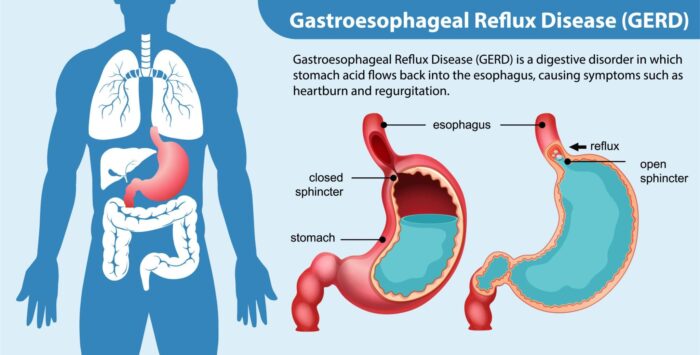
Here are the most common reasons 👇
🔸 1. It Doesn’t Address the Root Cause
PPIs reduce acid — but reflux isn’t always caused by too much acid.
In many cases, it’s linked to:
- Poor digestion
- Low stomach acid (hypochlorhydria)
- Gut imbalance
👉 This means symptoms can continue even while taking medication.
🔸 2. Rebound Acid Production
After long-term use, stopping PPIs may lead to a temporary increase in acid production.
- This is often referred to as acid rebound, and it can make symptoms feel worse initially.
🔸 3. Food Isn’t Being Properly Broken Down
When digestion is inefficient, food can sit in the stomach longer than it should.
This can lead to:
- Acid being pushed back up into the oesophagus
- Increased pressure in the stomach
- Bloating
🔸 4. Gut Health Imbalance
Stomach acid plays an important role in controlling harmful bacteria.
Reducing it long-term may affect gut balance — which can contribute to ongoing digestive symptoms.
Best Natural Alternatives to Prilosec (Omeprazole)
If you’re looking for a natural alternative or replacement for Prilosec, the goal isn’t just to suppress symptoms — it’s to support digestion properly.
Here are the most effective options:
🔹 1. Digestive Enzymes (⭐ Most Important)
Digestive enzymes help break down food efficiently.
👉 This reduces:
- Bloating
- Pressure in the stomach
- Reflux symptoms
💡 This is often the missing piece for many people.
🔹 2. Probiotics
Gut bacteria play a key role in digestion and inflammation.
A high-quality probiotic can help:
- Balance gut flora
- Support digestion
- Reduce symptoms over time
🔹 3. Betaine HCL (Low Stomach Acid Support)
This is where things get interesting…
In some cases, reflux may actually be linked to low stomach acid, not high.
Supporting stomach acid levels may help improve digestion and reduce symptoms.
🔹 4. Ginger
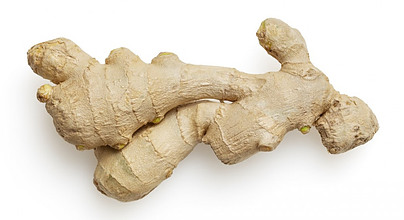
Ginger has been used for centuries to support digestion and reduce nausea.
It works by helping to speed up gastric emptying, meaning food moves through the stomach more efficiently — which may reduce pressure and reflux symptoms.
👉 Potential benefits include:
- Supporting digestion after meals
- Reducing nausea and discomfort
- Natural anti-inflammatory effects
💡 Ginger can be taken as:
- Fresh ginger tea
- Capsules
- Added to meals
⚠️ Tip: While ginger is generally well tolerated, large amounts may sometimes worsen heartburn in sensitive individuals — so it’s best to start small.
🔹 5. Slippery Elm & Marshmallow Root (Gut-Lining Support)
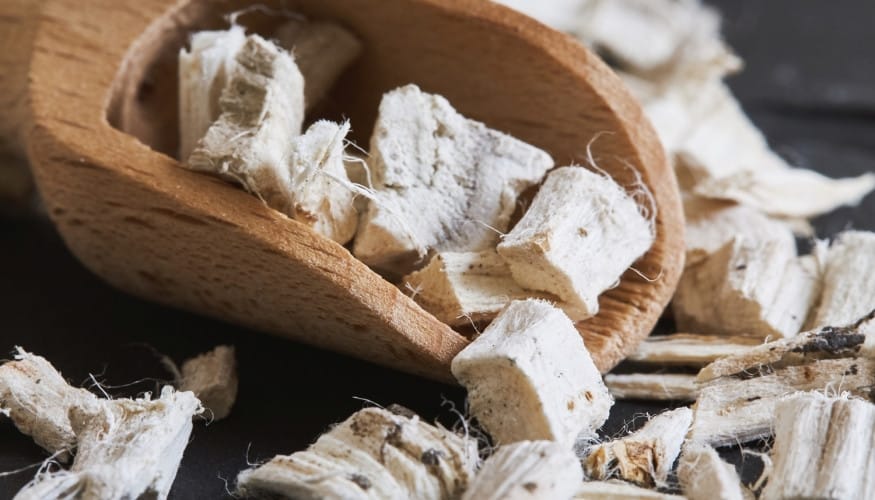
Herbs like slippery elm and Marshmallow root are known for their soothing properties.
They contain compounds called mucilage, which form a gel-like substance when mixed with water.
👉 This can help:
- Coat and protect the digestive tract
- Soothe irritation in the oesophagus
- Support healing of the gut lining
These are often used by people dealing with:
- Acid reflux
- Heartburn
- Irritated digestion
💡 They are commonly taken as:
- Herbal teas
- Powders mixed with water
- Capsules
🔹 6. Papaya Enzymes (Natural Digestive Aid)
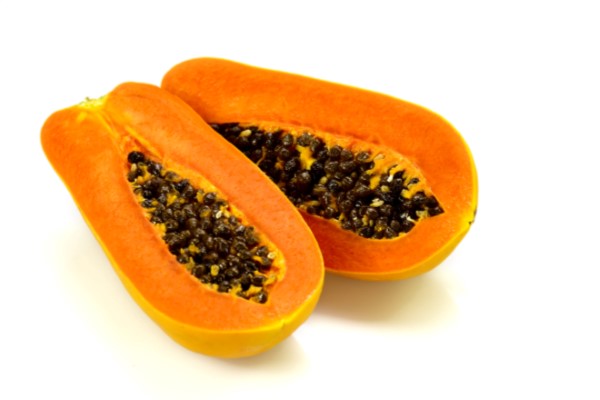
**Papaya contains a natural enzyme called papain, which helps break down proteins in the stomach.
👉 This may help:
- Improve digestion after meals
- Reduce bloating and fullness
- Lower the chance of reflux caused by undigested food
Papaya enzyme supplements are often used as a gentle, natural alternative to digestive enzymes.
💡 Best used:
- After meals
- When eating heavier or protein-rich foods
🔹 7. Chamomile Tea (Calming + Anti-Inflammatory)

**Chamomile tea is well known for its calming effects — but it may also support digestion.
👉 It may help:
- Relax the digestive tract
- Reduce inflammation
- Ease mild reflux and discomfort
Because stress can play a role in digestive issues, chamomile can be especially useful in the evening.
💡 Best used:
- After meals
- Before bed
💡 Side note: while these natural remedies can help, many people find the best results come from combining them with targeted digestive support supplements.
💡 If you’re looking for a simple way to support digestion naturally…
👉 Many people combine digestive enzymes + stomach acid support for better results.
👉 I personally use HCL Breakthrough by BiOptimizers — you can check it here <<
Alternatives to Rabeprazole and Other PPIs
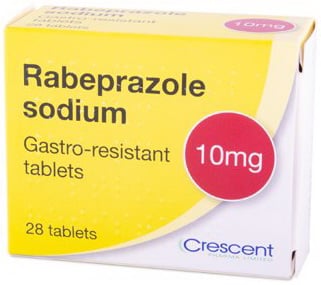
Medications like Rabeprazole work in a similar way to omeprazole.
So if you’re searching for:
- alternatives to rabeprazole
- natural replacement for PPIs
👉 The same strategies apply:
- Improve digestion
- Support gut health
- Address root causes
What I Recommend Instead (My Go-To Solution)
If you’re looking for a practical alternative to Prilosec, this is what I personally recommend:
👉 A combination of:
- Digestive support
- Gut health support
- (Optional) stomach acid support
⭐ My Top Pick: HCL Breakthrough by BiOptimizers
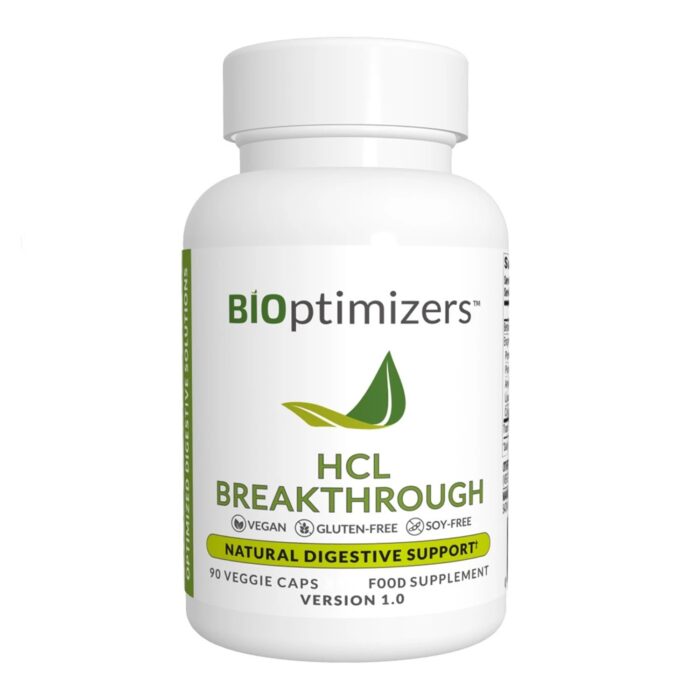
After trying different approaches, one supplement I keep coming back to is:
👉 HCL Breakthrough by BiOptimizers
Why I Like It:
✔ Supports healthy stomach acid levels
✔ Includes digestive enzymes
✔ Helps break down protein and fats
✔ Designed to support digestion at the root level
💡 For many people, this approach may make more sense than simply reducing acid.
👉 Check availability and current pricing here <<
What to Do If Prilosec Isn’t Working (Simple Plan)
If you’re still dealing with reflux, bloating, or discomfort despite using Prilosec, it may be time to take a different approach.
Instead of focusing only on reducing stomach acid, this plan focuses on supporting digestion at the root level 👇
✅ Step 1: Improve Digestion
Start by helping your body break down food more efficiently.
👉 Digestive enzymes can support:
- Less pressure in the stomach
- Protein and fat breakdown
- Reduced bloating after meals
✅ Step 2: Support Gut Health
Your gut bacteria play a key role in digestion and inflammation.
👉 A high-quality probiotic may help:
- Improve overall gut function
- Balance gut flora
- Support digestion
✅ Step 3: Reduce Common Triggers
Certain habits can make symptoms worse, even if you’re taking medication.
👉 Try reducing:
- Large, heavy meals (especially late at night)
- Alcohol
- Highly processed foods
✅ Step 4: Consider Stomach Acid Support (If Appropriate)
This may sound counterintuitive…
…but in some cases, symptoms may actually be linked to low stomach acid, not high.
👉 Supporting healthy acid levels can help improve digestion and reduce reflux symptoms for some people.
💡 Simple Daily Gut Stack:
For many people, combining these strategies works best:
- Digestive enzymes
- Probiotic
- HCL support (optional)
💡 This is the exact approach many people use when looking for a natural alternative to Prilosec or when Prilosec OTC isn’t working as expected.
👉 If you’re looking to support digestion, reduce bloating, and take a more natural approach than Prilosec, you can check the supplements I personally use here <<
👉 Use code 13586 for 10% off
⚠️ Important
Natural alternatives can be helpful, but they are not a replacement for medical advice.
If you have:
- Severe GERD
- Ulcers
- Ongoing symptoms
👉 Speak with a healthcare professional before making changes.
Final Verdict: Natural Alternatives vs Prilosec
For short-term relief, medications like Prilosec can be useful.
But if symptoms keep coming back…
👉 Focusing on digestion and gut health is often a more effective long-term strategy.

Fix Your Energy, Sleep and Nutrition Today 🛠
Get our 20-Step Healthy Living eBook, Daily Health Planner and our other bonuses sent to your inbox instantly. Start your journey with 7 days of exclusive gifts and expert tips to stay fit throughout 2026.
Disclaimer: We hate spam too. Unsubscribe anytime.
Related FAQs
What can I take instead of Prilosec naturally?
Digestive enzymes, probiotics, ginger, and gut-supporting herbs are common natural alternatives.
Why is Prilosec not working anymore?
It may not address the root cause, such as poor digestion or gut imbalance.
What is a natural substitute for rabeprazole?
Natural strategies like improving digestion and supporting gut health can be used instead of relying only on acid suppression.
Is it safe to stop Prilosec suddenly?
Stopping Prilosec suddenly can sometimes lead to acid rebound, where symptoms temporarily worsen. It’s often best to reduce use gradually and speak with a healthcare professional if needed.
What causes acid reflux if it’s not too much acid?
Acid reflux can also be caused by poor digestion, slow stomach emptying, low stomach acid, or pressure in the stomach pushing contents upward.
Do digestive enzymes help with acid reflux?
Digestive enzymes may help reduce reflux symptoms by improving food breakdown and reducing bloating and pressure in the stomach.
What is the best natural alternative to Prilosec?
The best natural approach often involves a combination of digestive support, gut health support, and lifestyle changes rather than relying on a single remedy.
🔍 People Also Ask About (Prilosec Alternatives)
❓ What can I use instead of Prilosec naturally?
Natural alternatives to Prilosec often focus on improving digestion rather than reducing stomach acid. Common options include digestive enzymes, probiotics, ginger, and gut-supporting herbs like slippery elm.
❓ Why does Prilosec stop working after a while?
Prilosec may stop working if the root cause of symptoms isn’t excess acid. Issues like poor digestion, low stomach acid, or gut imbalance can continue to cause reflux even while taking PPIs.
❓ What should I do if Prilosec OTC isn’t working?
If Prilosec OTC isn’t working, it may help to focus on digestion and lifestyle factors. Supporting gut health, improving food breakdown, and reducing trigger foods can make a difference.
❓ Are there natural alternatives to Rabeprazole?
Yes — since rabeprazole works similarly to omeprazole, the same natural approaches apply. These include improving digestion, supporting gut bacteria, and addressing underlying causes of reflux.
❓ Do digestive enzymes help with acid reflux?
Digestive enzymes may help reduce reflux symptoms by improving how food is broken down, which can reduce bloating and pressure in the stomach.
❓ Is acid reflux always caused by too much stomach acid?
Not always. In some cases, acid reflux may be linked to low stomach acid, poor digestion, or delayed stomach emptying.
❓ What is the best long-term alternative to Prilosec?
For long-term support, many people focus on improving digestion, maintaining gut health, and making dietary changes rather than relying solely on acid suppression.
Final Note: If you’re looking for a simple way to support digestion naturally, you can check the digestive support formula I personally use here <<
Also, for further discounts – 👉 Use code 13586 for 10% off)



Anxiety and Depression are you magnesium deficient BiOptimizers blood pressure supplements blood sugar control blood sugar support supplements digestive enzymes Digestive Enzymes Supplement Digestive Health digital products Dr Sam Robbins Gut Health Gut Health While Travelling Health Tips for Travelling Healthy Living heart health HFL hypomagnesia insulin resistance joint health supplement keto dieting Keto Diet Weight Loss leaky gut supplements list Low Stomach Acid magnesium Magnesium deficiency Matt Gallant mental health multivitamins Nootopia Nootropics Probiotics Probiotic Supplements reverse type 2 diabetes stress and anxiety stress relief Supplements vitapost Wade Lightheart weight loss articles weight loss diet plans weight loss product reviews weight loss supplements weight loss tea
About Author






Thanks for this information. It’s quite interesting as I’ve been taking this medicine for several years. I started taking myself off of it a few months back. I haven’t told my doctor I have. I want to try some of the herbal recommendations you’ve suggested here.
Thanks,
Connie
Hi Connie, Yes I tried it I think a couple of times but the last time I had a really bad reaction. I know some people are OK taking it but I do think that people should try natural remedies to see if they can be used instead. Pretty much my idea for this article. Also, my mum has been taking this for years so thought I would write this for her as longer you take this stuff the more risk it is to your health.
I have not heard of Omeprazole, but I prefer natural herbs to other alternatives.
For example, I use ginger a lot, and it works for virtually everything for me.
Especially when I have a cough, I boil water with grated ginger and a slice of lemon and feel better a few minutes later.
Thanks for bringing this to light.
Cheers.
Hi Muslimah, Thanks for commenting. I sometimes make a similar brew myself but with loose Pu-er tea. I don’t really like the ginger and lemon tea bags but this is quite easy to drink I think, and yes totally agree with you – natural remedies all the way. Even supplements I don’t think are so bad but some medications like Omeprazole I do really shake my head at.
Many people search for natural alternatives when medications like omeprazole no longer seem as effective or they want additional lifestyle support. I’ve seen that changes like diet adjustments, reducing trigger foods, and stress management can sometimes make a big difference alongside medical guidance. In my opinion, it’s always wise to approach natural remedies carefully and speak with a healthcare professional first. What natural approach have you found most helpful for supporting reflux symptoms?
Hi Monica,
Thank you — that’s a really sensible perspective, and I completely agree with you.
In my experience, the most helpful “natural” approach for reflux tends to be starting with simple lifestyle habits rather than supplements. Things like identifying and reducing trigger foods, eating slightly smaller meals, not lying down too soon after eating, and managing stress can make a noticeable difference for many people over time.
If I had to highlight one area, it would probably be meal timing and portion size. A lot of people find that spacing meals out and avoiding large, late-night meals helps reduce symptoms quite effectively.
Beyond that, some people explore options like herbal support or digestive aids, but I always view those as secondary to getting the basics in place first.
And as you mentioned, if symptoms are persistent or worsening, it’s important to speak with a healthcare professional — especially if someone is currently using or considering changing medication.
Thanks again for your thoughtful comment — really appreciate you adding to the discussion.