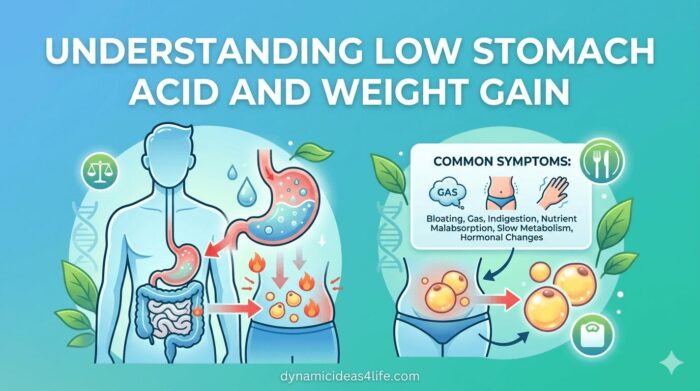
Understanding Low Stomach Acid and Weight Gain
When people think about weight gain, they usually blame calories, lack of exercise, or hormones.
But what if the real issue starts much deeper—in your digestion?
The connection between low stomach acid and weight gain is often overlooked, yet it can play a significant role in how your body processes food, absorbs nutrients, and regulates metabolism.
Low stomach acid, also known as hypochlorhydria, doesn’t just cause bloating or indigestion. Over time, it can lead to poor nutrient absorption, increased hunger, and even changes in gut bacteria—all of which may contribute to unwanted weight gain.
In this guide, we’ll break down how low stomach acid affects your body, why it may be making it harder to manage your weight, and what you can do to fix it.
*Please note: This article contains affiliate links. If you choose to purchase through them, I may earn a commission at no extra cost to you. I only share products I believe may be helpful based on research and user experience.
Any questions please contact me at chivs86@dynamicideas4life.com
⚡ Quick Summary (For Busy Readers)
If you think low stomach acid is only about digestion, think again…
👉 It may also be quietly contributing to bloating, nutrient deficiencies, and even weight gain
✔️ Low stomach acid (hypochlorhydria) can impair digestion
✔️ Poor nutrient absorption may trigger increased hunger + cravings
✔️ Gut imbalance and slow digestion can affect metabolism
✔️ Many people mistake it for high stomach acid and treat it incorrectly
💡 The result?
You could be eating well but still struggling with weight and digestion
💊 Support Your Digestion (My Recommendation)
If you suspect low stomach acid is an issue, one of the most effective ways to support digestion is by using a high-quality digestive support supplement.
I recommend checking out HCL Breakthrough by BiOptimizers 👇
✔️ Designed to support healthy stomach acid levels
✔️ Helps improve protein digestion and nutrient absorption
✔️ Includes additional digestive support compounds
✔️ Backed by a well-known, trusted supplement brand
👉 You can check it out below (10% discount at checkout with my code 13586)
💡 This is especially useful if you experience bloating, heaviness after meals, or low energy after eating.
What Is Low Stomach Acid?
Low stomach acid (hypochlorhydria) occurs when the stomach doesn’t produce enough acid to properly break down food.
This acid plays a critical role in digestion by:
- Breaking down proteins
- Activating digestive enzymes
- Helping absorb key nutrients like vitamin B12, iron, and magnesium
- Protecting against harmful bacteria and pathogens
Without enough stomach acid, digestion becomes inefficient—and that’s where problems begin.
Common Symptoms of Low Stomach Acid
One of the biggest challenges with hypochlorhydria is that it often looks like the opposite problem.
Common symptoms include:
- Bloating after meals
- Indigestion or discomfort
- Heartburn (yes—even with low acid)
- Excess gas or belching
- Feeling overly full after eating small amounts
Over time, more serious signs may develop, such as:
- Fatigue
- Nutrient deficiencies (especially B12 and iron)
- Weak nails or hair thinning
- Increased susceptibility to infections
What Causes Low Stomach Acid?
Several factors can reduce stomach acid production, including:
- Ageing (natural decline over time)
- Long-term use of acid-suppressing medications
- H. pylori infections
- Chronic stress
- Poor diet (high in processed foods)
- Zinc deficiency (important for acid production)
These factors can gradually impair digestion without you even realising it.
Can Low Stomach Acid Cause Weight Gain?
At first glance, weight gain might seem unrelated to stomach acid levels—but there are several indirect mechanisms that connect the two.
1. Poor Digestion = Poor Nutrient Absorption
When food isn’t properly broken down, your body struggles to absorb nutrients efficiently.
This can lead to:
- Nutrient deficiencies
- Lower energy levels
- Reduced metabolic efficiency
Your body may then trigger hunger signals, encouraging you to eat more in an attempt to compensate.
2. Increased Hunger and Cravings
If your body isn’t getting the nutrients it needs, it often responds by:
- Increasing appetite
- Craving calorie-dense foods
- Encouraging frequent snacking
Over time, this can easily lead to calorie surplus and weight gain.
3. Slower Digestion and Metabolism
Low stomach acid can slow down digestion, meaning food sits in the stomach longer.
This may:
- Reduce calorie-burning efficiency
- Lead to bloating and water retention (edema)
- Disrupt normal metabolic processes
4. Gut Imbalance (Microbiome Disruption)
Stomach acid helps control harmful bacteria.
When levels are too low:
- Undigested food ferments in the gut
- Bacterial overgrowth may occur
- Inflammation and metabolic disruption can follow
A disrupted gut microbiome has been linked to weight gain and poor metabolic health.
What Does the Research Say?
Current research suggests a possible indirect link between low stomach acid and weight gain—but it’s not a direct cause.
Studies have shown:
- Slower gastric emptying in people with low stomach acid
- Higher rates of vitamin B12 deficiency, which can impact metabolism
- Potential links between gut bacteria imbalance and weight regulation
However, it’s important to be realistic:
👉 Weight gain is multifactorial
👉 Diet, lifestyle, hormones, and genetics all play a role
Low stomach acid is just one piece of the puzzle—but it’s often overlooked.
How to Support Healthy Stomach Acid Levels
If you suspect low stomach acid may be affecting you, there are several strategies that may help.
Dietary Approaches
- Eat whole, unprocessed foods
- Include protein-rich meals to stimulate acid production
- Add fermented foods (like sauerkraut or kefir)
- Ensure adequate zinc intake (meat, shellfish, seeds)
Simple Natural Strategies
Some people find benefit from:
- Apple cider vinegar before meals
- Bitter foods (like rocket or dandelion greens)
- Eating slowly and chewing thoroughly
These can help support the digestive process naturally.
Lifestyle Habits That Matter
- Reduce chronic stress
- Avoid overeating
- Stay physically active
- Limit alcohol and ultra-processed foods
Even small changes here can improve digestion significantly.
When to Seek Medical Advice
It’s important not to self-diagnose.
If you’re experiencing ongoing symptoms such as:
- Persistent bloating
- Unexplained weight gain
- Nutrient deficiencies
- Chronic digestive discomfort
…it’s worth speaking to a healthcare professional.
They can help rule out underlying conditions and guide appropriate treatment.
Related FAQs
What are the main symptoms of low stomach acid?
Common symptoms include bloating, indigestion, gas, and heartburn. More advanced signs include fatigue, nutrient deficiencies (especially B12 and iron), and frequent digestive discomfort.
Can low stomach acid really cause weight gain?
Not directly—but it can contribute. Poor digestion and nutrient absorption may lead to increased hunger, cravings, and a slower metabolism, which can all contribute to weight gain over time.
Why does low stomach acid feel like high stomach acid?
Because the symptoms overlap. When food isn’t properly digested, it can ferment in the stomach and produce gas and pressure—leading to reflux-like symptoms often mistaken for excess acid.
What causes low stomach acid?
Common causes include ageing, chronic stress, poor diet, zinc deficiency, certain medications (like PPIs), and infections such as H. pylori.
How can I increase stomach acid naturally?
You can support stomach acid by:
– Eating slowly and chewing thoroughly
– Including protein-rich meals
– Adding fermented foods to your diet
– Using apple cider vinegar before meals
– Ensuring adequate zinc intake
Should I take supplements for low stomach acid?
In some cases, yes. Supplements like HCL Breakthrough can help support digestion and stomach acid levels—but it’s best to use them alongside a healthy diet and lifestyle.
Final Thoughts
Low stomach acid doesn’t directly cause weight gain—but it can create the conditions that make it more likely.
From poor digestion and nutrient deficiencies to gut imbalance and increased hunger, the effects can quietly build over time.
The good news?
By improving digestion and supporting healthy stomach acid levels, you may also:
- Enhance nutrient absorption
- Improve gut health
- Support a healthier metabolism
And ultimately… make managing your weight much easier.



Fix Your Energy, Sleep and Nutrition Today 🛠
Get our 20-Step Healthy Living eBook, Daily Health Planner and our other bonuses sent to your inbox instantly. Start your journey with 7 days of exclusive gifts and expert tips to stay fit throughout 2026.
Disclaimer: We hate spam too. Unsubscribe anytime.
Anxiety and Depression are you magnesium deficient BiOptimizers blood pressure supplements blood sugar control blood sugar support supplements digestive enzymes Digestive Enzymes Supplement Digestive Health digital products Dr Sam Robbins Gut Health Gut Health While Travelling Health Tips for Travelling Healthy Living heart health HFL hypomagnesia insulin resistance joint health supplement keto dieting Keto Diet Weight Loss leaky gut supplements list Low Stomach Acid magnesium Magnesium deficiency Matt Gallant mental health multivitamins Nootopia Nootropics Probiotics Probiotic Supplements reverse type 2 diabetes stress and anxiety stress relief Supplements vitapost Wade Lightheart weight loss articles weight loss diet plans weight loss product reviews weight loss supplements weight loss tea
About Author