
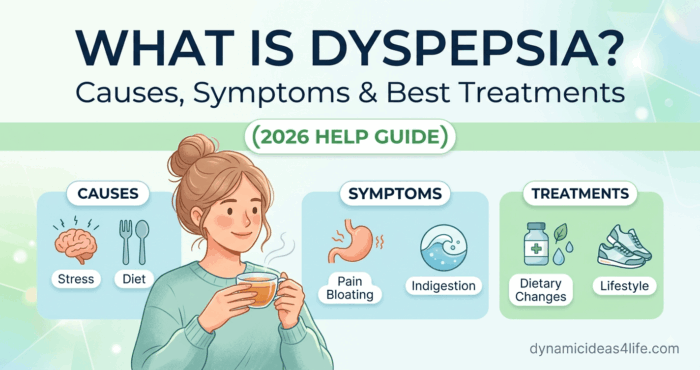
What Is Dyspepsia (Indigestion)? Causes, Symptoms & Best Treatments (2026 Help Guide)
What is Dyspepsia? – Have you heard of this condition before? Perhaps you’ve been to the doctor and received this diagnosis for your stomach troubles. But what exactly does it mean, and do you need to seek treatment?
Well, firstly, – let’s clear something up: despite the complex name, this condition is far from rare. Dyspepsia is simply the medical term for indigestion, a very common ailment. Many of you reading this have likely suffered from it yourself or know someone who has.
It’s as common as a cold. However, what many people don’t realize is that Dyspepsia is a specific digestive disorder often linked to low levels of the digestive enzyme pepsin, but also caused by other factors such as H. Pylori Infection and GERD.
It is characterized by symptoms like abdominal pain, bloating, and nausea. The impact can take a significant toll on your quality of life, causing discomfort that interferes with daily activities. For those affected, finding relief is often a top priority.
It’s surely why having an understanding of what causes it, the actual symptoms, and what treatment options are available is so important. I am no Doctor but I would just like to try and make this clear – if you would like to learn more about exactly this then this is exactly what this health guide is for.
*Please note: This article contains affiliate links. If you choose to purchase through them, I may earn a commission at no extra cost to you. I only share products I believe may be helpful based on research and user experience.
Any questions please contact me at chivs86@dynamicideas4life.com

Fix Your Energy, Sleep and Nutrition Today 🛠
Get our 20-Step Healthy Living eBook, Daily Health Planner and our other bonuses sent to your inbox instantly. Start your journey with 7 days of exclusive gifts and expert tips to stay fit throughout 2026.
Disclaimer: We hate spam too. Unsubscribe anytime.
Quick Summary of This Article
Key Takeaways
- Dyspepsia is a common digestive disorder that causes a burning sensation in the stomach.
- Lifestyle factors such as diet, stress, and smoking can contribute to Dyspepsia, as well as medical conditions like GERD and ulcers.
- Avoiding trigger foods like spicy and fatty foods, hard to breakdown proteins and eating smaller, more frequent meals can help manage Dyspepsia symptoms.
- Stress Management Techniques like Meditation and Exercise may also improve Digestion and reduce Dyspepsia symptoms.
- Treatment options for Dyspepsia include medications, lifestyle changes, and natural remedies
I shall go over all of this more soon but for now let’s continue.
Understanding What Causes Dyspepsia
Several factors contribute to dyspepsia (indigestion), primarily by disrupting the body’s regulation of pepsin, the enzyme responsible for breaking down proteins.
Dietary choices play a major role. Consuming spicy or fatty foods can irritate the stomach lining, signaling the body to alter its enzymatic output. This irritation often triggers an overproduction of pepsin as the stomach attempts to compensate for the difficult-to-digest food, leading to an excess of active enzyme that can damage the lining if not neutralized.
Stress is another critical factor. High stress levels trigger the release of cortisol, which creates a hormonal imbalance. This imbalance can suppress the normal signalling for pepsin production or, conversely, cause erratic spikes in enzyme secretion. When pepsin levels are unregulated, it leads to improper digestion and the burning sensation associated with indigestion.
About Gastroesophageal reflux disease (GERD) and Peptic Ulcers
GERD is something that also directly impacts pepsin dynamics. In GERD, stomach acid flows back into the esophagus, carrying pepsin with it. Because the esophagus lacks the protective lining of the stomach, this “escaped” pepsin becomes highly active in the wrong environment, causing tissue damage and chronic inflammation.
Finally, peptic ulcers—open sores on the stomach or intestinal lining—often result from an imbalance where pepsin and acid erode the mucosal defense, preventing proper healing and perpetuating dyspepsia symptoms.
h. Pylori Infection and Dyspepsia
A common bacterial infection caused by Helicobacter pylori (H. pylori) is a leading cause of dyspepsia. This bacterium can inflame the stomach lining (gastritis) or create open sores (peptic ulcers), leading to symptoms like upper abdominal pain, bloating, and early fullness after eating.
Unlike other forms of indigestion, H. pylori is treatable. Doctors often test for the bacteria through breath, blood, or stool samples. If detected, a course of antibiotics combined with acid-reducing medication can usually eradicate the infection and resolve the dyspeptic symptoms.
If you have persistent indigestion, asking your healthcare provider about H. pylori testing is a recommended step.
The Role of Diet in Dyspepsia: The Good and Bad
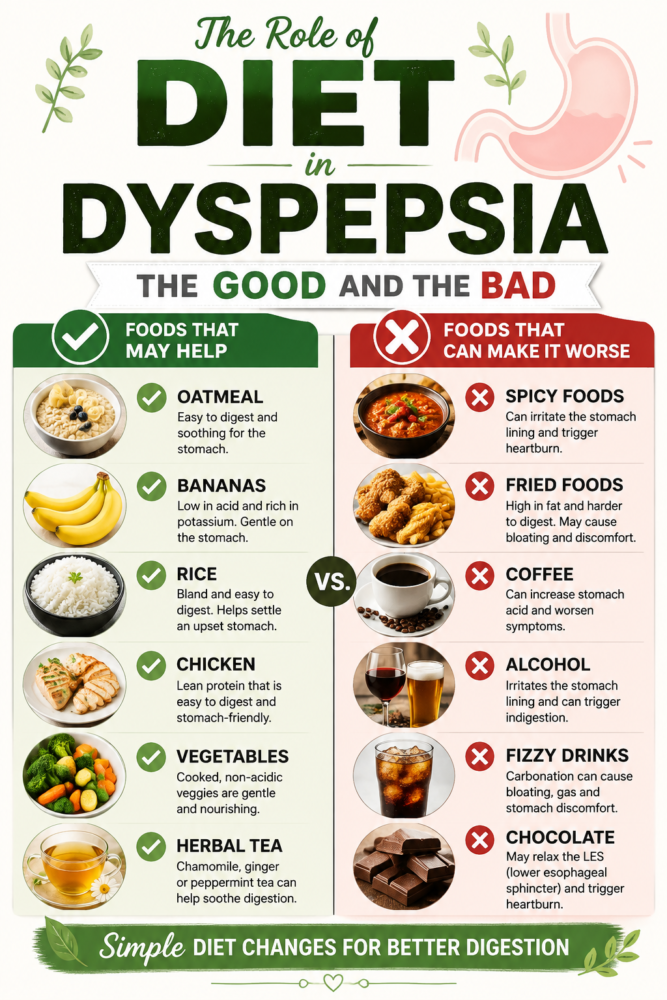
Diet plays a crucial role in managing Dyspepsia symptoms. Certain foods can trigger or worsen indigestion, while others may help alleviate symptoms.
- Spicy foods,
- Fatty foods,
- Caffeine, and
- Alcohol
These are all known to be common triggers for Dyspepsia symptoms.
Gluten and Casein (wheat and dairy) are also worthy of a mention. As are highly processed (junk foods) and refined sugar.
It is advisable to avoid these foods or consume them in moderation to reduce the risk of experiencing discomfort.
Recommended Diet for Dyspepsia
On the other hand, there are foods that may help alleviate symptoms of Dyspepsia. Ginger, for example, has been used for centuries as a natural remedy for indigestion.
It has anti-inflammatory properties that can soothe the stomach and reduce inflammation. Probiotics, which are beneficial bacteria found in certain foods like yogurt and sauerkraut, can also promote healthy digestion and reduce symptoms of Dyspepsia.
Incorporating these foods into your diet may provide relief from indigestion.
>>>Read More About Our Recommended Probiotics HERE<<
Symptoms of Dyspepsia: How to Recognize the Burning Sensation in Your Stomach
| Symptom | What It May Feel Like |
|---|---|
| Upper Abdominal Pain | Aching, discomfort or pain in the upper part of the stomach, ranging from mild to more noticeable. |
| Burning Sensation | A burning or uncomfortable feeling in the upper abdomen, sometimes occurring after eating. |
| Bloating | Feeling swollen, tight or uncomfortably full around the stomach. |
| Early Satiety | Feeling full much sooner than expected, even after eating only a small amount of food. |
| Post-Meal Fullness | An uncomfortable feeling of fullness that lasts longer than expected after eating. |
| Belching | Frequent burping that may occur alongside other digestive symptoms. |
| Nausea | Feeling sick or unsettled in the stomach, particularly around mealtimes. |
Recognizing the symptoms of Dyspepsia is essential in order to seek appropriate treatment and management strategies.
The most common symptom of Dyspepsia is a burning sensation or discomfort in the upper abdomen. This pain can range from mild to severe and may be accompanied by bloating, belching, and nausea.
Some individuals may also experience a feeling of fullness or early satiety, even after consuming small amounts of food.
Overall, Things To Take Into Consideration
In hindsight, It is important to differentiate Dyspepsia from other digestive disorders. Especially, since the symptoms can sometimes overlap. For example, gastroesophageal reflux disease (GERD) can cause similar symptoms such as heartburn and regurgitation.
However, Dyspepsia is characterized by pain or discomfort in the upper abdomen, while GERD primarily affects the lower chest area.
Consulting with a healthcare professional is recommended if you are unsure about your symptoms or if they persist despite lifestyle changes.
The Link Between Stress and Dyspepsia
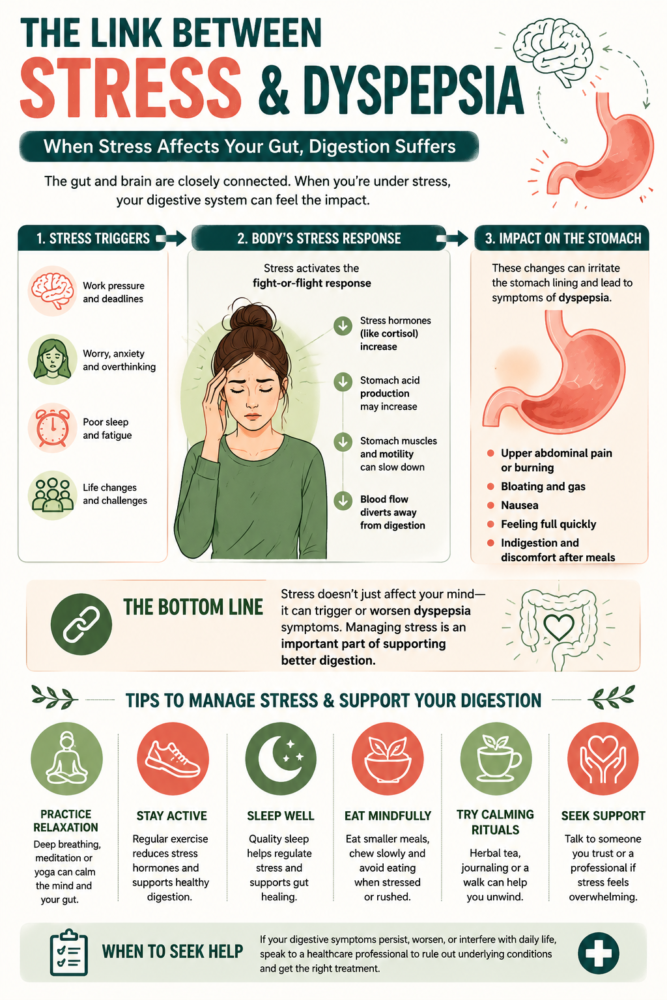
Here is another very important aspect of this topic –Stress can have a a significant impact on digestive health and can also exacerbate symptoms of Dyspepsia.
When we are stressed, our body releases stress hormones that can disrupt the normal functioning of the digestive system. This can lead to symptoms such as abdominal pain, bloating, and changes in bowel movements.
Managing Stress is crucial in improving digestion and reducing symptoms of Dyspepsia. There are various strategies that can help individuals cope with stress and promote better digestive health.
Relaxation techniques such as deep breathing exercises, meditation, and yoga can help reduce stress levels and promote relaxation.
Regular exercise has also been shown to have a positive impact on both mental and digestive health.
Engaging in activities that you enjoy, such as hobbies or spending time with loved ones, can also help alleviate stress and improve overall well-being.
Diagnosis of Dyspepsia: Tests and Exams
If you are experiencing persistent or severe symptoms of Dyspepsia, it is important to seek medical attention for a proper diagnosis. A healthcare professional will typically begin by taking a detailed medical history and conducting a physical examination.
They may also recommend certain diagnostic tests and exams to identify the underlying cause of your Dyspepsia.
Endoscopy is a common procedure used to visualize the upper digestive tract and identify any abnormalities or Inflammation.
During this procedure, a thin, flexible tube with a camera on the end is inserted through the mouth and into the Esophagus, stomach, and small intestine. This allows the healthcare professional to examine the lining of these organs and take biopsies if necessary.
Blood tests may also be conducted to check for any signs of infection or Inflammation. These tests can help rule out certain medical conditions that may be causing dyspepsia symptoms.
Additionally, other imaging tests such as ultrasound or CT scan may be recommended in certain cases to further evaluate the digestive system.
Treatment Options for Dyspepsia: Medications, Lifestyle Changes, and Natural Remedies
The treatment of Dyspepsia depends on the underlying cause and severity of symptoms. In many cases, a combination of medications, lifestyle changes, and natural remedies is recommended to manage Dyspepsia effectively.
Medications commonly used to treat Dyspepsia include antacids, which help neutralize stomach acid and provide temporary relief from symptoms.
Proton pump inhibitors (PPIs) are another class of medications that reduce the production of stomach acid and can provide long-term relief.
Also, H2 blockers, which also reduce stomach acid production, may be prescribed in certain cases.
Low Stomach Acid and Dyspepsia
Another aspect of this condition that has really interested me is the idea of low stomach acid, otherwise known as hypochlorhydria.
We often associate indigestion, heartburn and upper abdominal discomfort with having too much stomach acid. However, low levels of hydrochloric acid (HCl) can also interfere with normal digestion and may produce some similar digestive symptoms.
This is particularly interesting because medications such as PPIs and H2 blockers work by reducing stomach acid production. These medications can be extremely useful when appropriately prescribed, but prolonged acid suppression can sometimes result in very low stomach acid levels.
Stomach acid plays an important role in breaking down food, absorbing certain nutrients and protecting against harmful microorganisms. So, while low stomach acid shouldn’t be assumed to be the cause of dyspepsia, it’s another possible factor worth understanding — particularly when symptoms are persistent.
Low Stomach Acid vs High Stomach Acid
| Low Stomach Acid (Hypochlorhydria) | High/Excess Acid-Related Problems |
|---|---|
| Insufficient stomach acid for optimal digestion | Acid irritating the stomach or travelling into the oesophagus |
| May contribute to bloating or discomfort after eating | May cause burning pain, heartburn or acid reflux |
| Can be associated with feeling overly full after meals | Symptoms may become worse after certain foods or when lying down |
| May affect the absorption of nutrients such as vitamin B12, iron and calcium | Can contribute to irritation or damage when acid reaches tissues not designed to tolerate it |
| Risk may increase with age and prolonged use of acid-suppressing medication | GERD and peptic ulcer disease are examples of conditions in which acid suppression may be used |
| Symptoms alone cannot reliably diagnose low stomach acid | Symptoms alone don’t necessarily tell you how much acid your stomach produces |
The important thing to remember is that the symptoms can overlap. Bloating, indigestion, nausea and abdominal discomfort don’t automatically mean you have too much — or too little — stomach acid. This is why persistent dyspepsia is worth discussing with a healthcare professional rather than trying to diagnose stomach acid levels from symptoms alone.
Does Dyspepsia Go Away? Prognosis and Long-Term Outlook
For many people, dyspepsia comes and goes, and the long-term outlook will largely depend on what is causing the symptoms in the first place.
If there is an identifiable underlying cause, treating it may significantly improve or even resolve the indigestion. For example, someone who tests positive for Helicobacter pylori (H. pylori) may find their symptoms improve after the infection has been successfully eradicated.
Likewise, if a particular medication is contributing to dyspepsia, a doctor may be able to recommend an alternative or adjust how it is being used.
However, things can be a little more complicated with functional dyspepsia. This is where someone experiences ongoing or recurring symptoms despite tests not revealing an obvious structural problem that fully explains them.
Functional dyspepsia can therefore be a longer-term condition, with periods when symptoms improve followed by occasional flare-ups.
The good news is that there are several ways symptoms can potentially be managed, including dietary changes, identifying personal triggers, stress management and, where appropriate, medication.
Can Dyspepsia Cause Complications?
Dyspepsia itself does not usually cause serious complications. However, this is different from saying that the conditions responsible for dyspepsia cannot cause complications.
For example, peptic ulcers associated with H. pylori infection or the use of nonsteroidal anti-inflammatory drugs (NSAIDs) can sometimes cause gastrointestinal bleeding.
This is one reason why persistent indigestion shouldn’t simply be ignored, particularly if your symptoms are changing, becoming more severe or accompanied by other unusual symptoms.
When Should You See a Doctor About Dyspepsia?
Certainly, occasional indigestion is extremely common. In most cases this doesn’t necessarily indicate that anything serious is wrong.
Although, if you are experiencing persistent or frequently recurring dyspepsia, it is worth speaking to a healthcare professional to investigate what might be causing it.
You should also seek medical advice if dyspepsia occurs alongside symptoms such as:
- Unexplained weight loss
- Difficulty or pain when swallowing
- Persistent vomiting
- Vomiting blood
- Black or tarry stools
- Severe or worsening abdominal pain
- Signs of gastrointestinal bleeding
- Unexplained anaemia
- A significant loss of appetite
Another important thing to be aware of is that what feels like severe indigestion can occasionally have a cause outside of the digestive system.
Sudden chest or upper-abdominal discomfort accompanied by symptoms such as shortness of breath, sweating, dizziness, or pain spreading into the arm, jaw or back requires urgent medical attention.
Ultimately, you know when something doesn’t feel normal for you. If your digestive symptoms persist or you’re concerned about them, getting them properly assessed is preferable to continually trying to manage them yourself.
Can Dyspepsia Be Prevented?
Of course many people will not look to treat a condition like dyspepsia until they actually have it, but this is an interesting question – Is dyspepsia preventable? For anyone wondering – it depends on the cause, particularly when there is an underlying medical condition involved.
However, there are a number of things you can do that may reduce the frequency or severity of symptoms.
One of the most useful places to start is identifying your personal food and drink triggers.
Commonly reported triggers include:
- Fatty or fried foods
- Very spicy foods
- Alcohol
- Coffee and other caffeinated drinks
- Fizzy drinks
- Chocolate
- Very large meals
However, this doesn’t mean everyone with dyspepsia needs to avoid all of these foods.
If coffee doesn’t bother your stomach, for example, there may be little reason to remove it simply because it appears on a list of common indigestion triggers.
Keeping a simple food and symptom diary for a couple of weeks may help reveal patterns you hadn’t previously noticed.
Meal size and eating habits can also make a difference.
Instead of eating one enormous meal, some people find that smaller meals eaten more regularly are easier to tolerate.
Other simple habits worth trying include:
- Eating slowly
- Chewing food thoroughly
- Avoiding very large meals
- Not lying down immediately after eating
- Leaving some time between your evening meal and going to bed
Maintaining a healthy weight, exercising regularly, getting enough sleep and managing stress may also support digestive health.
As discussed earlier in this article, the relationship between the brain and digestive system is surprisingly complex, which means emotional stress can sometimes have very physical digestive consequences.
Dyspepsia in Children and During Pregnancy
Although dyspepsia is often discussed in relation to adults, children can experience indigestion and upper digestive symptoms too.
Symptoms may include upper abdominal discomfort, nausea, bloating, reduced appetite or feeling unusually full after eating.
Because abdominal pain in children can have many different causes, persistent, severe or recurring symptoms should be discussed with a paediatrician or other appropriate healthcare professional rather than simply assuming dyspepsia is responsible.
Dyspepsia During Pregnancy
Indigestion and heartburn are also common during pregnancy.
Hormonal changes can affect the digestive system, while the growing baby can place increasing pressure on the stomach as pregnancy progresses.
Some simple measures that may help include:
- Eating smaller meals
- Eating slowly
- Identifying foods that trigger symptoms
- Avoiding lying down immediately after meals
- Sleeping with the head and upper body slightly elevated if symptoms occur at night
Medication during pregnancy requires additional consideration. If symptoms are troublesome, speak with a doctor, pharmacist, midwife or other appropriate healthcare professional about treatments that are suitable during pregnancy.
Living With Functional Dyspepsia
One of the more frustrating situations can be experiencing ongoing digestive symptoms only to undergo tests and be told that no obvious structural problem has been found.
This can happen with functional dyspepsia.
Importantly, this doesn’t mean the symptoms aren’t real.
Rather, functional dyspepsia is thought to involve several possible mechanisms, including altered stomach movement, increased sensitivity within the digestive tract and changes in communication along the gut-brain axis.
This may help explain why stress and anxiety can make symptoms noticeably worse for some people.
Managing functional dyspepsia can sometimes require a little trial and error.
It may help to keep track of:
- What you eat
- Meal sizes
- When symptoms occur
- Stress levels
- Sleep
- Alcohol and caffeine consumption
- Any medications or supplements you take
Over time, you may begin to notice patterns.
Perhaps symptoms appear after particularly large meals. Maybe they become worse during stressful periods, or perhaps one particular food repeatedly causes problems.
This information can also be useful if you subsequently speak with a doctor, gastroenterologist or dietitian.
The objective isn’t necessarily to create an increasingly restrictive diet. Rather, it is to understand your individual triggers while still maintaining a varied and nutritionally balanced diet.
Related FAQs
Is Dyspepsia the Same as Indigestion?
Dyspepsia is the medical term commonly used to describe a collection of symptoms generally associated with indigestion. These can include upper abdominal pain or burning, uncomfortable fullness after eating and feeling full unusually quickly.
What Is Functional Dyspepsia?
Functional dyspepsia refers to recurring or persistent dyspeptic symptoms where routine investigation does not identify a structural disease that adequately explains them.
It is still a genuine digestive condition and may involve changes in stomach function, digestive sensitivity and gut-brain communication.
How Long Can Dyspepsia Last?
This depends on the cause.
Occasional indigestion may disappear relatively quickly, while dyspepsia associated with an underlying condition may continue until that problem is addressed.
Functional dyspepsia can be chronic or recurring, although the severity of symptoms may fluctuate over time.
Can Stress Cause Dyspepsia?
Stress doesn’t necessarily mean there is anything physically wrong with the stomach, but it can influence digestive function through the gut-brain connection.
For some people, periods of increased stress coincide with worsening bloating, nausea, abdominal discomfort or feelings of fullness.
Can Low Stomach Acid Cause Dyspepsia?
Low stomach acid, known as hypochlorhydria, can interfere with normal digestion and may be associated with symptoms that overlap with dyspepsia.
However, symptoms alone cannot tell you whether you have too much or too little stomach acid, and low stomach acid shouldn’t automatically be assumed to be the cause of indigestion.
What Foods Make Dyspepsia Worse?
There isn’t one universal dyspepsia diet.
Fatty foods, fried foods, spicy meals, alcohol, caffeine and large meals are commonly reported triggers, but individual responses vary considerably.
Identifying foods that consistently trigger your own symptoms is generally more useful than unnecessarily eliminating large numbers of foods.
Can H. Pylori Cause Dyspepsia?
Yes. Helicobacter pylori can infect the stomach lining and is associated with gastritis and peptic ulcer disease, both of which may cause dyspeptic symptoms.
Testing and treatment may therefore be appropriate for certain people with persistent dyspepsia.
Is Dyspepsia the Same as Acid Reflux?
No. Dyspepsia generally refers to symptoms centred around the upper abdomen, including pain, burning, uncomfortable fullness and early satiety.
Acid reflux occurs when stomach contents travel back into the oesophagus and commonly causes heartburn or regurgitation.
It is possible, however, for someone to experience both.
When Should I Worry About Dyspepsia?
Persistent, worsening or unusual symptoms should be discussed with a healthcare professional.
Symptoms such as unexplained weight loss, difficulty swallowing, persistent vomiting, gastrointestinal bleeding, black stools or severe abdominal pain warrant medical assessment.
Final Thoughts
Lastly, I shall finish up this blog post here, but hopefully I’ve managed to clear up some of the confusion surrounding dyspepsia and what might actually be causing it.
One thing that became increasingly obvious to me while looking into this topic is that indigestion isn’t always as straightforward as simply having “too much stomach acid”.
There can be a number of things going on.
Diet can play a role. Stress can play a role. Then there are things such as H. pylori, medications, peptic ulcers, acid reflux and functional dyspepsia to consider.
And, as I discussed earlier, even the amount of acid in the stomach isn’t necessarily as straightforward as it first appears.
If your symptoms are only occasional, identifying your personal triggers and making a few changes to what, when and how you eat may make a noticeable difference.
However, persistent indigestion shouldn’t simply become something you learn to live with.
If symptoms keep returning, become worse or you experience any of the warning signs discussed above, speak with a healthcare professional and find out what may actually be causing them.
There may be a relatively simple explanation — and knowing what you’re dealing with puts you in a much better position to do something about it.
Thanks for reading, and if you’d like to learn more, you can find some of my other digestive health guides below.
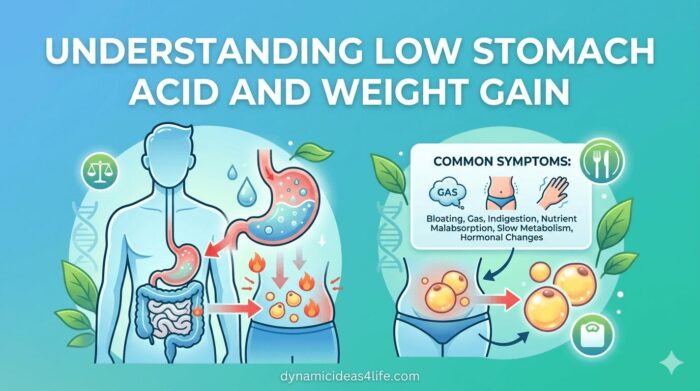
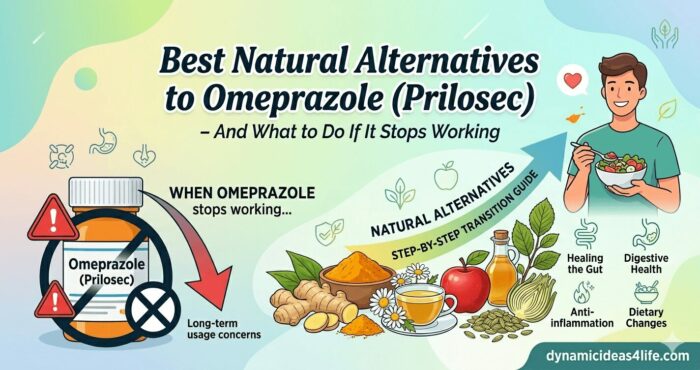
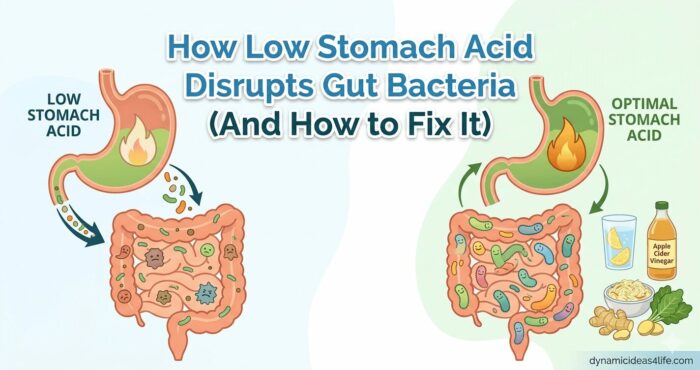
Best Natural Alternatives to Omeprazole (Prilosec) – And What to Do If It Stops Working (2026 Guide)




Anxiety and Depression are you magnesium deficient BiOptimizers blood pressure supplements blood sugar control blood sugar support supplements digestive enzymes Digestive Enzymes Supplement Digestive Health digital products Dr Sam Robbins Gut Health Gut Health While Travelling Health Tips for Travelling Healthy Living heart health HFL hypomagnesia insulin resistance joint health supplement keto dieting Keto Diet Weight Loss leaky gut supplements list Low Stomach Acid magnesium Magnesium deficiency Matt Gallant mental health multivitamins Nootopia Nootropics Probiotics Probiotic Supplements reverse type 2 diabetes stress and anxiety stress relief Supplements vitapost Wade Lightheart weight loss articles weight loss diet plans weight loss product reviews weight loss supplements weight loss tea
Fix Your Energy, Sleep and Nutrition Today 🛠
Get our 20-Step Healthy Living eBook, Daily Health Planner and our other bonuses sent to your inbox instantly. Start your journey with 7 days of exclusive gifts and expert tips to stay fit throughout 2026.
Disclaimer: We hate spam too. Unsubscribe anytime.
About Author



Your dedication to your niche is evident.
Thank you
I find it incomprehensible that you are not more popular than you already are, given your intelligence. I was able to look at this topic from a number of angles because of your depth of knowledge. It appears that until a conversation turns to Woman gaga, neither men nor women seem to be really interested in things related to women. Continue your fantastic work.
Wonderful rhythm! I’m keen on becoming an apprentice to enhance my website skills. Could you please guide me on how to register for your blog site? Your account has proven to be incredibly beneficial for me. Your latest post has provided me with a crystal-clear and inspiring insight, and I’m genuinely excited to delve further into your content. By the way I am a vlogger @ 5 Healthy Habits that Changed my Life Forever.
My brother recommended I might like this web site He was totally right This post actually made my day You cannt imagine just how much time I had spent for this information Thanks
Thank you glad to help.
You have been working hard, and you’ve created beautiful things. The visual presentation is elegant, and the written content is top-notch. Despite the fact that you appear concerned about the possibility of delivering something that may be considered questionable, I believe that you will be able to resolve this problem quickly.
OK thank you for your input.