
What Causes Bladder Leakage? (And Can Pelvic Floor Training Help?)
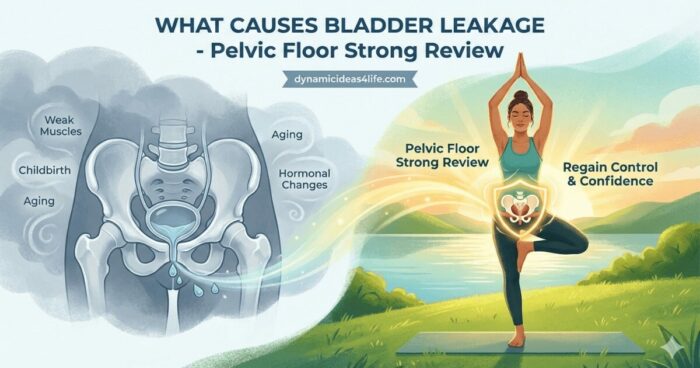
What Causes Bladder Leakage? — also known as urinary incontinence — this is far more common than most people might realise. It affects women and men of different ages and can range from occasional small leaks to more frequent loss of bladder control.
For many people, it’s an uncomfortable topic that often gets ignored. Many people sweep this under the rug without taking it serious enough to understand why this happening.
This is where it is very important. Taking the first steps toward improving bladder control can make a noticeable difference, and while some causes will require medical attention there is one common cause that definitely should be highlighted –
Weak pelvic floor muscles — the group of muscles responsible for supporting the bladder – are a lot of the time responsible for What Causes Bladder Leakage, and in this blog post this is going to be one of the main thing we are going to address.
What Is Bladder Leakage?
Bladder leakage happens when urine escapes unintentionally. This can occur during activities like;
- coughing,
- laughing,
- exercising, or
- when a sudden urge to urinate comes on quickly.
It’s not simply “a normal part of aging” — it’s usually a sign that something in the bladder support or control system needs attention.
Common Factors Linked to Bladder Leakage
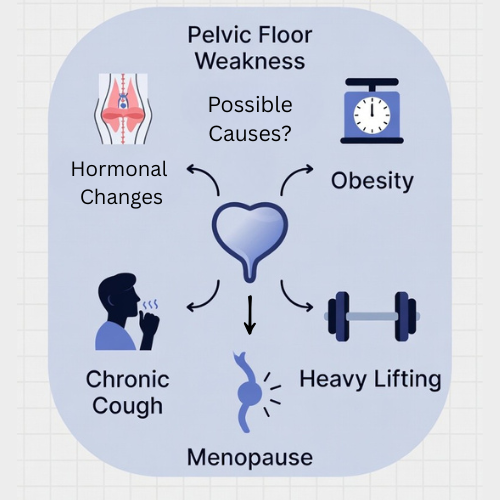
Bladder leakage can have multiple contributing factors. Some of the most common include:
🔹 Weak Pelvic Floor Muscles
These muscles act like a supportive sling for the bladder. When they weaken, bladder control can decrease — especially during movement or pressure (like sneezing or lifting).
🔹 Pregnancy & Childbirth
Pregnancy places pressure on pelvic muscles, and vaginal delivery can stretch or strain them.
🔹 Aging
Muscle tone naturally declines over time, including in the pelvic region.
🔹 Menopause
Hormonal changes may affect tissue strength and bladder support.
🔹 Prostate Surgery (Men)
Procedures involving the prostate can temporarily affect bladder control.
🔹 Obesity
Extra body weight increases pressure on the bladder and pelvic floor.
🔹 Chronic Coughing or Heavy Lifting
Repeated pressure over time can weaken muscle support.
⚠️ Important Note
Bladder leakage is not always caused by muscle weakness. Urinary tract infections, nerve conditions, medications, or other medical issues may also play a role. Persistent, painful, or worsening symptoms should always be discussed with a healthcare professional.
Why Pelvic Floor Strength Matters
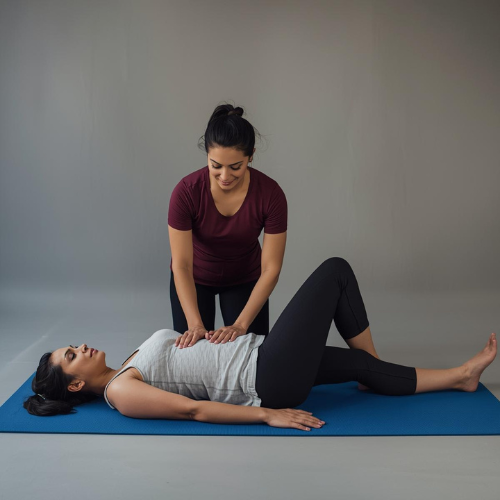
Your pelvic floor muscles help control the release of urine. If these muscles are not working efficiently, leaks are more likely — especially during movement or sudden pressure.
Strengthening these muscles is a common non-invasive strategy used to support bladder control. However, many people:
- Don’t know where the muscles are
- Perform exercises incorrectly
- Give up because they don’t see results
That’s where structured guidance can make a difference.
General Strategies That May Support Bladder Control

Bladder control often improves with a combination of lifestyle adjustments and muscle training. Common approaches include:
- Pelvic floor muscle exercises
- Maintaining a healthy weight
- Bladder training (gradually increasing time between bathroom visits)
- Reducing caffeine and alcohol
- Managing constipation
Programs focused on pelvic floor training aim to address the muscle-strengthening side of this process.
What Is Diastus Recti
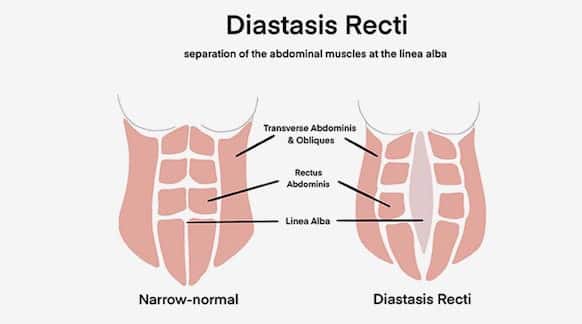
Diastasis recti is a separation of the left and right abdominal muscles that commonly occurs during pregnancy as the body makes room for a growing baby. This separation happens along the connective tissue in the center of the abdomen (the linea alba).
While it’s most often associated with postpartum recovery, it can also occur in men and women due to rapid weight changes, improper heavy lifting, or long-term pressure on the abdominal wall.
When the abdominal muscles separate, the core can become less stable. The core muscles and pelvic floor muscles work together as a support system for the bladder, spine, and internal organs. If this system weakens, it may contribute to reduced support and coordination in the pelvic region.
What Are Pelvic Floor Exercises?
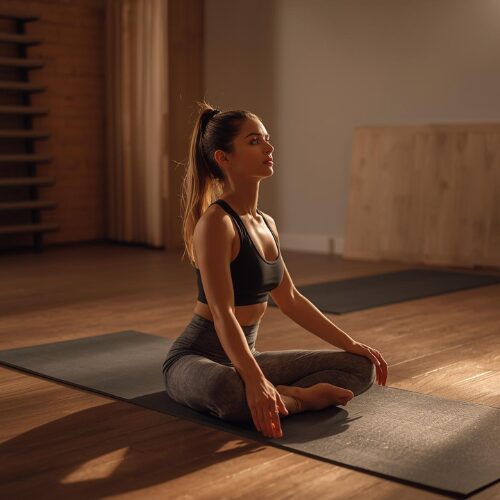
Pelvic floor exercises are movements designed to strengthen the muscles that support the bladder, bowel, and core. These muscles help control the release of urine and are often engaged subconsciously in daily life.
When these muscles weaken, bladder control can become more difficult — especially during activities like coughing, sneezing, laughing, or exercise.
Although basic pelvic floor exercises can be found online, many people struggle to identify the correct muscles or perform movements effectively.
Structured guidance can help ensure proper engagement and consistency.
What’s Included in Bladder Floor Strong?

Bladder Floor Strong is a digital exercise program focused on guided pelvic floor and core strengthening. The program is delivered through video instruction and includes written companion materials.
The training covers:
- Pelvic floor muscle engagement techniques
- Foundational core strengthening
- Posture and movement guidance
- Low-impact routines designed for home use
- Educational information related to pelvic floor health
The aim is to provide structured guidance for people who struggle to follow pelvic floor routines on their own.
Bladder Floor Strong also comes with several supplementary guides and routines designed to complement the main exercise program.
✅ Bonus #1: Pelvic Floor Strong Information Handbook
– A written companion guide that follows the video instruction for those who prefer step-by-step reading alongside the exercises.
✅ Bonus #2: Diastasis Recti Checklist
– A reference guide related to abdominal muscle separation and core awareness, often relevant in post-pregnancy recovery.
✅ Bonus #3: Core Exercise Manual & Quick Start Routine
– Additional low-impact core-focused movements designed to support overall strength and stability.
✅ Bonus #4: Stretch and Mobility Video Series
– A short set of guided stretches aimed at supporting flexibility and general movement comfort.
About the Program Creator
The program is created by fitness instructor Alex Miller, whose work focuses on core strength, posture, and pelvic floor training. Her background in movement-based instruction supports the exercise-focused approach used in the program.
Independent Reviews & Online Presence
At the time of writing, independent third-party customer reviews are limited. Prospective buyers may wish to explore the creator’s online videos and educational materials to better understand the style and structure of the program before purchasing.
Does Pelvic Floor Strong Work?
Pelvic floor muscle training is widely recommended as a supportive strategy for improving bladder control when muscle weakness is a contributing factor. Results vary depending on the cause of symptoms, consistency, and individual health factors.
Bladder Floor Strong focuses on structured muscle training rather than medical treatment. It may be helpful for individuals who suspect weak pelvic floor muscles play a role in their bladder control challenges.
Pelvic Floor Strong Pros and Cons ✅❎
What Are The Pros? ✅
- Structured guidance for pelvic floor training
- Home-based and low impact
- Educational approach
- No equipment required
The Cons ❎
- Requires consistency and time
- Limited independent reviews
- Not suitable for medical causes of incontinence
Other Factors That May Support Bladder Health
Pelvic floor strength is one piece of the puzzle, but overall muscle function can also be influenced by hydration, diet, and mineral intake.
Some people find that supporting muscle function through nutrients like magnesium may play a role in overall muscle relaxation and coordination. Individual experiences vary, but if you’re exploring a broader approach to bladder control support, you may find this helpful:
Bladder Floor Strong — Program Review
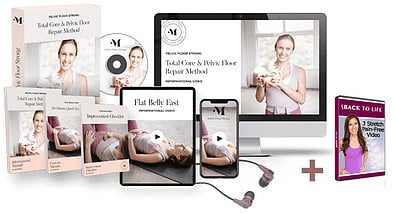
One structured program designed around pelvic floor training is Bladder Floor Strong by Alex Miller
What It Is
Bladder Floor Strong is a digital exercise program focused on helping people properly engage and strengthen their pelvic floor muscles through guided routines.
It’s designed to be done at home and does not require special equipment.
Who It’s Designed For
This type of program may be helpful for people experiencing:
- Leakage when coughing, laughing, or exercising
- Post-pregnancy bladder control changes
- Menopause-related muscle weakening
- Mild bladder control issues linked to pelvic muscle weakness
- Men recovering from prostate-related procedures (with medical clearance)
What I Like About the Program
✔ Structured guidance instead of guessing
✔ Focus on correct muscle engagement
✔ Home-based and low impact
✔ Designed for people who struggle with traditional Kegel instructions
What It’s NOT
❌ It is not a medical treatment
❌ It does not replace diagnosis from a healthcare professional
❌ It’s not an overnight fix
❌ It won’t resolve issues caused by infections, nerve disorders, or structural damage
Consistency is key with any muscle training program.
Who This May Help Most
This type of program tends to be most suitable for people who:
- Haven’t had success doing pelvic exercises on their own
- Suspect weak pelvic muscles are contributing to leaks
- Want a non-invasive approach
- Prefer home-based routines
Related FAQs
What is the most common cause of bladder leakage?
Bladder leakage can have multiple causes, but weakened pelvic floor muscles are a common contributing factor, especially after pregnancy, aging, or long-term pressure on the abdominal area.
Can pelvic floor exercises help bladder control?
Pelvic floor exercises are widely recommended as a supportive strategy for improving muscle strength and bladder control when weakness is involved. Results vary depending on the individual and underlying cause.
Is bladder leakage a normal part of aging?
While bladder control changes can become more common with age, leakage is not something people simply have to accept. Muscle training, lifestyle adjustments, and medical advice may all play a role in managing symptoms.
What is diastasis recti and does it affect bladder control?
Diastasis recti is a separation of abdominal muscles that often occurs during pregnancy. It can affect core stability, and in some cases may be linked to pelvic floor weakness, though not everyone with this condition experiences bladder leakage.
When should I see a doctor about bladder leakage?
You should seek medical advice if leakage is sudden, painful, worsening, or accompanied by other symptoms like blood in the urine or difficulty urinating.
What is Bladder Floor Strong?
Bladder Floor Strong is a digital exercise program focused on guided pelvic floor and core strengthening routines designed for home use. It includes structured video routines and educational materials that can be followed at your own pace.
*You can view the official program details here <<
Medical Disclaimer
This article is for informational purposes and is not medical advice. Bladder leakage can sometimes be linked to medical conditions that require professional care. Anyone experiencing new, painful, or worsening symptoms should consult a healthcare provider.
Final Verdict
Bladder Floor Strong appears to be a structured educational program centred around pelvic floor and core muscle training. For individuals who believe muscle weakness contributes to their symptoms, this type of guided approach may be worth exploring.
However, it should not replace medical evaluation for persistent, painful, or unexplained bladder issues.


Fix Your Energy, Sleep and Nutrition Today 🛠
Get our 20-Step Healthy Living eBook, Daily Health Planner and our other bonuses sent to your inbox instantly. Start your journey with 7 days of exclusive gifts and expert tips to stay fit throughout 2026.
Disclaimer: We hate spam too. Unsubscribe anytime.






About Author






Hey Alex,
Thank you for tacking this embarrassing topic. Not many people want to talk about it and many are looking for a solution. Your article is really helpful because it both shows some basic exercises anyone can do for free from home – from your image. This is perhaps a good place to start. Then to take this more comprehensively to resolve the problem then Alex Miller’s program seems reasonable. As you say though, real customer testimonials would be helpful.
I think I’ll start with the exercises on your infographic for now as a preventative pelvic floor stengthener.
Hi John, Thanks for commenting yes I know what you mean. I am glad you think it is helpful and yes I agree you could maybe print out the infographic, check out some of the exercises on the Alex Miller Fitness Facebook page and then if you would like to take things a step further then try out Alex’s Pelvic Floor Strong product.