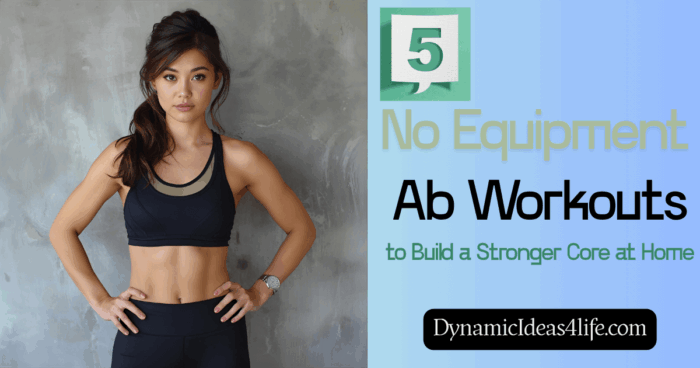
5 No-Equipment Ab Workouts at Home for a Stronger Core
No equipment ab workouts are one of the most effective ways to build a stronger core without stepping foot in a gym. Using only your bodyweight, you can improve core strength, stability, and posture from the comfort of your own home. In this guide, you’ll discover five targeted ab workouts suitable for all fitness levels.
In this article, we will explore the benefits of ab workouts, as well as provide a variety of exercises for all fitness levels, from beginner to advanced.
Whether you are looking to tone your midsection, improve your posture, or simply strengthen your core, there are plenty of options for effective ab workouts that can be done in the comfort of your own home.
Who These No-Equipment Ab Workouts Are Best For
These workouts are ideal for:
- People who prefer to train at home
- Beginners starting core training
- Busy people needing short workouts
- Anyone wanting core strength without gym equipment
Benefits of No-Equipment Ab Workouts at Home

Incorporating regular ab workouts into your fitness routine offers benefits that go far beyond appearance.
- Improved core strength and stability
- Better posture and spinal support
- Reduced risk of lower back pain
- Enhanced balance and coordination
- Improved performance in other exercises and sports
A strong core acts as the foundation for almost every movement your body makes, making ab workouts essential for both fitness beginners and experienced athletes.
Safety Note: If you have back pain, injuries, or medical conditions, consult a healthcare professional before starting new exercise routines. Stop immediately if you feel sharp pain or discomfort.
What Are The 5 No Equipment Ab Workouts?
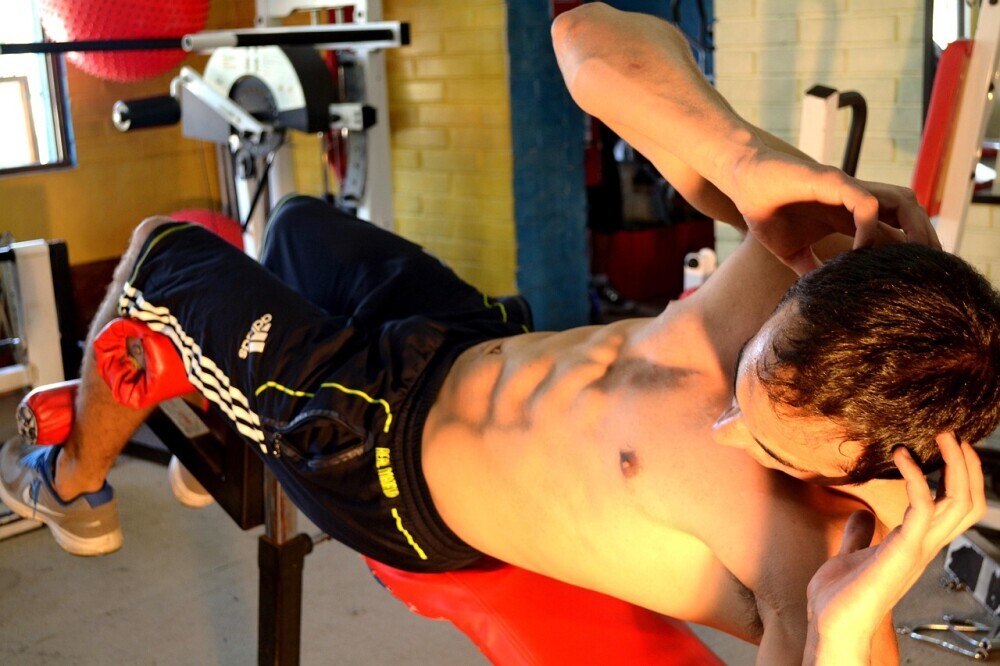
Each workout below targets different areas of the core. You can complete them as standalone sessions or mix and match depending on your fitness level.
1. Beginner Core Activation Workout
Best for: Beginners or those returning to exercise
Goal: Activate core muscles and build a foundation
Exercises
- Crunches – 12–15 reps
- Plank – 20–30 seconds
- Dead Bug – 8–10 reps per side
Tip: Focus on slow, controlled movements and proper breathing.
Beginners often notice that planks feel more challenging than crunches at first — this is normal and shows the deep core muscles are activating.
2. Stability & Balance Core Workout
Best for: Building control and posture
Goal: Improve balance and spinal stability
Exercises
- Forearm Plank – 30–45 seconds
- Bird Dog – 10 reps per side
- Glute Bridge Hold – 30 seconds
Tip: Keep your core engaged and avoid arching your lower back.
*These types of stability movements are commonly used in physical therapy and posture correction programs because they train the core to support the spine properly.
3. Oblique & Waist-Shaping Workout
Best for: Targeting side abs
Goal: Improve rotational strength and definition
Exercises
- Bicycle Crunch – 12–15 reps per side
- Side Plank – 20–30 seconds per side
- Standing Oblique Crunch – 12 reps per side
Tip: Twist from your torso, not your neck.
Many people report improved waist control and rotational strength after a few weeks of consistent oblique-focused training.
4. Total Core Burn Workout
Best for: Intermediate fitness levels
Goal: Strengthen upper, lower, and deep core muscles
Exercises
- Leg Raises – 10–12 reps
- Mountain Climbers – 30 seconds
- Plank Shoulder Taps – 10–12 reps per side
Tip: Keep movements controlled to maximise core activation.
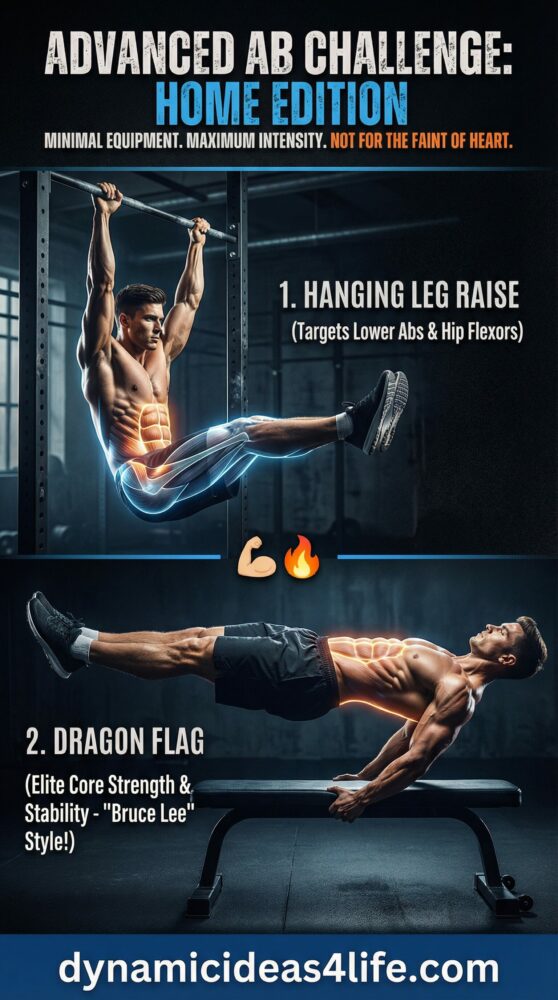
5. Advanced Core Strength Workout
Best for: Advanced fitness levels
Goal: Maximise strength and control
Exercises
- Hanging or Lying Leg Raises – 10 reps
- Hollow Body Hold – 30 seconds
- Dragon Flag (or Negative) – 3–5 reps
Tip: Only attempt advanced exercises once you’ve built sufficient core strength.
5-Workout Summary Table
| Workout | Focus Area | Level | Time |
|---|---|---|---|
| Beginner Core Activation | Core engagement | Beginner | 10–15 mins |
| Stability & Balance | Posture & control | Beginner–Intermediate | 10–15 mins |
| Oblique & Waist | Side abs | Intermediate | 15 mins |
| Total Core Burn | Full core | Intermediate | 15–20 mins |
| Advanced Core Strength | Maximum strength | Advanced | 20 mins |
Tips to Get Better Results from No-Equipment Ab Workouts
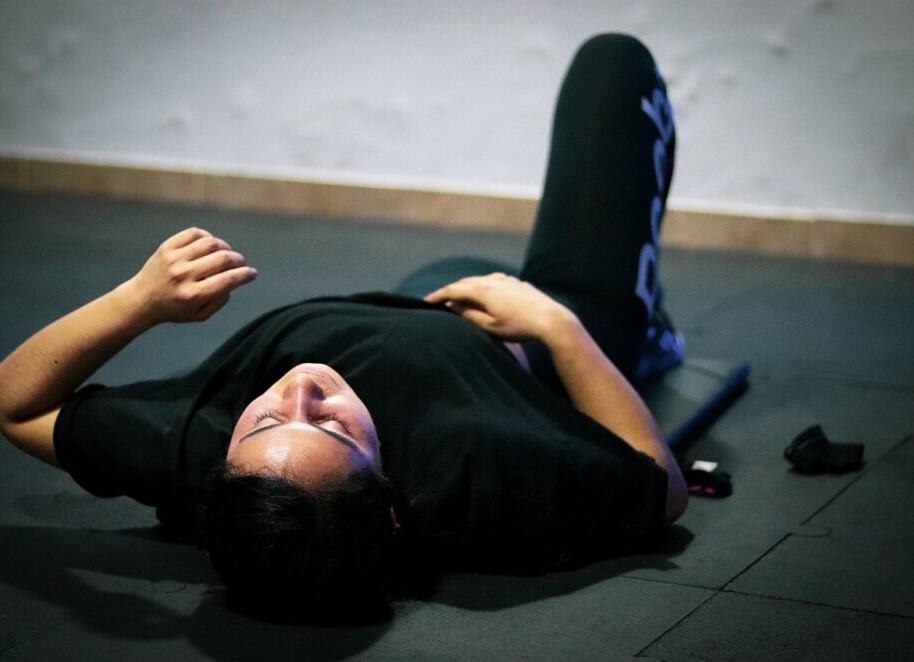
Getting the most out of your ab workouts isn’t about doing endless repetitions — it’s about quality, consistency, and smart programming. Follow these tips to maximise results while reducing injury risk.
Focus on Proper Form
Maintaining correct form is essential for engaging your core muscles effectively. Slow, controlled movements activate the abs far more than rushing through exercises. Avoid pulling on your neck during crunches and keep your lower back supported when performing floor-based movements.
Engage Your Core Throughout
Before starting each exercise, consciously tighten your abdominal muscles as if bracing for impact. This improves muscle activation and protects your spine. Core engagement should be maintained from start to finish, especially during planks and leg raises.
You should feel a gentle tightening around the midsection, almost like bracing before someone pokes your stomach — this is a sign your deep core muscles are working.
Train All Areas of the Core
A balanced ab workout targets more than just the “six-pack” muscles. Include exercises for:
- Upper abs
- Lower abs
- Obliques
- Deep Stabilising Muscles like the transverse abdominis
This approach leads to better strength, posture, and functional movement.
The transverse abdominis — your deepest core muscle — acts like a natural corset, helping stabilise your spine and improve posture.
Control Your Breathing
Breathing correctly improves performance and endurance. Exhale during the hardest part of each movement and avoid holding your breath. Controlled breathing also helps you maintain proper form during longer holds like planks.
Progress Gradually
Start with exercises that match your fitness level and increase difficulty over time. This might mean:
- Extending plank hold times
- Increasing repetitions
- Advancing to more challenging variations
Gradual progression helps prevent overuse injuries and keeps workouts effective.
Allow Time for Recovery
Abs are muscles like any other and need recovery time. Training them 2–4 times per week is sufficient for most people. Rest days allow muscles to repair and grow stronger.
Support Workouts With Nutrition
While ab workouts strengthen muscles, nutrition plays a major role in visible results. Prioritise whole foods, adequate protein intake, and proper hydration to support muscle recovery and fat loss.
Conclusion and Recommendations
In conclusion, ab workouts are an essential part of any fitness routine and can be effectively done at home with little to no equipment. By incorporating a variety of exercises that target different areas of the core, individuals can improve their overall stability, balance, and posture while achieving a toned midsection.
It’s also important to understand that visible abdominal definition depends on overall body fat levels, not exercise alone.
So, whether you are a beginner looking to improve core strength or an advanced athlete looking for a greater challenge, there are plenty of options for effective ab workouts that can be done in the comfort of your own home.
By following proper form and technique, incorporating a variety of exercises, and listening to your body’s needs, you can achieve great results from ab workouts at home. So why not start today and take the first step towards a stronger core and improved overall fitness?
Related FAQs
Can you build a strong core without equipment?
Yes, you can build a strong core using bodyweight exercises alone. Movements like planks, crunches, leg raises, and bicycle crunches effectively engage and strengthen core muscles without any equipment.
How often should I do ab workouts at home?
Most people benefit from doing ab workouts 2–4 times per week. This allows enough stimulation for strength gains while giving muscles time to recover.
Are no-equipment ab workouts effective for toning?
Yes. No-equipment ab workouts can help tone the midsection by strengthening abdominal muscles. Visible definition also depends on overall body fat levels and nutrition.
How long should an ab workout last?
An effective ab workout can last 10–20 minutes, depending on intensity. Quality and consistency matter more than duration.
Are ab workouts safe for beginners?
Ab workouts are safe for beginners when proper form is used and exercises are progressed gradually. Starting with basic movements helps reduce injury risk.
Final Thoughts
Building a strong core doesn’t require expensive gym memberships or complicated equipment. With consistent effort and proper technique, no equipment ab workouts can deliver impressive results from the comfort of your home. These workouts strengthen the muscles that support your spine, improve balance and posture, and enhance overall movement in daily life.
The key to success is choosing exercises that match your fitness level and progressing gradually as your strength improves. Short, focused ab workouts performed regularly are far more effective than occasional long sessions. When paired with balanced nutrition and adequate recovery, these workouts can help you achieve lasting core strength and stability.
Whether you’re just starting out or looking to challenge yourself with advanced movements, incorporating bodyweight ab exercises into your routine is a simple and effective way to improve your overall fitness.
Start with one workout today, stay consistent, and build the foundation for a stronger, healthier body.

Fix Your Energy, Sleep and Nutrition Today 🛠
Get our 20-Step Healthy Living eBook, Daily Health Planner and our other bonuses sent to your inbox instantly. Start your journey with 7 days of exclusive gifts and expert tips to stay fit throughout 2026.
Disclaimer: We hate spam too. Unsubscribe anytime.





Anxiety and Depression are you magnesium deficient BiOptimizers blood pressure supplements blood sugar control blood sugar support supplements digestive enzymes Digestive Enzymes Supplement Digestive Health digital products Dr Sam Robbins Gut Health Gut Health While Travelling Health Tips for Travelling Healthy Living heart health HFL hypomagnesia insulin resistance joint health supplement keto dieting Keto Diet Weight Loss leaky gut supplements leptin resistance list magnesium Magnesium deficiency Matt Gallant mental health multivitamins Nootopia Nootropics Probiotics Probiotic Supplements reverse type 2 diabetes stress and anxiety stress relief Supplements vitabalance Wade Lightheart weight loss articles weight loss diet plans weight loss product reviews weight loss supplements weight loss tea
About Author