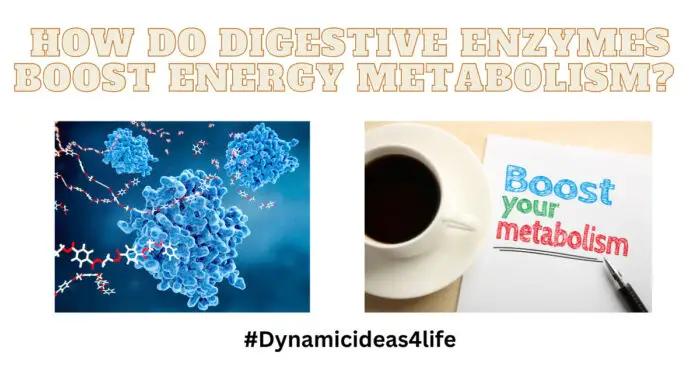
How Do Digestive Enzymes Work For Energy Metabolism?
Ever wondered why some people feel energised after meals while others feel sluggish? While blood sugar balance and food quality matter, one often overlooked factor is digestive efficiency.
Digestive enzymes are essential for breaking down the food we eat into absorbable nutrients. Without this first step, your body cannot access the raw materials needed to produce energy at the cellular level.
In this article, we’ll explore how digestive enzymes support energy metabolism — from digestion in the gut to ATP production inside your cells.
What Are Digestive Enzymes?

Digestive enzymes are specialised proteins produced by the body to break down food into smaller, absorbable molecules.
They are secreted from:
- The salivary glands
- The stomach
- The pancreas
- The small intestine
Each enzyme has a specific role:
- Amylase – Breaks down carbohydrates into simple sugars
- Protease – Breaks down proteins into amino acids
- Lipase – Breaks down fats into fatty acids and glycerol
- Lactase – Breaks down lactose (milk sugar)
Without adequate enzyme activity, nutrients cannot be efficiently absorbed — meaning the body may struggle to generate optimal energy.
How Digestive Enzymes Work: Step-by-Step
1. Digestion Begins in the Mouth
Salivary amylase begins breaking down carbohydrates as soon as you chew.
2. Stomach Breakdown
In the stomach, hydrochloric acid and the enzyme pepsin begin protein digestion.
3. Pancreatic Enzyme Release
When partially digested food enters the small intestine, the pancreas releases powerful enzymes (amylase, protease, lipase) to complete digestion.
4. Nutrient Absorption
Once macronutrients are broken into their building blocks:
- Glucose
- Amino acids
- Fatty acids
They are absorbed through the intestinal lining into the bloodstream and transported to the liver and tissues.
This is where energy metabolism truly begins.
From Digestion to Cellular Energy (The Missing Link)
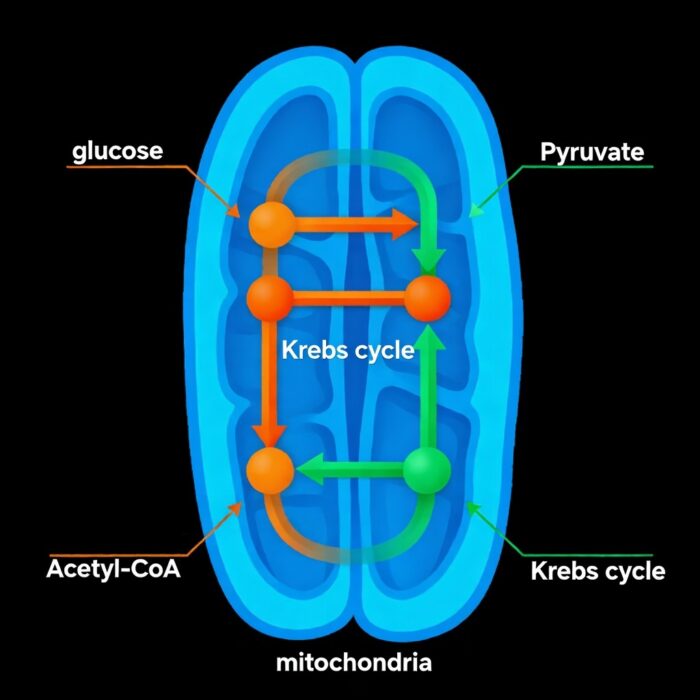
Digestive enzymes do not directly “create” energy. Instead, they make nutrients available for cellular energy production.
Once absorbed:
Carbohydrates → Glucose → ATP
Glucose enters cells and undergoes:
- Glycolysis
- The Krebs cycle
- The electron transport chain
This produces ATP (adenosine triphosphate), the body’s primary energy currency.
Fats → Fatty Acids → Beta-Oxidation → ATP
Fatty acids are transported into mitochondria and converted into acetyl-CoA, feeding into the Krebs cycle to generate ATP.
Proteins → Amino Acids → Metabolic Intermediates
Amino acids support:
- Tissue repair
- Enzyme production
- Hormone synthesis
- And can enter metabolic pathways when needed for energy
Without proper digestion, these substrates may not be efficiently available — potentially reducing metabolic efficiency.
Do Digestive Enzymes Boost Metabolism?
Digestive enzymes do not directly increase metabolic rate in the way exercise or thyroid hormones do.
However, they may support energy metabolism indirectly by:
- Improving nutrient breakdown
- Supporting optimal protein digestion
- Enhancing nutrient absorption
- Reducing digestive stress
Efficient protein digestion, for example, ensures amino acids are available to maintain lean muscle mass — a key factor in long-term metabolic health.
In other words, enzymes support the foundation of metabolism rather than “stimulating” it directly.
Natural Sources of Digestive Enzymes

Certain whole foods naturally contain enzymes:
- Pineapple – Contains bromelain (protein-digesting enzyme)
- Papaya – Contains papain
- Mango – Contains amylase
- Avocado – Contains lipase
- Kimchi – Fermented food containing various enzymes
- Kefir – Contains lactase and other digestive-supporting compounds
- Raw honey – Contains natural carbohydrate-digesting enzymes
While food-based enzymes may support digestion, most are partially broken down by stomach acid.
Digestive Enzyme-Related Health Conditions

Some medical conditions impair enzyme production or function, including:
- Pancreatitis – Inflammation affecting enzyme secretion
- Cystic fibrosis – Genetic condition impacting pancreatic enzymes
- Lactose intolerance – Insufficient lactase production
- Exocrine pancreatic insufficiency (EPI)
- Age-related decline in enzyme output
According to research published in the Journal of Food Science and Technology (2018), proper enzyme activity is essential for optimal nutrient digestion and absorption.
In more serious deficiencies, prescription enzyme replacement therapy may be required under medical supervision.
When Are Digestive Enzyme Supplements Needed?

Digestive enzyme supplements may be helpful in cases such as:
- Diagnosed pancreatic insufficiency
- Lactose intolerance
- Age-related digestive decline
- Chronic bloating after high-protein or high-fat meals
- Certain inflammatory bowel conditions
However, supplementation should always be discussed with a healthcare professional — especially if symptoms are persistent.
Enzymes should not replace a balanced diet rich in whole foods and fibre.
Additionally, while enzyme supplements can be helpful in certain situations, they should not be used as a replacement for a healthy diet.
How Digestive Enzymes Support Energy Levels
Digestive enzymes support energy production by ensuring:
- Carbohydrates are converted into usable glucose
- Fats are broken into fatty acids for mitochondrial energy
- Proteins provide amino acids for metabolic function
When digestion is inefficient, symptoms such as bloating, fatigue after meals, and nutrient deficiencies may occur.
Optimising digestion supports the first stage of energy metabolism — nutrient availability.
Digestive Enzymes vs Probiotics
While often confused, they serve different roles:
Digestive enzymes
- Break down food
- Act directly on macronutrients
- Work immediately during digestion
Probiotics
- Support gut bacteria balance
- Influence immune function
- Affect long-term gut health
Both can support digestive health, but through different mechanisms.
Related FAQs
What Can Affect Digestive Enzyme Levels?
What can affect digestive enzyme levels? Several factors can affect digestive enzyme levels in the body, including age, genetics, medical conditions, medications, and lifestyle factors such as diet and stress. Some medical conditions, such as pancreatitis or cystic fibrosis, can affect the production of digestive enzymes. Certain medications, such as antacids or antibiotics, can also affect digestive enzyme levels. A healthy diet that includes a variety of whole foods can help to support digestive enzyme production and function.
How Are Digestive Enzymes Different From Probiotics?
How are digestive enzymes different from probiotics? Digestive enzymes and Probiotics are both important for digestive health, but they work in different ways. Digestive enzymes help to break down food and extract nutrients, while probiotics help to maintain a healthy balance of gut bacteria. Digestive enzymes are naturally produced in the body and work within the digestive system, while probiotics are live bacteria that can be found in certain foods or supplements and work to support gut health and immune function.
How Do Digestive Enzymes Help with Energy?
How do digestive enzymes help with energy? Digestive enzymes help with energy metabolism by breaking down carbohydrates, proteins, and fats into their building blocks, which are then used by the body for energy.
For example;
* Amylase Enzymes break down carbohydrates into simple sugars, which are used by the body for energy production.
* Protease Enzymes break down protein into amino acids, which are used for tissue repair and growth.
* Lipase enzymes break down fats into fatty acids, which can be used for energy production or stored in the body for later use.
By improving digestion and nutrient absorption, digestive enzymes can help to support energy levels and overall health.
What Are Some Common Digestive Enzyme Supplements?
Some common digestive enzyme supplements include:
– Protease enzymes: Break down proteins into amino acids
– Amylase enzymes: Break down carbohydrates into simple sugars
– Lipase enzymes: Break down fats into fatty acids
– Lactase enzymes: Break down lactose (the sugar in milk)
– Cellulose Enzymes: Break down Plant-Based Proteins
Can I Get Enough Digestive Enzymes From My Diet Alone?
While a healthy diet that includes a variety of whole foods can help to support digestive enzyme production and function, some people may still experience digestive issues due to insufficient enzyme production. In such cases, enzyme supplements may be necessary to improve digestion and nutrient absorption. It’s important to talk to a healthcare professional to determine if enzyme supplements are necessary and safe for your individual needs.
Are There Any Risks or Side Effects Associated with Digestive Enzyme Supplements?
While digestive enzyme supplements are generally considered safe, some people may experience side effects such as nausea, diarrhea, or abdominal discomfort. In rare cases, allergic reactions can occur.
Related Articles You May Find Helpful
If you’re exploring digestive enzymes and metabolic support further, these articles may help:
• Should Bodybuilders Take Digestive Enzymes?
(Exploring high-protein diets and enzyme demand)
• Digestive Enzymes for Travel
(How digestion changes under stress and disrupted routines)
• 25 Gut Health Supplements and Probiotics for Metabolic Health
(A comprehensive guide to gut-metabolism support)
• MassZymes Proteolytic Enzymes Review
(My in-depth breakdown of ingredients, potency and who it’s best for)
Final Thoughts
Digestive enzymes play a foundational role in energy metabolism. They do not directly create energy, but they make it possible.
By breaking down carbohydrates, proteins, and fats into absorbable molecules, they provide the essential building blocks required for ATP production within your cells.
For individuals experiencing digestive discomfort or confirmed enzyme deficiencies, targeted supplementation may help support nutrient absorption and overall metabolic function.
If you’re exploring high-quality digestive enzyme blends designed to support protein and macronutrient digestion, I’ve reviewed one comprehensive formula here.
Health Disclaimer
The information provided in this article is for educational and informational purposes only and is not intended as medical advice. It should not be used to diagnose, treat, cure, or prevent any medical condition.
Digestive enzyme supplements may not be suitable for everyone. Always consult your GP, qualified healthcare professional, or registered dietitian before starting any new supplement — particularly if you have a medical condition, are taking medication, are pregnant, breastfeeding, or have known digestive disorders.
Individual responses to supplements may vary. The content on this website reflects personal research and opinion and should not replace professional medical guidance.
References;
- Enzymes in Digestion of Food: A Review. (2018). Journal of Food Science and Technology, 55(2), 397-406. doi: 10.1007/s13197-017-2915-1
- DiMagno, E. P. (2020). Exocrine Pancreatic Insufficiency. New England Journal of Medicine, 382(10), 958-963. doi: 10.1056/nejmcp1910878
- Khedkar, C. D., & Chaudhari, A. (2019). Probiotics and Digestive Enzymes: A Brief Review. Journal of Medical Nutrition and Nutraceuticals, 8(1), 13-18. doi: 10.4103/jmnn.jmnn_42_18
- Hofmann, A. F., & Hagey, L. R. (2014). Bile Acids: Chemistry, Pathochemistry, Biology, Pathobiology, and Therapeutics. Cell Mol Life Sci, 71(17), 3009-3038. doi: 10.1007/s00018-014-1631-1
- Natural Medicines. (2023). Professional Database: Digestive Enzymes. Retrieved from https://naturalmedicines.therapeuticresearch.com/databases/food,-herbs-supplements/professional.aspx?productid=1092
- National Institutes of Health. (2022). Dietary Supplements: What You Need to Know. Retrieved from https://ods.od.nih.gov/HealthInformation/Dietary_Supplements.aspx.

Fix Your Energy, Sleep and Nutrition Today 🛠
Get our 20-Step Healthy Living eBook, Daily Health Planner and our other bonuses sent to your inbox instantly. Start your journey with 7 days of exclusive gifts and expert tips to stay fit throughout 2026.
Disclaimer: We hate spam too. Unsubscribe anytime.

Anxiety and Depression are you magnesium deficient BiOptimizers blood pressure supplements blood sugar control blood sugar support supplements digestive enzymes Digestive Enzymes Supplement Digestive Health digital products Dr Sam Robbins Gut Health Gut Health While Travelling Health Tips for Travelling Healthy Living heart health HFL hypomagnesia insulin resistance joint health supplement keto dieting Keto Diet Weight Loss leaky gut supplements list Low Stomach Acid magnesium Magnesium deficiency Matt Gallant mental health multivitamins Nootopia Nootropics Probiotics Probiotic Supplements reverse type 2 diabetes stress and anxiety stress relief Supplements vitapost Wade Lightheart weight loss articles weight loss diet plans weight loss product reviews weight loss supplements weight loss tea
About Author