
How to Use Acupressure for Pain Relief: Headaches, Back Pain & Reflexology
Acupressure for Pain Relief is an ancient healing practice that has gained renewed attention as more people seek natural, drug-free ways to manage pain and improve overall wellbeing. Rooted in Traditional Chinese Medicine (TCM), acupressure focuses on stimulating specific points on the body to relieve discomfort, restore balance, and support holistic health.
This guide explores what acupressure is, how it works, and how it can be used effectively for headaches, back pain, joint discomfort, and lower body issues through foot reflexology.
What Is Acupressure? Origins and Core Principles
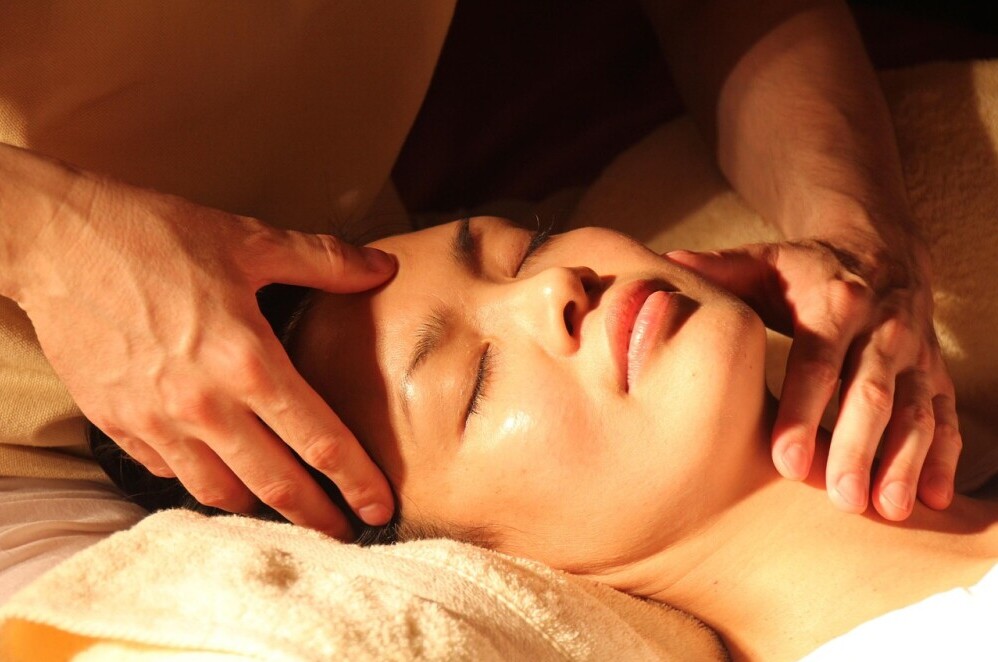
Acupressure is a therapeutic technique that involves applying firm, targeted pressure to specific points on the body using the fingers, thumbs, or hands. It originated over 2,000 years ago in China and is closely related to acupuncture, although it does not involve needles.
Historically, acupressure was developed as part of Traditional Chinese Medicine to help stimulate the body’s natural self-healing abilities. Over time, its use spread across Asia and is now practiced worldwide as a complementary therapy.
What Are the Underlying Principles of Acupressure (Qi and Meridians)?
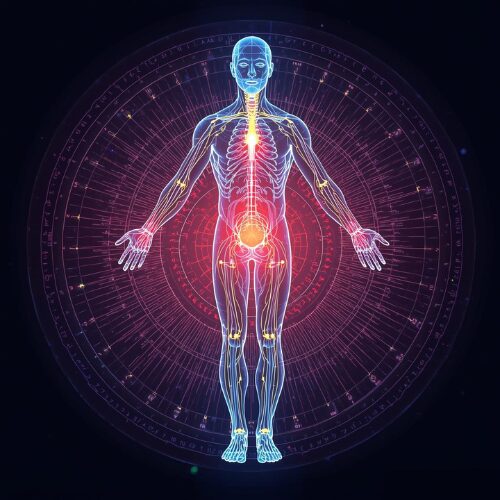
At the heart of acupressure is the belief that life energy, known as Qi (or Chi), flows through the body along specific pathways called meridians.
When this energy becomes blocked or imbalanced, pain and illness may occur. Applying pressure to acupoints is thought to help restore proper energy flow, reduce tension, and support healing.
Main Benefits of Acupressure for Holistic Health
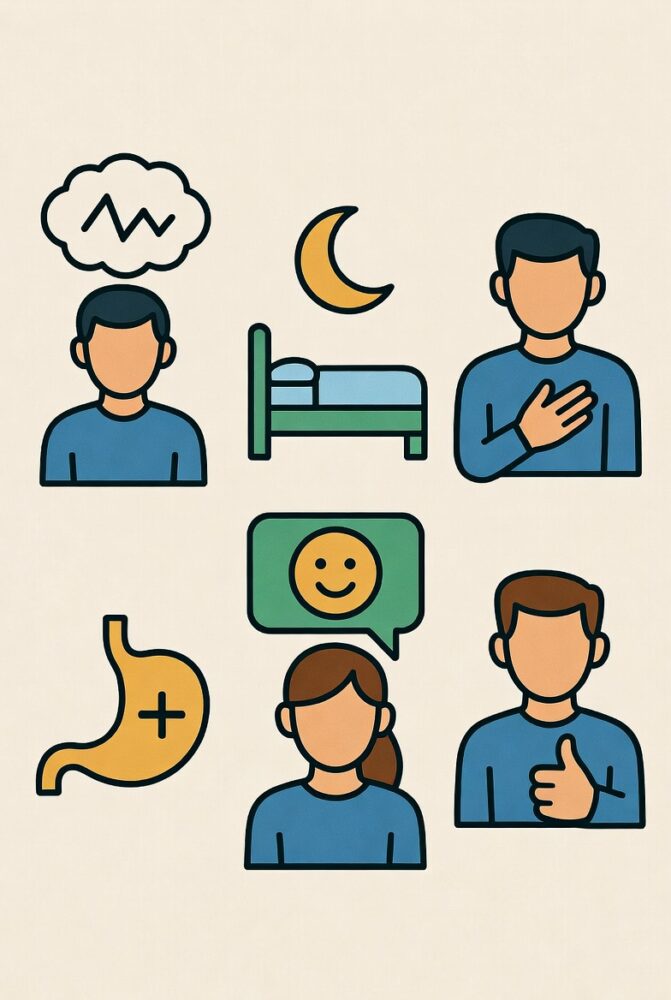
Acupressure is valued not only for pain relief but also for its broader wellness benefits, including:
- Reduced muscle tension and stiffness
- Improved circulation
- Lower stress and anxiety levels
- Enhanced relaxation and sleep quality
- Support for digestive and hormonal balance
Because it is non-invasive and generally safe, acupressure is often used as part of a holistic self-care routine.
Is There Scientific Evidence Supporting Acupressure’s Efficacy?
Modern research suggests that acupressure may help relieve pain by stimulating the nervous system, increasing blood flow, and triggering the release of endorphins — the body’s natural pain-relieving chemicals. Clinical studies have shown promising results for conditions such as headaches, lower back pain, nausea, and arthritis, although results can vary between individuals.
How To Understand Energy Pathways (Meridians)
Meridians are conceptual channels that connect organs and systems throughout the body. While they are not visible anatomically, they provide a framework for understanding how pressure applied in one area can influence another. For example, stimulating points on the hand or foot may help relieve pain in the head or back.
While Meridians are not recognised in Western anatomy, modern interpretations suggest that acupressure may influence connective tissue, nerve pathways, and neuromuscular responses, helping explain its effects in more conventional terms.
How Can Acupressure Techniques Help Headaches and Migraines
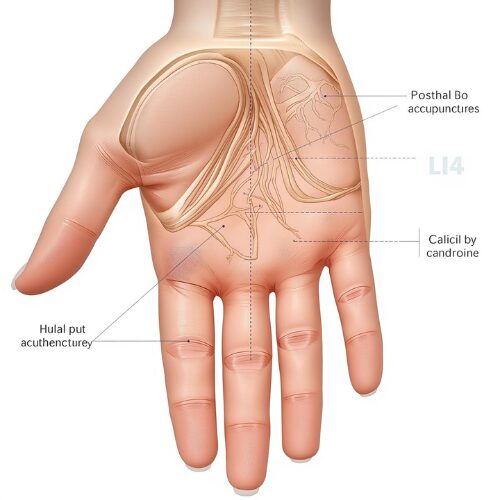
Headaches and migraines are among the most common reasons people turn to acupressure.
Key Pressure Points for Headaches and Migraines
Some of the most commonly used points include:
- LI4 (Hegu): Located between the thumb and index finger, often used for tension headaches
- GB20 (Feng Chi): Found at the base of the skull, helpful for neck-related headaches
- Yintang: Located between the eyebrows, commonly used for stress-related headaches
Note: LI4 should be avoided during pregnancy unless advised by a professional.
These points can be used 1–3 times daily during headache episodes or preventatively during high-stress periods.
Step-by-Step Guide to Applying Pressure
- Sit comfortably and take a few slow, deep breaths.
- Locate the pressure point using gentle palpation.
- Apply firm but comfortable pressure using your thumb or finger.
- Hold the pressure for 30–90 seconds while breathing slowly.
- Release gradually and repeat on the opposite side if applicable.
Tips for Safe and Effective Self-Application
- Avoid applying pressure to broken or inflamed skin
- Use steady pressure rather than sharp or painful force
- Stop if you feel dizziness or increased discomfort
- Stay hydrated after a session
Reducing Stress and Tension Through Acupressure
Stress is a major contributor to headaches. Acupressure helps relax the nervous system, reduce muscle tightness in the neck and shoulders, and promote a sense of calm — all of which may reduce headache frequency and intensity.
Potential Benefits for Chronic Headache Sufferers
For those with recurring headaches or migraines, regular acupressure practice may help reduce reliance on pain medication and improve overall quality of life when used alongside medical care.
Alleviating Back and Joint Pain With Upper Body Acupressure
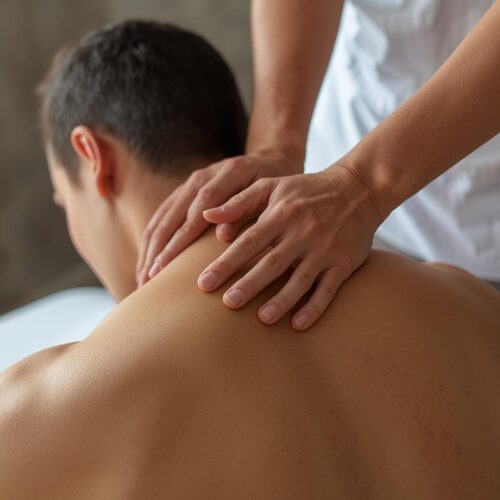
Key Acupressure Points for Back and Upper Body Relief
Commonly used points include:
- BL23: Lower back support and kidney energy
- SI3: Upper back and neck tension relief
- GB21: Shoulder tightness and stress-related pain
Integrating Acupressure Into Your Pain Management Routine
Acupressure works best when practiced consistently. Short daily sessions of 5–10 minutes can be incorporated into morning routines, work breaks, or evening relaxation rituals.
Complementing Acupressure With Stretching and Exercise
Gentle stretching, yoga, or mobility exercises can enhance the effects of acupressure by improving flexibility and circulation. Combining these approaches often provides longer-lasting relief than using one method alone.
Personal Experiences With Acupressure Relief
Many people report reduced stiffness, improved mobility, and faster recovery after incorporating acupressure into their routine. While experiences vary, anecdotal evidence highlights its value as a supportive therapy.
While scientific evidence continues to develop, many individuals report noticeable improvements in pain levels, mobility, and relaxation after consistent acupressure use. These experiences are often most positive when acupressure is combined with lifestyle changes such as stress management, gentle movement, and adequate rest.
When to Consult a Professional Acupressurist
If pain is severe, persistent, or linked to an underlying condition, consulting a trained acupressurist or healthcare professional is recommended. Professional guidance ensures proper technique and point selection.
Acupressure can be particularly helpful for posture-related discomfort caused by prolonged sitting, desk work, or repetitive movements.
Foot Reflexology: Acupressure for Lower Body Pain
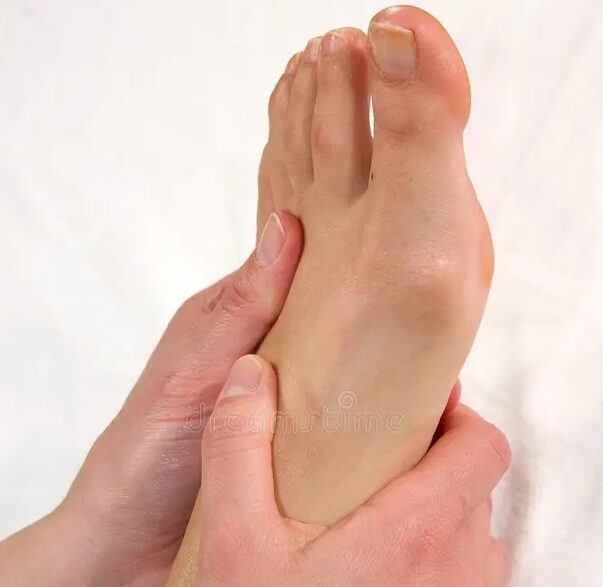
What Is Foot Reflexology?
Foot reflexology is a specialised form of acupressure that focuses on the feet, where specific areas are believed to correspond to organs and body parts. Stimulating these points may help relieve pain and promote systemic balance.
Key Foot Pressure Points for Pain Relief
- Heel area: Lower back and sciatic discomfort
- Arch of the foot: Digestive and spinal support
- Ball of the foot: Shoulder and upper body tension
How to Perform Foot Acupressure at Home
- Sit comfortably and remove footwear.
- Use your thumb to apply circular pressure to the target area.
- Apply pressure for 1–2 minutes per point.
- Repeat on both feet.
Benefits Beyond Pain Relief
Foot acupressure may also support:
- Improved sleep quality
- Better digestion
- Reduced stress and anxiety
- Enhanced circulation
Common Myths and Misconceptions About Foot Reflexology
A common myth is that reflexology can cure serious diseases. While it may support wellbeing and symptom relief, it should not replace medical diagnosis or treatment.
Foot reflexology is often used when pain or tension is difficult to reach directly, making it a popular option for lower body discomfort and whole-body relaxation.
Final Thoughts
Acupressure offers a gentle, accessible approach to pain relief that aligns with holistic health principles. Whether used for headaches, back pain, joint discomfort, or overall relaxation, it can be a valuable addition to a balanced wellness routine. As with any complementary therapy, results are best when acupressure is practiced consistently and alongside professional medical advice when needed.
If you’re interested in other natural pain relief methods, you may also find our guide on red light therapy or CBD helpful.
Related FAQs
Is acupressure safe to use every day?
Yes, acupressure is generally safe for daily use when applied gently and correctly. Many people benefit from short, regular sessions rather than occasional intense pressure.
How long does it take for acupressure to work?
Some people experience relief within minutes, while others may notice gradual improvements over several days or weeks of consistent practice. Results vary depending on the condition and individual response.
Can acupressure replace pain medication?
Acupressure may help reduce discomfort and reliance on pain medication for some people, but it should not replace prescribed treatments without medical advice. It works best as a complementary therapy.
Does acupressure hurt?
You may feel mild tenderness or pressure, but acupressure should not be painful. Sharp pain or discomfort is a sign to reduce pressure or stop.
Are there any situations where acupressure should be avoided?
Avoid acupressure on open wounds, inflamed areas, or during serious illness without guidance. Certain points should be avoided during pregnancy unless advised by a professional.
How often should I use acupressure for chronic pain?
For chronic issues, daily or near-daily sessions of 5–10 minutes are often recommended. Consistency is more important than duration.
Is foot reflexology scientifically proven?
Research on reflexology is mixed. While it may not cure medical conditions, many people report reduced pain, stress, and improved relaxation when used as part of a holistic routine.





Fix Your Energy, Sleep and Nutrition Today 🛠
Get our 20-Step Healthy Living eBook, Daily Health Planner and our other bonuses sent to your inbox instantly. Start your journey with 7 days of exclusive gifts and expert tips to stay fit throughout 2026.
Disclaimer: We hate spam too. Unsubscribe anytime.
Anxiety and Depression are you magnesium deficient BiOptimizers blood pressure supplements blood sugar control blood sugar support supplements digestive enzymes Digestive Enzymes Supplement Digestive Health digital products Dr Sam Robbins Gut Health Gut Health While Travelling Health Tips for Travelling Healthy Living heart health HFL hypomagnesia insulin resistance joint health supplement keto dieting Keto Diet Weight Loss leaky gut supplements list Low Stomach Acid magnesium Magnesium deficiency Matt Gallant mental health multivitamins Nootopia Nootropics Probiotics Probiotic Supplements reverse type 2 diabetes stress and anxiety stress relief Supplements vitapost Wade Lightheart weight loss articles weight loss diet plans weight loss product reviews weight loss supplements weight loss tea
About Author


This is a very informative and detailed article on acupressure. Even though I have experienced it in the past, I learned significantly more from your post. I appreciate the Q&A as well. I will share these ideas with others.
Thanks Joseph, yes I found it very Interesting to research too. Been trying out a bit of this myself over the past few days. Glad you can appreciate and thanks for reading.