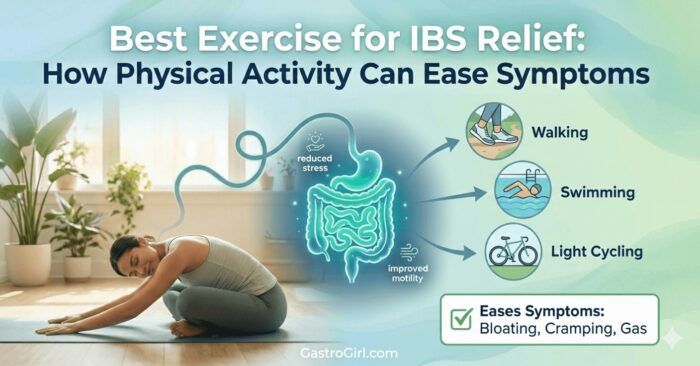
Best Exercise for IBS Relief: How Physical Activity Can Ease Symptoms
Many people ask, what is the best exercise for IBS relief? The answer often involves gentle, consistent movement that supports digestion without increasing gut stress.
For many people with Irritable Bowel Syndrome (IBS), exercise isn’t typically the first strategy that comes to mind. In fact, some might worry whether physical activity can actually make symptoms worse. However, growing research suggests quite the opposite may be true, and that this may be a beneficial strategy worth considering.
Regular, moderate exercise is known to help improve digestion, reduce bloating, ease abdominal discomfort, and support the gut–brain connection that plays a central role in IBS.
IBS management often involves lifestyle strategies alongside medical guidance, and exercise is increasingly recognised as one supportive approach.
While it is not a cure, it can be a valuable part of a natural IBS symptom management plan.
The best exercise for IBS relief is typically gentle, moderate activity such as walking, yoga, swimming, or cycling. These forms of movement may help improve digestion, reduce bloating, regulate bowel movements, and support the gut–brain connection without placing excess stress on the digestive system.
Can Exercise Help IBS? (Quick Answer)
✔ May improve gut motility
✔ May help regulate bowel movements
✔ May reduce bloating and discomfort
✔ Supports stress and anxiety reduction
✔ Encourages a healthier gut microbiome
Understanding IBS
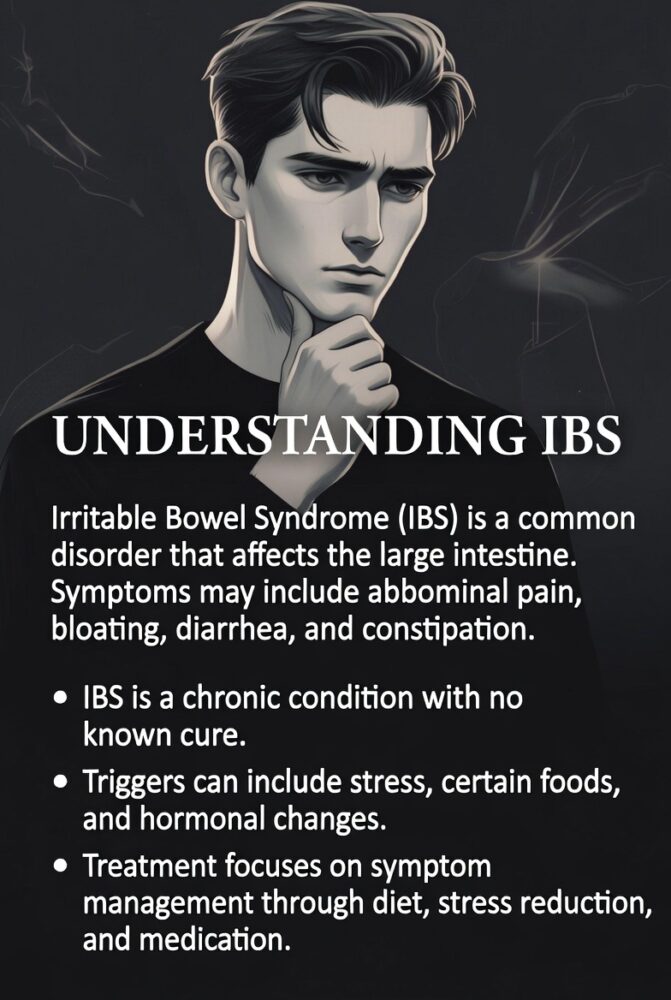
IIrritable Bowel Syndrome (IBS) is a common functional gastrointestinal disorder, meaning symptoms are present without visible structural damage to the digestive tract. It affects millions of people worldwide and can significantly impact quality of life.
IBS is characterised by a combination of digestive symptoms, which may include:
- Abdominal pain or cramping
- Bloating and excess gas
- Diarrhoea, constipation, or alternating between both
- Changes in stool appearance or frequency
- A feeling of incomplete bowel movements
Symptoms often vary from person to person and can fluctuate over time, with periods of flare-ups and calmer phases.
What Causes IBS?
The exact cause of IBS is still not fully understood, but research suggests it results from a combination of factors rather than a single issue. These may include:
| Possible Factor | How It May Affect IBS |
|---|---|
| Gut–Brain Axis Disruption | The digestive system and brain communicate constantly through nerves and hormones. In IBS, this communication can become dysregulated, making the gut more sensitive to normal digestive processes. |
| Altered Gut Motility | Food may move too quickly or too slowly through the intestines, contributing to diarrhea or constipation. |
| Visceral Hypersensitivity | People with IBS often have heightened sensitivity to gas and normal intestinal stretching, which can lead to pain and discomfort. |
| Stress and Emotional Factors | Stress, anxiety, and emotional strain can directly affect digestive function and trigger symptom flare-ups. |
| Gut Microbiome Imbalances | Changes in the balance of bacteria in the digestive tract may influence digestion, inflammation, and gut barrier function. |
How Exercise May Help Relieve IBS Symptoms

Although researchers are still exploring all the mechanisms, several well-supported physiological effects of exercise may explain why it benefits people with IBS. These Include a number of reasons which I will share below;
1️⃣ Improved Gut Motility
Physical activity stimulates the muscles of the digestive tract and can support the migrating motor complex, which helps move food and waste through the intestines. This may:
- Reduce constipation
- Improve bowel regularity
- Decrease feelings of sluggish digestion
Gentle movement can encourage more natural digestive rhythms without harsh stimulation.
2️⃣ Reduced Gut Sensitivity and Stress Response
IBS is closely tied to the gut–brain axis, the communication network between the brain and digestive system. Stress and anxiety can heighten gut sensitivity and worsen symptoms.
Exercise helps by:
- Lowering cortisol (stress hormone) levels
- Improving vagal tone (nerve communication between brain and gut)
- Releasing endorphins that improve mood
This stress-reducing effect may lessen abdominal pain, urgency, and discomfort.
3️⃣ Anti-Inflammatory Effects
While IBS is not classified as an inflammatory bowel disease, low-grade inflammation may contribute to symptoms in some individuals. Exercise is known to have systemic anti-inflammatory effects, which may help reduce gut irritation and bloating.
4️⃣ Positive Impact on the Gut Microbiome
Exercise has been associated with increased diversity of beneficial gut bacteria. Studies suggest physical activity may support microbes linked to:
- Improved gut barrier function
- Production of short-chain fatty acids (important for gut health)
- Reduced intestinal inflammation
A healthier microbiome may contribute to better digestion and symptom control.
Want to learn more about supporting your gut bacteria?
Alongside exercise, diet and lifestyle habits, some people explore probiotic and microbiome-support supplements. If you’re curious how these work and what to look for, you can read my in-depth microbiome supplement review here<<
👉 “Best Exercise for IBS Relief (Top Options)”
Not all exercise is equal when it comes to IBS. Moderate, consistent movement is usually more beneficial than extreme or high-intensity training.
| 👍 Recommended Options | Reason Why? |
|---|---|
| Walking: | Gentle and effective for stimulating digestion without stressing the body. |
| Yoga: | Combines movement, breathing, and stress reduction. Some research shows yoga can reduce IBS symptom severity. |
| Cycling: | Encourages circulation and gut motility at a manageable intensity. |
| Swimming: | Low-impact, full-body exercise that is easy on the digestive system. |
| Light Strength Training: | Supports hormone balance, metabolism, and stress resilience. |
When Exercise Might Worsen IBS Symptoms

While exercise can help, there are situations where it may temporarily aggravate symptoms.
This can happen when:
- Exercising immediately after large meals
- Being dehydrated
- Overtraining or doing very high-intensity workouts
- Training during a severe flare-up
- Performing high-impact activities that increase abdominal pressure
Listening to your body and adjusting intensity is key.
The Psychological Benefits of Exercise for IBS
Mental well-being plays a major role in IBS. Anxiety and stress can directly influence bowel function.
Exercise supports mental health by:
- Reducing anxiety and depressive symptoms
- Improving sleep
- Providing a sense of control and empowerment
- Acting as a healthy stress outlet
These psychological benefits may indirectly improve digestive symptoms.
Practical Tips for Starting an Exercise Routine with IBS
If you have IBS, starting gradually is important.
- Begin with 10–15 minutes of gentle activity
- Increase duration and intensity slowly
- Stay hydrated
- Avoid intense workouts during flare-ups
- Try exercising at least 30 minutes most days of the week
- Choose activities you enjoy to make it sustainable
Always consult a healthcare professional before starting a new exercise programme, especially if symptoms are severe.
Exercise as Part of a Complete IBS Management Plan
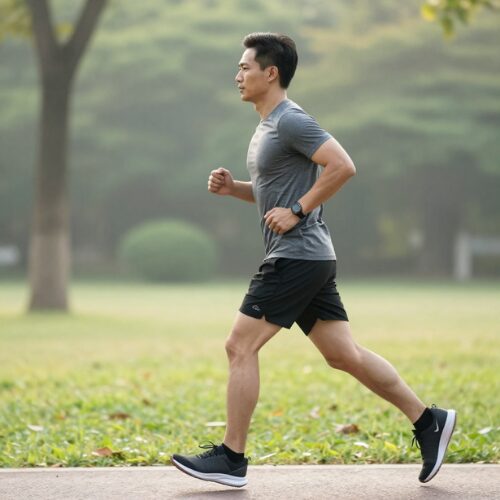
Exercise works best when combined with other supportive strategies such as:
- Dietary adjustments
- Stress management
- Adequate sleep
- Medical guidance where needed
It is a natural, accessible tool that empowers individuals to take an active role in symptom management.
Related FAQs
Can exercise really help IBS symptoms?
Regular, moderate exercise may help improve digestion, reduce bloating, support bowel regularity, and lower stress levels, all of which can influence IBS symptoms.
What is the best exercise for IBS relief?
Gentle, consistent activities such as walking, yoga, swimming, and light cycling are often well tolerated and may support digestive function without overloading the body.
Can exercise make IBS worse?
In some cases, very intense workouts, dehydration, or exercising during a flare-up may temporarily worsen symptoms. Listening to your body and adjusting intensity is important.
How often should someone with IBS exercise?
Many experts recommend aiming for about 30 minutes of moderate activity most days of the week, though starting slowly and building gradually is best.
Is walking good for IBS?
Yes, walking is one of the most accessible and gentle forms of exercise. It may stimulate digestion, reduce stress, and help regulate bowel movements.
Should I avoid exercise during an IBS flare-up?
Gentle movement like stretching or slow walking may still be helpful, but high-intensity workouts are often best avoided until symptoms settle.
Does exercise help IBS-related stress?
Yes. Physical activity can reduce stress hormones, improve mood, and support the gut–brain connection, which may indirectly improve digestive symptoms.
In Conclusion
Exercise is not a cure for IBS, but it may be a valuable and natural way to help manage symptoms. By supporting gut motility, reducing stress, improving microbiome balance, and enhancing overall well-being, regular physical activity can play a meaningful role in improving quality of life for people with IBS.
The key is consistency, moderation, and choosing the right type of movement for your body.
Please Note: This article is for educational purposes and is not a substitute for medical advice.

Fix Your Energy, Sleep and Nutrition Today 🛠
Get our 20-Step Healthy Living eBook, Daily Health Planner and our other bonuses sent to your inbox instantly. Start your journey with 7 days of exclusive gifts and expert tips to stay fit throughout 2026.
Disclaimer: We hate spam too. Unsubscribe anytime.

Anxiety and Depression BiOptimizers blood pressure supplements blood sugar control blood sugar support supplements digestive enzymes Digestive Enzymes Supplement Digestive Health digital products Dr Sam Robbins Gut Health Gut Health While Travelling Health Tips for Travelling Healthy Living heart health HFL how to lower blood sugar levels insulin resistance joint health supplement Keto keto dieting Keto Diet Weight Loss leaky gut supplements leptin resistance list magnesium Magnesium deficiency Matt Gallant mental health Nootropics Probiotics Probiotic Supplements proteolytic enzymes reverse type 2 diabetes stress and anxiety stress relief Supplements vitabalance vitapost Wade Lightheart weight loss articles weight loss diet plans weight loss product reviews weight loss supplements weight loss tea
About Author