
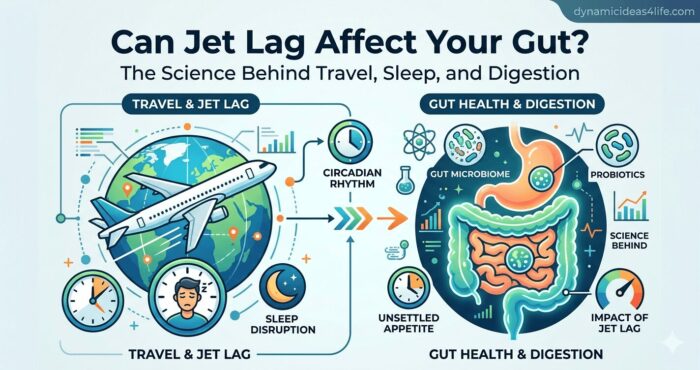
Can Jet Lag Affect Your Gut? The Science Behind Travel, Sleep, and Digestion
Can jet lag affect your gut? If you’ve ever felt bloated, constipated, or experienced stomach discomfort after a long-haul flight, the answer is yes.
Most people associate jet lag with fatigue, brain fog, and poor sleep. But digestive issues are one of the most overlooked — yet surprisingly common — side effects of traveling across time zones.
From changes in your gut microbiome to slower digestion and irregular bowel movements, jet lag can directly impact your digestive system.
In This Guide, You’ll Learn:
- How jet lag disrupts your gut microbiome
- Why digestion slows down during travel
- The connection between circadian rhythm and gut health
- Simple ways to reduce bloating, constipation, and discomfort
Understanding this connection can help you recover faster and protect your gut health when traveling internationally.
🧠 Can Jet Lag Affect Your Gut?
Yes — jet lag can affect your gut by disrupting your circadian rhythm, which controls digestion, metabolism, and gut bacteria activity.
This disruption can lead to:
- Bloating
- Gas
- Constipation or diarrhea
- Slower digestion
- Appetite changes
- Temporary gut microbiome imbalance
These effects are usually short-term, but they can last several days after long-distance travel.
⏰ How Your Gut and Circadian Rhythm Are Connected

Your body runs on a natural 24-hour internal clock known as your circadian rhythm.
This internal system regulates:
- Sleep cycles
- Hormone release
- Metabolism
- Immune function
- Digestive activity
What many people don’t realise is that your gut microbiome also follows a daily rhythm.
Beneficial gut bacteria change their activity levels depending on:
- Time of day
- Meal timing
- Sleep patterns
When you travel across time zones, this finely tuned system becomes misaligned, which can disrupt digestion.
🔬 What Happens to Your Gut During Jet Lag
Jet lag occurs when your internal body clock is out of sync with your new environment. This can affect your gut in several key ways:
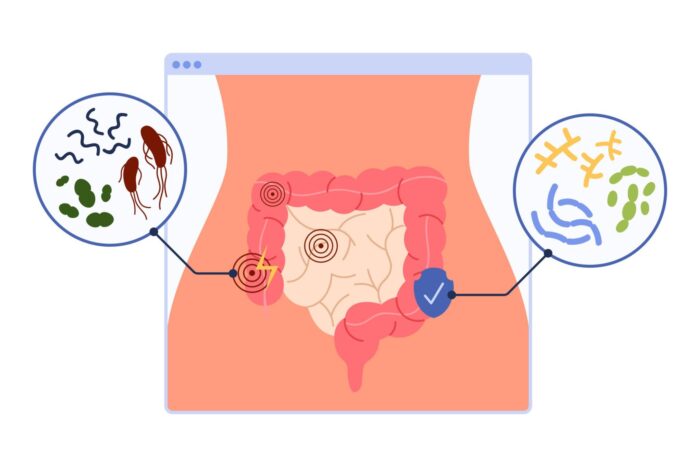
1. Changes in Gut Bacteria
Research shows that sleep disruption and irregular eating patterns can temporarily alter your gut microbiome.
This may lead to:
- Increased gas production
- Slower digestion
- Changes in bowel habits
- Reduced microbial diversity
Even short-term disruption can result in noticeable digestive symptoms.
2. Slower Digestive Motility
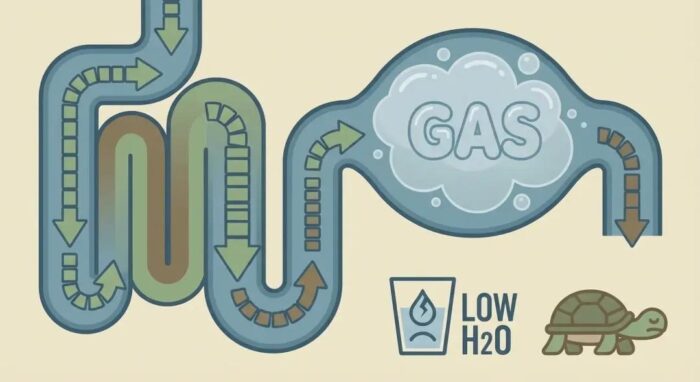
Your digestive system works on a natural rhythm. During sleep, your gut carries out important repair and maintenance processes.
When your sleep cycle is disrupted:
- Gut motility slows down
- Constipation becomes more likely
- Food stays in the digestive tract longer
This can increase fermentation in the gut, leading to bloating and discomfort.
3. Increased Stress Hormones

Travel can be stressful — and sleep deprivation only makes this worse.
This increases levels of cortisol, your body’s main stress hormone.
High cortisol levels can:
- Reduce stomach acid production
- Slow digestion
- Increase intestinal permeability
- Worsen symptoms in people with IBS
This is one of the key reasons why your stomach may feel unsettled after flying.
4. Disrupted Meal Timing
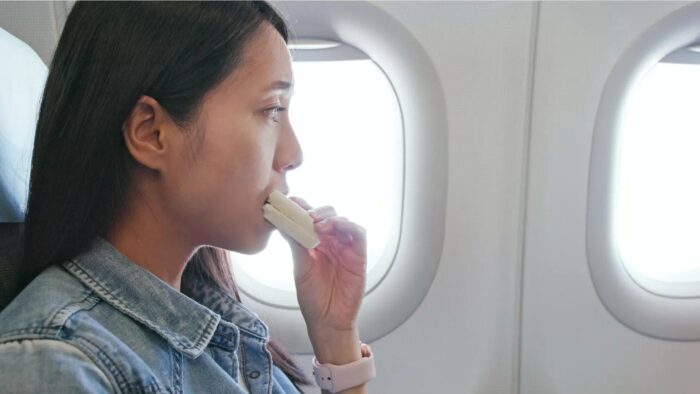
Jet lag often leads to eating at unusual times — late at night or very early in the morning.
This can:
- Confuse digestive signals
- Reduce enzyme efficiency
- Make digestion less effective
👉 If you struggle with this, it’s worth planning meals in advance.
You can read more here: What to Eat Before a Long-Haul Flight for Better Digestion
Common Digestive Symptoms Linked to Jet Lag
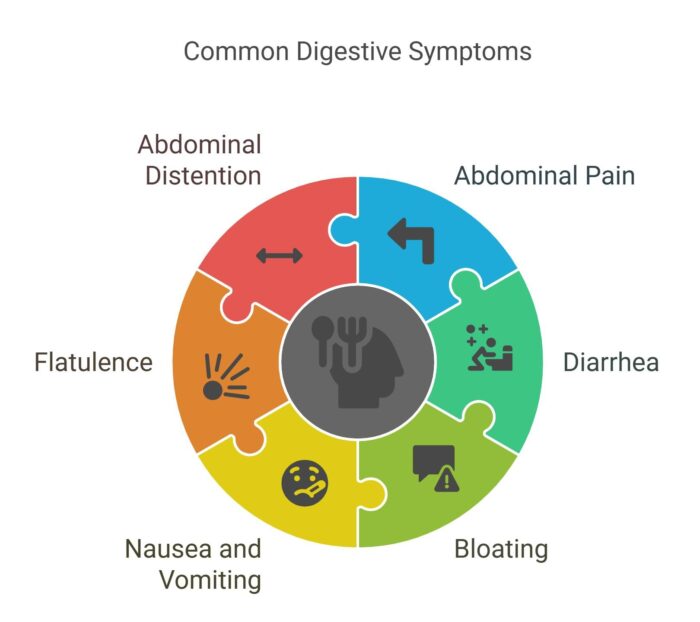
If you’ve experienced gut issues after flying, you’re not alone.
Common symptoms linked to jet lag include:
- Bloating
- Gas
- Constipation
- Diarrhea
- Indigestion
- Loss of appetite
👉 These symptoms typically improve as your body adjusts — usually within 3 to 5 days..
🧩 Can Jet Lag Affect the Gut-Brain Axis?
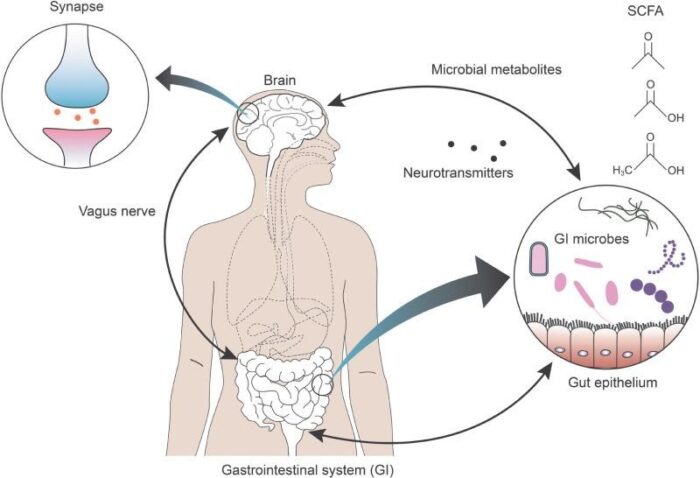
Your gut and brain are closely connected through something called the gut-brain axis.
This communication system links your digestive system with your:
- Mood
- Sleep quality
- Energy levels
- Immune function
When your gut microbiome is disrupted by jet lag, it can affect:
- Mental clarity
- Mood stability
- Sleep patterns
This explains why digestive issues and fatigue often go hand in hand after long flights.
🧪 Evidence Snapshot
Scientific research suggests that circadian disruption can negatively affect gut bacteria and digestion.
Studies from organisations such as ScienceDirect.com and GastroJournal.org show that:
- Sleep disruption alters microbiome composition
- Irregular eating patterns impact digestion
- Circadian misalignment affects metabolic health
While more research is ongoing, the connection between jet lag and gut health is well supported.
How to Protect Your Gut When Traveling Across Time Zones
The good news? There are simple strategies you can use to reduce digestive issues when traveling.
1. Adjust Sleep Patterns Before Travel

Gradually shifting your sleep schedule by even 1 hour per day before your trip can help reduce jet lag.
2. Stay Hydrated During Flights
Airplane cabins are extremely dry, which can lead to dehydration.
👉 Drinking water regularly helps:
- Maintain gut function
- Support digestion
- Reduce constipation
3. Eat Light Meals During Travel

Heavy meals can overload your digestive system when it’s already under stress.
Focus on:
- Lean protein
- Light carbohydrates
- Vegetables
👉 If bloating is an issue, read: How to Avoid Bloating on Flights
4. Support Your Microbiome
Many frequent travelers use probiotics to support gut health during travel.
Probiotics may help:
- Maintain microbial balance
- Reduce digestive discomfort
- Support immune function
👉 Learn more here: Choosing the Best Probiotics for Long Flights & Jet Lag
5. Get Natural Sunlight After Arrival

Sunlight is one of the most powerful ways to reset your circadian rhythm.
👉 Spending time outdoors can:
- Support digestion
- Help your body adjust faster
- Improve sleep quality
💊 Travel Gut Support Stack (Optional)
If you frequently experience digestive issues when traveling, certain supplements may help support your gut.
A simple travel-friendly stack may include:
- Probiotics – for microbiome balance
- Digestive enzymes – to help break down unfamiliar foods
- Magnesium – to support relaxation and bowel regularity
👉 You can explore this further here: Best Gut Health Supplements for Frequent Travelers
⏳ How Long Does Jet Lag Affect the Gut?
For most healthy travelers, digestive changes caused by jet lag improve as the body adjusts to the new time zone.
Typical timelines include:
- Jet lag symptoms: 3–5 days
- Digestive adjustment: 3–14 days
- Microbiome stabilization: several weeks
Maintaining good hydration, regular meals, and adequate sleep can speed recovery.
Further Reading: Gut Health While Travelling
- Preventing Traveler’s Diarrhea Naturally
- Best Probiotics for Long Flights & Jet Lag
- Best Probiotics for Travel & Flying (Buyer’s Guide)
- Digestive Enzymes for Travel
- How To Maintain Gut Health While Flying Internationally
- Best Gut Health Supplements For Frequent Travelers
- What’s Inside The BioOptimizers Travel Stack
- How To Prepare Your Gut Before Traveling
- How To Reset Your Gut After Travel
- Best Foods for Gut Health While Traveling
- What to Eat Before a Long Haul Flight
- How to Avoid Bloating on Flights
- IBS and International Travel
- Best Probiotic and Enzyme Supplements
- Probiotic Breakthrough (P3OM) Review
- Masszymes Review
- Microbiome Breakthrough Review
- HCL Breakthrough Review
- Magnesium Breakthrough Review
- Stress Guardian Review
- Berberine Breakthrough Review
- KApex Keto Activar Review
- Gluten Guardian Review
- BiOptimizers Herbal Power Flush Review
- BiOptimizers Para Guardian Review
- Who Are Bioptimizers?

Fix Your Energy, Sleep and Nutrition Today 🛠
Get our 20-Step Healthy Living eBook, Daily Health Planner and our other bonuses sent to your inbox instantly. Start your journey with 7 days of exclusive gifts and expert tips to stay fit throughout 2026.
Disclaimer: We hate spam too. Unsubscribe anytime.
Related FAQs
How long does jet lag affect digestion?
Most digestive symptoms improve within 3–5 days, although gut microbiome changes may take longer to stabilise.
Why does flying cause bloating?
Cabin pressure, dehydration, and slower digestion can lead to gas buildup and bloating.
Can probiotics help with jet lag?
Yes, probiotics may support gut balance during travel, especially when combined with good sleep and hydration habits.
Does jet lag affect IBS?
Yes, jet lag can worsen IBS symptoms due to stress, disrupted digestion, and microbiome changes.
🏁 Final Takeaway
Jet lag doesn’t just affect your sleep — it can also disrupt your gut.
Changes in circadian rhythm, stress hormones, hydration, and meal timing can all contribute to digestive issues after long-distance travel.
The good news is that with simple strategies like hydration, balanced meals, sleep adjustment, and microbiome support, you can reduce symptoms and recover faster.
With the right preparation, you can travel with more energy, better digestion, and far fewer stomach problems.





Anxiety and Depression are you magnesium deficient BiOptimizers blood pressure supplements blood sugar control blood sugar support supplements digestive enzymes Digestive Enzymes Supplement Digestive Health digital products Dr Sam Robbins Gut Health Gut Health While Travelling Health Tips for Travelling Healthy Living heart health HFL hypomagnesia insulin resistance joint health supplement keto dieting Keto Diet Weight Loss leaky gut supplements list Low Stomach Acid magnesium Magnesium deficiency Matt Gallant mental health multivitamins Nootopia Nootropics Probiotics Probiotic Supplements reverse type 2 diabetes stress and anxiety stress relief Supplements vitapost Wade Lightheart weight loss articles weight loss diet plans weight loss product reviews weight loss supplements weight loss tea

Alex Chivers writes about natural health, nutrition, and lifestyle wellness at Dynamic Ideas 4 Life. His mission is to help readers discover practical, evidence-based ways to feel better, live healthier, and take control of their wellbeing — naturally.