

5 Minute Morning Mindfulness: Simple Practices
Morning Mindfulness is the practice of intentionally focusing on the present moment at the start of the day to reduce stress, improve focus, and create a calm, balanced mindset.
In today’s fast‑paced world, many people wake up already feeling stressed, their minds racing through to‑do lists before they even leave their beds. 5 Minute Morning Mindfulness is a practice that has gained popularity in recent years, and for good reason.
Starting your day with mindfulness can have a profound impact on your overall well-being.
Mindfulness quite simply put can help with many different things. It can;
- reduce stress,
- improve focus
- Boost concentration,
- and increase feelings of gratitude and contentment.
So, rather than trying to control your thoughts or force yourself to relax, mindfulness simply encourages you to notice the present moment without judgment.
Over time, this small daily habit can transform not only your mornings, but also how you respond to stress throughout the day.
Who Is Morning Mindfulness For?

This simple practice is ideal if you:
- Feel rushed or overwhelmed in the mornings
- Want to reduce stress without long meditation sessions
- Are new to mindfulness and don’t know where to start
- Want a routine that’s realistic and easy to stick to
If you can spare five minutes, you can practise morning mindfulness.
Benefits of 5 Minute Morning Mindfulness
Practising mindfulness in the morning can help you:
- Reduce stress and mental overwhelm
- Improve focus and concentration
- Feel calmer and more emotionally balanced
- Cultivate gratitude and a positive mindset
Slow, intentional practices such as breathing and mindful movement help activate your body’s relaxation response, allowing you to start the day from a calmer, clearer place.
Easy 5-Minute Breathing Exercises
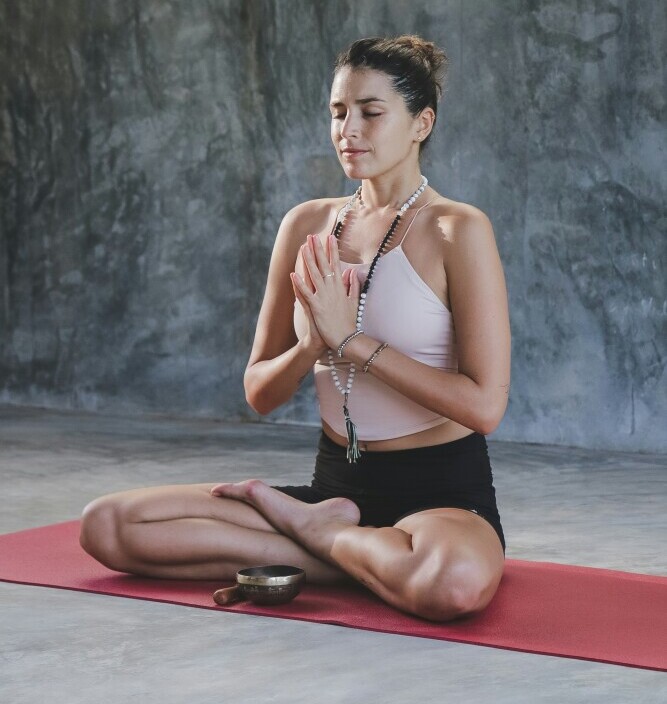
One of the easiest and most effective ways to practise morning mindfulness is through focused breathing. Spending just five minutes paying attention to your breath can calm your nervous system, reduce stress, and help you feel more relaxed and clear-headed.
4-7-8 Breathing Technique
This popular breathing exercise involves:
- Inhaling through your nose for 4 counts
- Holding your breath for 7 counts
- Exhaling slowly through your mouth for 8 counts
Repeating this cycle a few times can slow your heart rate and promote a deep sense of calm.
Diaphragmatic (Belly) Breathing
Diaphragmatic breathing focuses on breathing deeply into your belly rather than taking shallow breaths into your chest. As you inhale, allow your abdomen to expand, then slowly exhale. This signals to your body that it’s safe to relax and helps release physical tension.
You can practise these breathing exercises while sitting up in bed, seated in a chair, or standing by an open window.
Prefer a Guided Option?
If you find it easier to stay focused with guidance, the 7 Minute Mindfulness routine provides a short, structured audio session designed to calm your mind and ease you into the day.
Mindful Stretching and Movement for the Morning

Mindful Movement is another powerful way to ease into your day. Gentle stretching helps release stiffness from sleep, improves circulation, and brings awareness to your body.
Yoga is a popular choice for morning mindfulness because it combines movement with breath awareness. However, you don’t need to follow a full yoga routine to benefit.
Simple stretches such as reaching your arms overhead, gently twisting your torso, or touching your toes can help wake up both your body and mind.
Practices like tai chi or qigong are also excellent options. Their slow, flowing movements encourage balance, relaxation, and mental focus.
Even just a few mindful stretches can help you feel more present, energised, and connected to your body.
Gratitude Journaling

Gratitude Journaling is a powerful morning mindfulness practice that can shift your mindset in a positive way. Taking a few minutes to write down what you’re grateful for helps redirect your focus from stress or worries to appreciation and abundance.
Regular gratitude practices have been linked to improved mood, greater emotional resilience, and reduced stress. By acknowledging even small moments of gratitude, you begin the day with a more optimistic outlook.
To get started, write down three things you’re grateful for each morning. These might include supportive relationships, moments of comfort, or simple pleasures like a warm cup of coffee or a peaceful sunrise. Over time, this practice can help cultivate a deeper sense of contentment and joy.
Many people find Guided Mindfulness Routines helpful for building consistency. The 7 Minute Mindfulness Program combines relaxation and mental clarity in a short daily session that fits easily into busy mornings.
Mindful Morning Tea or Coffee Ritual

For many people, tea or coffee is a cherished part of the morning routine. When approached mindfully, this daily habit can become a calming ritual rather than something that is rushed.
So, Instead of drinking your beverage on autopilot, take a moment to slow down. Notice the aroma, the warmth of the cup in your hands, and the flavour of each sip. Allow yourself to be fully present during this small moment of comfort.
You can also use this time to reflect on something you’re grateful for or set a gentle intention for the day ahead.
By bringing Mindfulness into your morning drink, you create a peaceful pause before the busyness begins.
Setting Daily Intentions In The Morning
Setting Intentions is an important part of Morning Mindfulness. An intention acts as a guiding principle for how you want to feel or behave throughout the day.
Take a few quiet moments to reflect on what matters most to you. Your intention might be something simple, such as:
- Stay patient
- Be present
- Focus on what I can control
- Approach today with kindness
Setting an intention doesn’t mean your day will be perfect, but it can help you respond more thoughtfully to challenges as they arise.
A Mindful Morning Walk for Calm and Clarity

A Mindful Morning Walk is a wonderful way to connect with both your body and the natural world. Whether it’s a short stroll around your neighbourhood or a longer walk in nature – moving outdoors can greatly support your mental and physical well-being.
As you walk, bring your attention to your surroundings. Notice the feeling of the ground beneath your feet, the sounds around you, and the rhythm of your breath.
If possible, leave your phone behind or keep it on silent to minimise distractions.
Approaching your walk with mindfulness can help clear your mind, boost your mood, and leave you feeling more grounded and refreshed.
Final Thoughts: Start Your Day With Intention
Even just 5 Minutes of Morning Mindfulness can transform how your day unfolds. By incorporating simple practices such as breathing exercises, gentle movement, gratitude journaling, mindful tea or coffee rituals, setting intentions, and mindful walks, you can start your day feeling calmer, more focused, and more present.
Morning mindfulness helps reduce stress, increase clarity, and cultivate a greater sense of gratitude and balance. By making it a small but consistent part of your routine, you create space for calm and intention — even on the busiest of days.
If you’d like extra support building a mindful morning habit, the 7 Minute Mindfulness routine offers a guided, easy‑to‑follow way to relax your mind and reset your focus before the day begins.
👉 Explore the 7 Minute Mindfulness routine here<<

Related FAQs
What is Morning Mindfulness?
Morning mindfulness is the practice of bringing focused awareness to the present moment at the start of the day. It often includes activities such as mindful breathing, gentle movement, gratitude, or setting intentions to help reduce stress and improve focus.
How long should morning mindfulness take?
Morning mindfulness can be as short as five minutes. Even brief, consistent practices can positively impact your mood, clarity, and overall well-being.
Can beginners practise morning mindfulness?
Yes, morning mindfulness is suitable for beginners. Simple practices like breathing exercises, mindful stretching, or enjoying a cup of tea or coffee with awareness are easy ways to start.
Do I need to meditate to practise mindfulness in the morning?
No, meditation is not required. Mindfulness can be practised through everyday activities such as walking, journaling, stretching, or breathing consciously.
What are the benefits of morning mindfulness?
Morning mindfulness may help reduce stress, improve concentration, increase emotional balance, and create a calmer, more intentional start to the day.







Fix Your Energy, Sleep and Nutrition Today 🛠
Get our 20-Step Healthy Living eBook, Daily Health Planner and our other bonuses sent to your inbox instantly. Start your journey with 7 days of exclusive gifts and expert tips to stay fit throughout 2026.
Disclaimer: We hate spam too. Unsubscribe anytime.
Anxiety and Depression BiOptimizers blood pressure supplements blood sugar control blood sugar support supplements cognitive function digestive enzymes Digestive Enzymes Supplement digital products Dr Sam Robbins Gut Health Gut Health While Travelling Health Tips for Travelling Healthy Living heart health HFL how to lower blood sugar levels insulin resistance joint health supplement Keto keto dieting Keto Diet Weight Loss leaky gut supplements list magnesium Magnesium deficiency Matt Gallant mental health multivitamins Nootopia Nootropics Probiotics Probiotic Supplements reverse type 2 diabetes stress and anxiety stress relief Supplements vitabalance vitapost Wade Lightheart weight loss articles weight loss diet plans weight loss product reviews weight loss supplements weight loss tea
About Author

Similar Posts
14 Amazing Benefits of Zeolite Clinoptilolite For Health and Wellness
READ LATER – DOWNLOAD THIS POST AS PDF >> CLICK HERE Benefit #1 – Removes Toxins From the Body Zeolite Clinoptilolite has the ability to trap and remove toxins from the body, including heavy metals, pesticides, and other harmful chemicals. The more common heavy metals that are toxic to us include lead, arsenic, cadmium, and mercury…






Hey, great post! I am sure this is one that many people could benefit from reading. I have always struggled with relaxing, and my breathing is not the best, so it is nice to read and recap what I should be doing.
Thanks for the tips 🙂
Thanks Luke, glad to be able to help.