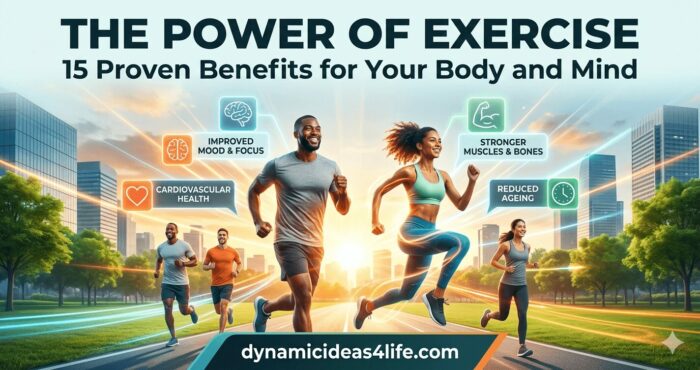
The Power of Exercise: 15 Proven Benefits for Your Body and Mind
Exercise is one of the most powerful tools you have to improve your health — yet it’s often overlooked or overcomplicated.
Whether your goal is to lose weight, boost energy, improve digestion, or simply feel better day-to-day, regular exercise can completely transform both your body and your mind.
The truth is… fitness doesn’t need to be complicated.
In this guide, we’ll break down:
- ✔ The real benefits of exercise (backed by science)
- ✔ The different types of workouts and how they help
- ✔ A simple way to build a routine that actually sticks
If you’ve ever struggled to stay consistent or wondered where to start — this is for you.
Quick Summary: Why Exercise Matters
💡 Regular exercise can:
- Improve heart health and circulation
- Boost mood and reduce stress
- Support weight management
- Strengthen muscles and bones
- Reduce the risk of chronic disease
Even small amounts of movement done consistently can have a powerful impact over time.
What Are the Benefits of Exercise?

1. Improves Physical Health
Your body is designed to move — and when it does, everything works better.
Regular exercise helps:
- Strengthen muscles and improve endurance
- Improve cardiovascular health
- Increase lung capacity and oxygen efficiency
- Support joint mobility and flexibility
Over time, this leads to better energy levels, improved posture, and overall physical resilience.
2. Supports Heart Health
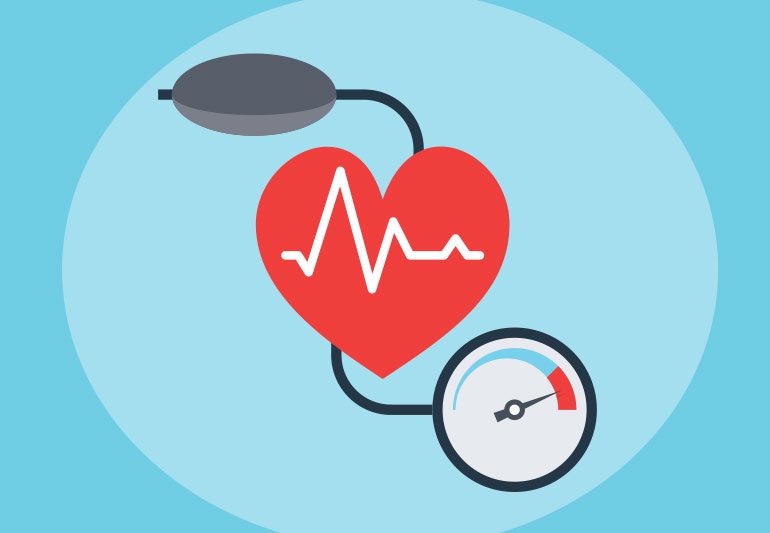
Your heart is a muscle — and like any muscle, it gets stronger with use.
Exercise helps:
- Improve blood circulation
- Lower blood pressure
- Reduce bad cholesterol (LDL)
- Increase good cholesterol (HDL)
This significantly lowers the risk of heart disease and stroke.
3. Helps Prevent Chronic Diseases

One of the most powerful benefits of exercise is disease prevention.
Regular physical activity has been shown to reduce the risk of:
- Type 2 diabetes
- Obesity
- Cardiovascular disease
- Metabolic syndrome
Exercise improves insulin sensitivity, helping your body regulate blood sugar more effectively.
4. Boosts Mental Health and Mood

Exercise isn’t just physical — it’s one of the best things you can do for your mind.
When you exercise, your body releases endorphins (your “feel-good” hormones), which can:
- Reduce stress and anxiety
- Improve mood
- Help combat depression
- Increase overall sense of wellbeing
👉 Even a 20-minute walk can make a noticeable difference.
5. Enhances Brain Function

Regular movement improves blood flow to the brain, which can:
- Improve memory
- Increase focus and concentration
- Support cognitive function
- Reduce risk of cognitive decline
Exercise is often referred to as “brain food” for a reason.
Types of Exercise (And Why You Need All 4)
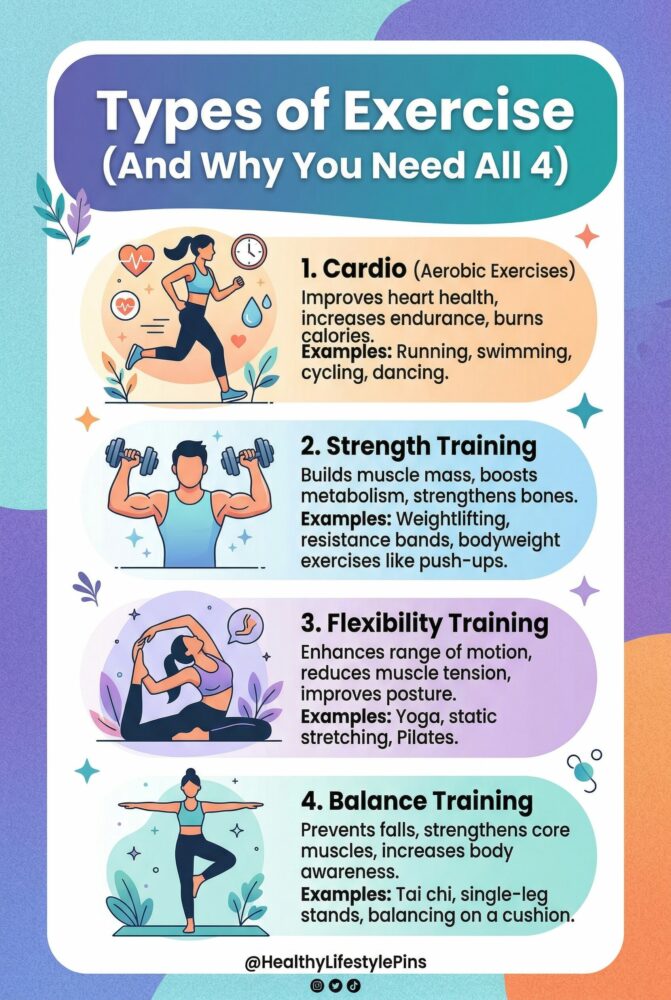
A well-rounded fitness routine includes a mix of different types of exercise.
1. Cardio (Aerobic Exercise)
Examples: walking, running, cycling, swimming
Best for: Heart health, fat loss, endurance
Cardio increases your heart rate and improves cardiovascular fitness. It’s one of the simplest and most effective ways to improve overall health.
2. Strength Training
Examples: weightlifting, resistance bands, bodyweight exercises
Best for: Muscle building, metabolism, bone strength
Strength training helps:
- Build lean muscle
- Improve metabolism
- Support joint stability
- Strengthen bones
3. Flexibility Training
Examples: yoga, stretching, mobility work
Best for: Injury prevention, posture, recovery
Flexibility exercises improve your range of motion and help your body move more efficiently.
4. Balance Training
Examples: single-leg exercises, yoga, tai chi
Best for: Stability, coordination, injury prevention
Balance becomes increasingly important with age and helps prevent falls and injuries.
How to Start Exercising (Simple Beginner Plan)

If you’re new to exercise, keep it simple and realistic.
Beginner Weekly Routine Example
- Day 1: Full body workout + light cardio
- Day 2: Walking or cycling
- Day 3: Strength training
- Day 4: Rest or stretching
- Day 5: Cardio
- Day 6: Light activity (walking, yoga)
- Day 7: Rest
👉 The key is consistency — not perfection.
Understanding the FITT Principle (Simple Version)
The FITT principle helps you structure your workouts effectively:
- Frequency: 3–5 times per week
- Intensity: Moderate (you can talk, but not sing)
- Time: 20–45 minutes
- Type: Mix of cardio + strength
Adjust these based on your goals and fitness level.
Common Exercise Mistakes to Avoid
Avoid these common pitfalls:
❌ Doing too much too soon (leads to burnout or injury)
❌ Skipping warm-ups and recovery
❌ Only doing cardio (ignoring strength training)
❌ Poor nutrition and hydration
❌ Lack of consistency
👉 Progress comes from consistency over time — not intensity alone.
How to Stay Consistent With Exercise

Consistency is where most people struggle — but it’s also where results happen.
Here’s what works:
✔ Start small and build gradually
✔ Choose activities you enjoy
✔ Set realistic goals
✔ Track your progress
✔ Build it into your routine
👉 The best workout is the one you can stick to.
Support Your Fitness Results Naturally
While exercise is the foundation, supporting your body properly can make a big difference.
For example:
- Magnesium → supports muscle recovery, sleep, and relaxation
- Protein → helps repair and build muscle
- Digestive support → helps your body absorb nutrients efficiently
👉 Combining smart training with proper nutrition and recovery can significantly improve your results over time.
Final Takeaway

Exercise is not just about looking better — it’s about feeling better, moving better, and living healthier.
By combining:
- Regular movement
- A balanced routine
- Consistency over time
You can dramatically improve both your physical and mental wellbeing.
The most important step?
👉 Just get started.
Even small changes today can lead to powerful results tomorrow.