Fuel Your Brain: The Ultimate Self-Care Foods for Mental Wellness
In today’s fast-paced world, mental health and cognitive well-being are more important than ever. Many people are looking for natural ways to boost focus, reduce stress, and support overall brain function. One powerful approach? Eating the right self care foods for mental wellness.
In this guide, we’ll explore the connection between nutrition and mental health, the top brain-boosting foods to include in your diet, easy ways to incorporate them into your meals, and delicious recipes that support mental clarity and overall well-being.
The Role of Nutrition in Mental Health

The food you eat directly affects your brain function, mood, and mental clarity. Scientific research shows that certain nutrients can significantly impact cognitive performance and emotional health.
- Omega-3 fatty acids: Found in fatty fish like salmon and mackerel, these essential fats are linked to lower rates of depression and anxiety.
- Antioxidants: Fruits, vegetables, and berries combat oxidative stress and inflammation in the brain, which can contribute to mental health disorders.
- Vitamins and minerals: A balanced intake of vitamins (like B-vitamins, vitamin D) and minerals (magnesium, zinc) supports neurotransmitter production and overall cognitive function.
Eating a well-rounded, nutrient-rich diet is a foundational step in improving mental wellness.
Top Self-Care Foods for Mental Wellness

Here are some of the most effective foods to include in your mental health-focused diet:
1. Dark Leafy Greens
Spinach, kale, and Swiss chard are packed with folate, a B-vitamin linked to improved mood and a reduced risk of depression. They also contain antioxidants that help protect brain cells from damage.
2. Fatty Fish
Salmon, sardines, and trout are rich in omega-3 fatty acids, which can enhance cognitive function and decrease symptoms of depression and anxiety.
3. Nuts and Seeds
Walnuts, flaxseeds, and chia seeds are excellent sources of healthy fats, protein, and minerals that support brain health. Regular consumption may improve memory and overall mental clarity.
4. Berries
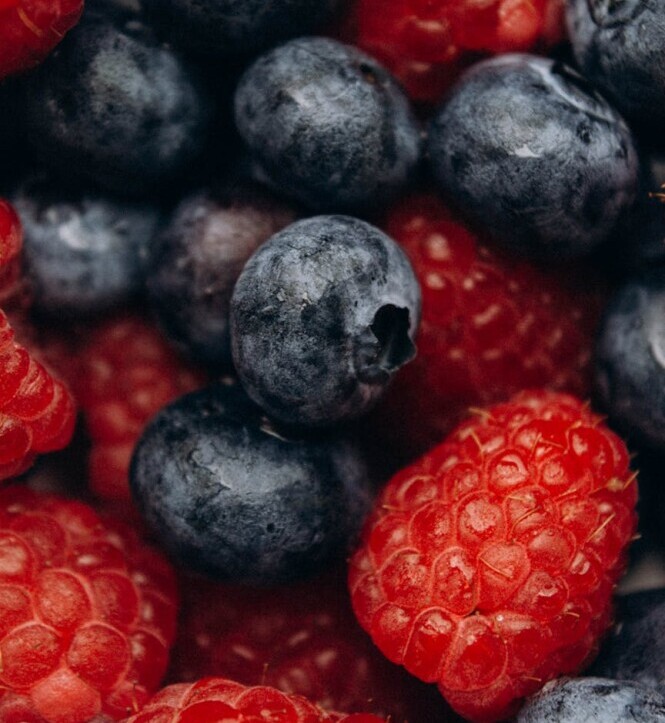
Blueberries, strawberries, and raspberries are loaded with antioxidants like flavonoids, which help reduce oxidative stress in the brain and promote mental sharpness.
5. Other Mental Wellness Foods
- Dark chocolate (in moderation) for mood-boosting flavonoids
- Whole grains for steady energy and brain fuel
- Legumes like lentils and chickpeas for protein and fiber
How to Incorporate These Foods into Your Diet
Adding brain-boosting foods into daily meals doesn’t have to be complicated. Here are some simple ideas:
- Desserts: Make chia seed puddings with coconut milk and fresh berries for a sweet, brain-friendly treat.
- Smoothies: Blend leafy greens with berries, chia seeds, and almond milk for a nutrient-packed breakfast.
- Salads: Toss kale or spinach with avocado, nuts, and a citrus vinaigrette.
- Grilled or baked fatty fish: Serve with a side of roasted vegetables or quinoa.
- Snacks: Sprinkle walnuts, flaxseeds, or pumpkin seeds over oatmeal, yogurt, or smoothie bowls.
Recipes and Meal Ideas for Mental Wellness

Here are a few practical meals to help support mental clarity:
- Breakfast: Green smoothie bowl with spinach, blueberries, chia seeds, and granola
- Lunch: Grilled salmon salad with mixed greens, avocado, and citrus vinaigrette
- Dinner: Quinoa salad with roasted vegetables and flaxseed topping
- Snack/Dessert: Chia pudding with coconut milk and fresh berries
These meals are easy to prepare, nutrient-dense, and designed to nourish your brain while keeping your taste buds happy.
Other Self-Care Practices for Mental Wellness

While diet is crucial, it’s only one piece of the puzzle. Other practices that support mental well-being include:
- Regular physical activity – improves mood, reduces stress, and boosts brain function
- Mindfulness techniques – meditation, yoga, and deep breathing exercises reduce anxiety
- Quality sleep – essential for memory, focus, and emotional regulation
- Social support – connecting with friends, family, or mental health professionals enhances resilience
Combining these habits with a brain-healthy diet can maximize your mental wellness.
Conclusion and Final Thoughts
Self-care foods are more than just nutritious—they are powerful tools for supporting mental wellness. Incorporating dark leafy greens, fatty fish, nuts, seeds, and berries into your daily meals can help improve mood, enhance cognitive function, and reduce the risk of mental health disorders.
Pair these foods with regular exercise, stress management, sufficient sleep, and social support to take a holistic approach to mental well-being. By prioritizing both diet and lifestyle, you can fuel your brain, boost clarity, and live a more balanced, fulfilling life.
Related FAQs
What are the best foods for mental clarity?
The best foods for mental clarity include dark leafy greens, fatty fish, berries, nuts, seeds, and whole grains. These foods provide essential nutrients like omega-3 fatty acids, antioxidants, and B-vitamins that support brain function, focus, and cognitive performance.
How does diet affect mental health?
Diet affects mental health by influencing brain chemistry, inflammation, and neurotransmitter production. Nutrient-rich foods help regulate mood, reduce stress, and support cognitive function, while highly processed foods may contribute to brain fog and low energy.
Can certain foods help reduce stress and anxiety?
Yes, certain foods can help reduce stress and anxiety. Foods rich in omega-3 fatty acids, magnesium, and antioxidants—such as salmon, walnuts, berries, and leafy greens—support the nervous system and help lower stress-related inflammation.
How quickly can food improve mental clarity?
Some people notice improved mental clarity within a few days of eating nutrient-dense foods, while others may see benefits within 2–4 weeks. Consistency, overall diet quality, sleep, and stress levels all influence how quickly results appear.
Are self-care foods enough to improve mental wellness?
Self-care foods support mental wellness but work best alongside healthy lifestyle habits. Regular exercise, adequate sleep, stress management, and social support are essential for long-term mental health improvement.
What foods should I avoid for better mental clarity?
For better mental clarity, limit highly processed foods, excess sugar, refined carbohydrates, and trans fats. These foods may contribute to inflammation, energy crashes, and reduced focus.
Are brain-boosting foods suitable for daily consumption?
Yes, brain-boosting foods like vegetables, berries, nuts, seeds, and healthy fats are safe and beneficial for daily consumption when eaten as part of a balanced diet.
What is the best breakfast for mental clarity?
A balanced breakfast for mental clarity includes protein, healthy fats, and complex carbohydrates. Examples include a smoothie with leafy greens and berries, oatmeal with nuts and seeds, or eggs with vegetables and whole-grain toast.
Do supplements work the same as brain-healthy foods?
Supplements can help in specific cases, but whole foods are generally more effective because they provide a combination of nutrients, fibre, and antioxidants that work together to support brain health naturally.
Can improving mental clarity help overall well-being?
Yes, improving mental clarity can enhance productivity, emotional balance, and overall quality of life. Clear thinking supports better decision-making, stress management, and long-term mental resilience.







Claim Your Free 7-Day Health and Wellness Tool Kit 🛠
Get our 20-Step Healthy Living eBook, Daily Health Planner and our other bonuses sent to your inbox instantly. Start your journey with 7 days of exclusive gifts and expert tips to stay fit throughout 2026.
Disclaimer: We hate spam too. Unsubscribe anytime.
Anxiety and Depression BiOptimizers blood pressure supplements blood sugar control blood sugar support supplements cognitive function digestive enzymes digital products Dr Sam Robbins Exercise Gut Health Gut Health While Travelling Health Tips for Travelling Healthy Living heart health HFL how to lower blood sugar levels How To Lower Cholesterol insulin resistance joint health supplement keto dieting Keto Diet Weight Loss leaky gut supplements list Magnesium deficiency Matt Gallant mental health multivitamins Nootopia Nootropics Probiotics Probiotic Supplements proteolytic enzymes reverse type 2 diabetes stress and anxiety stress relief Supplements vitabalance vitapost Wade Lightheart weight loss articles weight loss diet plans weight loss product reviews weight loss supplements weight loss tea
About Author