
Health Disclaimer:
This article is for informational purposes only and does not constitute medical or professional fitness advice. Always consult with a qualified healthcare provider or fitness professional before starting any new exercise program, especially if you have existing health conditions or injuries.
How To Set Realistic Gym Goals (With Examples)
If you’ve ever walked into the gym feeling motivated but unsure where to start, then you’re not alone. Learning how to set realistic gym goals is one of the most important steps you can take towards transforming your fitness journey.
Whether you’re a complete beginner, or someone returning after a long break, clear, achievable goals can keep you focused, confident, and consistent.
Setting gym goals isn’t just about saying you want to “get fitter” or “lose weight.” It’s about building a structured plan that aligns with your lifestyle, abilities, and long-term expectations.
In this guide, we’ll break down how to set realistic gym goals in a way that feels manageable—not overwhelming.
You’ll discover practical examples, simple frameworks, and actionable steps that make your goals not only realistic, but enjoyable to work towards.
Why Planning Ahead For The Gym Is Important

Hitting the gym without a clear idea of what you want to achieve is like trying to navigate a new city without a map. Realistic gym goals are your roadmap to success. Simply put, these goals help keep your fitness journey on track and make every session meaningful.
Before jumping into fitness goals, knowing your why is crucial. Whether your goal is:
- building muscle,
- losing weight, or
- just feeling healthier,
Understanding your underlying motivation helps shape your goals and keeps you committed—even on days when the sofa and Netflix seem more appealing.ill guide what goals you set. This purpose keeps you motivated, even when those Netflix marathons seem tempting.
Don’t Run Before You Can Walk
Setting goals that are too ambitious can backfire, leading to disappointment, burnout, or injury. Many of us have expected a six–pack in two weeks—but we must be realistic.
Breaking big dreams into smaller, achievable steps prevents frustration and keeps your fitness journey sustainable.
For example:
- Losing 10 lbs in a month? Tempting, but not sensible. 1–2 lbs per week is healthier and more achievable.
- Deadlifting 300 lbs as a beginner? Impressive, but unrealistic. Focus on gradual progress and safe lifting techniques first.
The key is to challenge yourself while keeping expectations grounded. Let your goals motivate—not intimidate—you.
Assessing Your Current Fitness Level
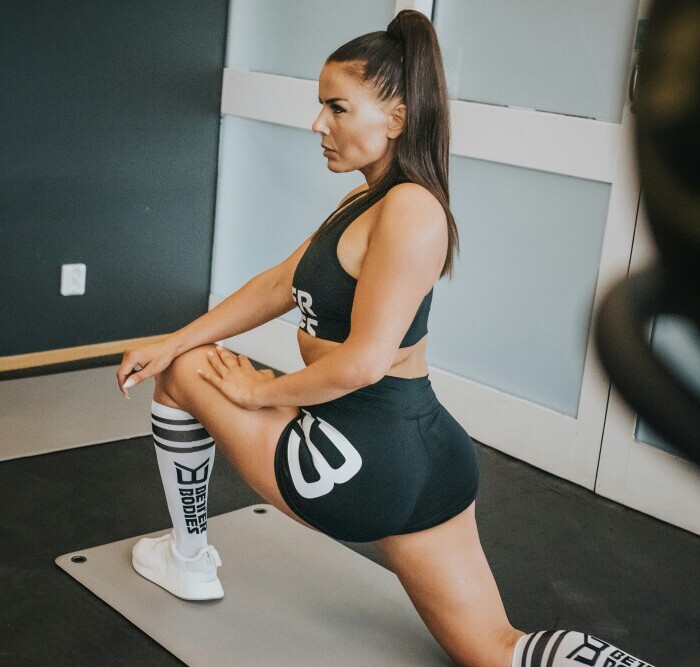
Before lifting heavy weights or clocking up all those miles on the treadmill, it’s important to understand your starting point. Knowing where you are physically helps you tailor goals that truly match your abilities.
Start with a simple self-assessment:
- time your run
- track your push-up count
- check your flexibility
- note your current endurance
These basic benchmarks give you a clear picture of your starting level.
Body composition matters too. It’s not just about the scale—fat vs. muscle mass tells a more detailed story. Smart scales and fitness apps can help track these metrics.
If possible, working with a personal trainer provides deeper insights into your flexibility, posture, strength, and endurance. They can identify weaknesses, prevent injuries, and help you set more realistic goals.
Avoid comparing yourself to others. Celebrate your starting point—it’s the first step toward where you want to be.
Defining Clear and Achievable Fitness Objectives

Crafting fitness objectives isn’t just about dreaming big; it’s about being strategic. Using the SMART criteria – Specific, Measurable, Achievable, Relevant, Time-Bound – is a practical way to ensure your goals are clear and doable.
Here’s how it works:
- Specific: Replace “I want to be fit” with “I want to run a 5K.”
- Measurable: Replace “I want to lose weight” with “I want to lose 5 lbs.”
- Achievable: Don’t aim for a marathon if you’ve just started running—try a 5K first.
- Relevant: Choose goals that support your main fitness vision.
- Time-Bound: Deadlines create urgency and accountability.
Using SMART goals ensures every objective has purpose and direction, making your progress easier to track and celebrate.
If you enjoy structured goal-setting, our free 20-step guide goes deeper into building long-term habits.
Sustaining a Goal-Oriented Workout Plan

This is where the plan truly comes to life.
Tailor your workouts to your specific goals:
- For strength: use resistance training with dumbbells, barbells, or machines.
- For endurance: focus on running, swimming, cycling, or high-intensity cardio.
- For general fitness: mix strength, cardio, mobility, and flexibility work.
A balanced routine prevents boredom and plateaus, keeping your workouts engaging and effective.
And don’t overlook rest and recovery. Muscles grow and repair during rest—not during training. Scheduled recovery days reduce injury risk and keep your progress consistent.
Read Our Related Blog Post: How Can BCAAS Help With Muscle Recovery?
Common Mistakes When Setting Gym Goals
Even with the best intentions, many people unknowingly set themselves up for frustration. Avoiding these common mistakes can make the difference between lasting progress and giving up too soon.
- Setting vague goals
Goals like “get fitter” or “lose weight” lack clarity. Without specifics, it’s hard to measure progress or stay motivated. - Expecting fast results
Fitness takes time. Expecting dramatic changes in a few weeks often leads to disappointment and burnout. - Ignoring recovery and rest
Training hard without proper recovery increases injury risk and stalls progress. Rest days are part of the plan, not a setback. - Comparing yourself to others
Everyone starts at a different point. Comparing your journey to someone else’s can quickly drain motivation. - Changing plans too often
Consistency matters more than constantly switching workouts. Stick with a plan long enough to see results.
Avoiding these mistakes helps you build sustainable habits that actually support long-term success.
Examples of Realistic Gym Goals (Beginner, Intermediate, Advanced)
Setting goals is one thing, but seeing real examples can make the process feel far easier and far more achievable. Here are some realistic gym goals you can base your own plan on, depending on your current fitness level.
These examples are practical, measurable, and aligned with gradual, healthy progress.
Beginner Gym Goals
If you’re new to the gym, small and steady steps are the key to building confidence and consistency.
- Go to the gym 2–3 times per week for the next month
- Walk or jog for 20–30 minutes, 3× per week
- Complete 10 full push-ups within 6–8 weeks
- Learn proper form for core lifts (squats, deadlifts, bench press) within 4 weeks
- Increase dumbbell weight by 2–5 lbs every 2–3 weeks
Beginner goals should focus on habit-building, not intensity. Consistency matters far more than the numbers you lift.
Intermediate Gym Goals
Once you have a consistent routine, you can start setting more specific performance-based goals.
- Increase your squat or deadlift weight by 10–15% in 8–12 weeks
- Run a full 5K without stopping within 3 months
- Complete 3 pull-ups within 6 weeks
- Improve your plank time to 2 minutes within 4 weeks
- Add an extra workout session each week for the next month
These goals help push your limits without overwhelming your body.
Advanced Gym Goals
For those who have trained consistently for a year or more, you can aim for higher-performance targets while still keeping them realistic.
- Increase your deadlift by 20–30kg in 12 weeks
- Reach 10 strict pull-ups or 20 chin-ups within 8–12 weeks
- Reduce your 5K time by 1–2 minutes in 2–3 months
- Bench press your body weight within 3–6 months
- Train for and enter a local fitness event or competition
Advanced goals should still follow the SMART framework—challenging, but not extreme.
How to Use These Examples
These goals are here to guide and inspire you, not to compare yourself to others.
Choose the ones that match your current ability, your lifestyle, and most importantly—your why.
When your goals are realistic and tailored to you, sticking to them becomes far easier, and you’ll stay motivated as you see steady progress each week.
Tools & Apps That Help You Reach Your Gym Goals
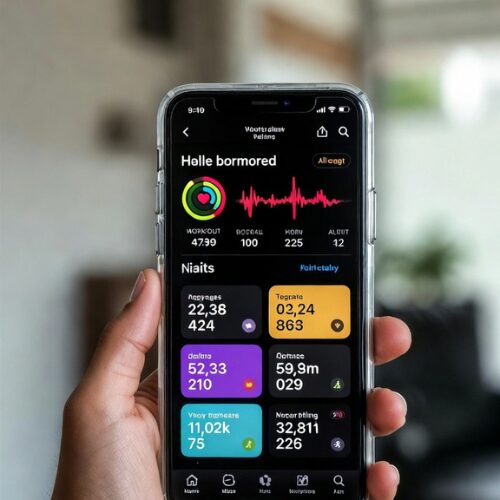
*Please note I’m currently not adding any affiliate links but I may edit this post in future to add them. If I do I will add my affiliate disclosure at the top.
Any of these may be good tools/apps to consider for your workouts.
Quick Takeaway
- Start where you are — not where you think you should be
- Use SMART goals to stay focused and accountable
- Progress gradually to avoid burnout or injury
- Track consistency, not perfection
Small, realistic steps taken consistently will always beat extreme goals that are hard to maintain.
Read Our Related Blog Post: The Ultimate Guide To Tracking Your Gym Progress Like a Pro
In Conclusion
Tracking your progress isn’t just about numbers — it’s about recognising how far you’ve come. Whether you use a journal, photos, or fitness apps, seeing your consistency build over time is one of the most powerful motivators you can have.
Remember, setbacks are part of every fitness journey. What matters most isn’t perfection, but persistence. When motivation dips, reconnect with your why and acknowledge the small wins — each one is proof you’re moving forward.
Ultimately, setting realistic gym goals isn’t just about reaching an end point. It’s about building habits you can maintain, enjoying the process, and creating a healthier lifestyle that fits you. Every workout, every rep, and every step adds up.
If you found this guide helpful, I highly recommend downloading our Free eBook: A 20 Step Guide to Living Your Best Life.
<<< Sign Up for Your Free Copy HERE >>>
Related FAQs
How do I set realistic gym goals as a beginner?
Start by focusing on consistency rather than results. Aim to attend the gym 2–3 times per week, learn proper exercise form, and gradually increase intensity over time. Setting small, achievable goals helps build confidence and prevents burnout.
What is an example of a realistic gym goal?
A realistic gym goal might be completing three full workouts per week for one month, increasing your squat weight by 5–10%, or running for 20 minutes without stopping. These goals are measurable, time-bound, and achievable.
How long should it take to see gym progress?
Most people begin to notice improvements in strength and energy within 3–4 weeks. Visible physical changes often take 6–8 weeks depending on consistency, nutrition, sleep, and training intensity.
Why do people fail to reach their gym goals?
Common reasons include setting unrealistic expectations, doing too much too soon, lack of a clear plan, inconsistent training, and not tracking progress. Comparing yourself to others can also lead to frustration and quitting.
How often should I change my gym goals?
You should review your gym goals every 4–8 weeks. If a goal becomes too easy or too difficult, adjust it slightly to stay challenged while remaining realistic.
What’s the best way to stay motivated at the gym?
Breaking large goals into smaller milestones, tracking progress, rewarding consistency, and following a structured plan all help maintain motivation. Having a workout schedule or training partner can also improve accountability.
Are short-term or long-term gym goals better?
Both are important. Short-term goals build momentum and motivation, while long-term goals provide direction. The most effective approach combines weekly or monthly targets with a broader fitness objective.
Can I set gym goals without wanting to lose weight?
Absolutely. Gym goals can focus on strength, endurance, mobility, energy levels, mental health, or building healthy habits. Weight loss is just one of many possible fitness outcomes.
How do I know if my gym goal is unrealistic?
If your goal causes constant exhaustion, injury, or frustration, it may be unrealistic. A good rule of thumb is progress without sacrificing recovery, sleep, or overall wellbeing.
What should I do if I miss a gym goal?
Missing a goal doesn’t mean failure. Review what went wrong, adjust the timeline or intensity, and keep going. Consistency over time matters far more than perfection.







Fix Your Energy, Sleep and Nutrition Today 🛠
Get our 20-Step Healthy Living eBook, Daily Health Planner and our other bonuses sent to your inbox instantly. Start your journey with 7 days of exclusive gifts and expert tips to stay fit throughout 2026.
Disclaimer: We hate spam too. Unsubscribe anytime.
Anxiety and Depression BiOptimizers blood pressure supplements blood sugar control blood sugar support supplements digestive enzymes Digestive Enzymes Supplement Digestive Health digital products Dr Sam Robbins Exercise Gut Health Gut Health While Travelling Health Tips for Travelling Healthy Living heart health HFL how to lower blood sugar levels insulin resistance joint health supplement Keto keto dieting Keto Diet Weight Loss leaky gut supplements leptin resistance list magnesium Magnesium deficiency Matt Gallant mental health Nootropics Probiotics Probiotic Supplements reverse type 2 diabetes stress and anxiety stress relief Supplements vitabalance vitapost Wade Lightheart weight loss articles weight loss diet plans weight loss product reviews weight loss supplements weight loss tea
About Author