The Hidden Link Between Low Stomach Acid and Constipation
Stomach acid plays a far greater role in digestion than most people realise. While it’s often blamed for heartburn and reflux, low stomach acid is actually a far more common — and frequently overlooked — digestive issue. Known medically as hypochlorhydria, low stomach acid can disrupt digestion, impair nutrient absorption, encourage gut imbalances, and contribute to chronic constipation.
In this guide, we’ll explore what stomach acid does, how low levels affect digestion, the symptoms to watch for, and why inadequate stomach acid may be quietly contributing to constipation — along with natural ways to support healthy levels.
What Is Stomach Acid and Why Is It So Important?
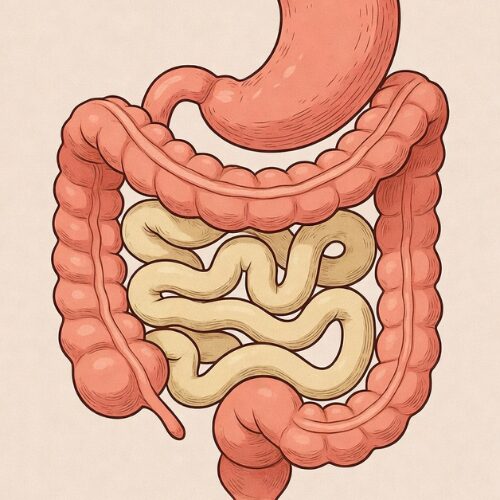
Stomach acid, also known as gastric acid, is a highly acidic fluid produced by the stomach lining. Its primary component is hydrochloric acid (HCl), supported by sodium and potassium chloride. This acidic environment – typically with a pH between 1.5 and 3.5 – is essential for healthy digestion.
Key Functions of Stomach Acid Include:
- Breaking down proteins so digestive enzymes can work efficiently
- Activating digestive enzymes such as pepsin
- Releasing nutrients like iron, calcium, magnesium, and vitamin B12 from food
- Killing harmful bacteria, parasites, and pathogens before they reach the intestines
Without adequate stomach acid, digestion becomes incomplete, allowing partially digested food to move further down the digestive tract — where problems often begin.
Low Stomach Acid (Hypochlorhydria): A Commonly Missed Problem

Low stomach acid occurs when the stomach fails to produce enough hydrochloric acid to digest food properly. In severe cases, acid production may nearly stop altogether — a condition known as achlorhydria.
One of the reasons hypochlorhydria is so often missed is because its symptoms can mimic acid reflux, leading many people to treat the wrong problem with antacids, which may worsen the issue over time.
Common Causes of Low Stomach Acid Include:
- Digestive infections
- Chronic stress
- Ageing
- Long-term use of antacids or acid-suppressing medications (Proton Pump Inhibitors etc.)
- Poor diet or nutrient deficiencies
- Excessive alcohol consumption
Signs and Symptoms of Low Stomach Acid
Low stomach acid doesn’t just affect digestion — it can impact the entire body.
Digestive Symptoms May Include:
- Bloating after meals
- Excessive burping
- Heartburn or Indigestion
- Feeling full quickly
- Nausea
- Constipation or alternating constipation and diarrhoea
Whole-Body Symptoms May Include:
- Chronic fatigue
- Frequent infections
- Iron-deficiency anaemia
- Vitamin B12 deficiency
- Hair thinning or brittle nails
- Skin issues such as acne or eczema
Constipation is a particularly common but under-recognised symptom, and it’s closely linked to impaired digestion.
How Low Stomach Acid Can Lead to Constipation
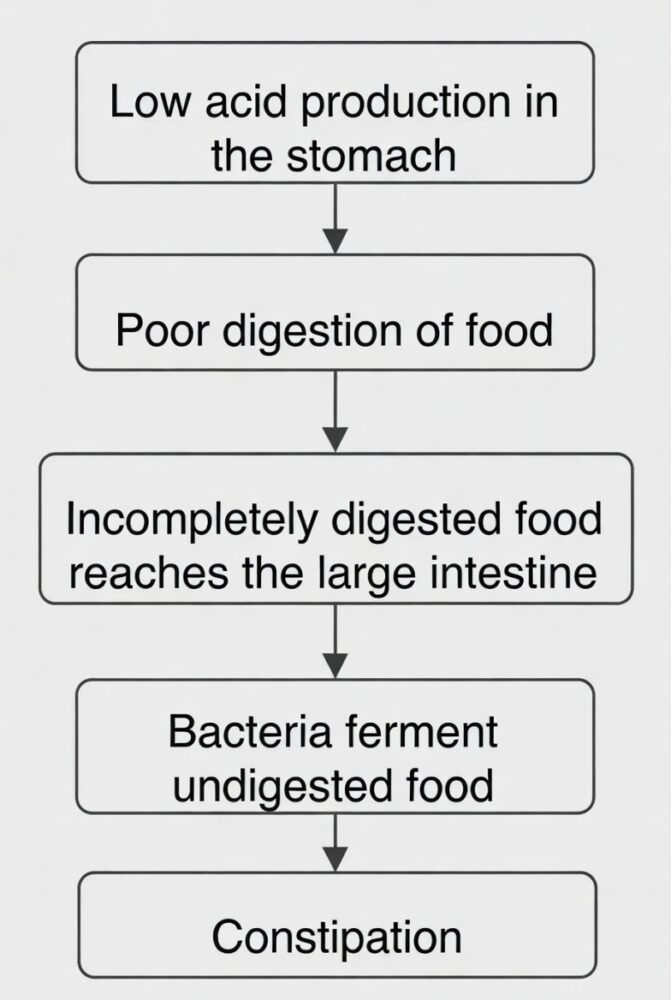
The digestive process works like a chain reaction. When stomach acid is low, everything that follows can slow down.
Here’s how hypochlorhydria may contribute to constipation:
1. Poor Food Breakdown
Without sufficient acid, food — especially protein — remains partially digested. This undigested material moves more slowly through the digestive tract, contributing to sluggish bowel movements.
2. Reduced Digestive Secretions
Low stomach acid can impair the release of bile from the gallbladder and digestive enzymes from the pancreas. Bile is essential for stool softness and regularity — inadequate bile flow often results in hard, dry stools.
3. Gut Microbiome Imbalance
Stomach acid acts as a gatekeeper against harmful bacteria. When acid levels are low, unwanted microbes can survive and reach the intestines, disrupting the gut microbiome and slowing bowel motility.
4. Slower Gut Transit Time
All of the above factors can lead to slower movement of waste through the colon, making stools harder to pass and increasing the likelihood of constipation.
What Does the Research Say?
While direct research on low stomach acid and constipation is still limited, existing studies suggest a meaningful connection.
- Research published in the World Journal of Gastroenterology has identified links between hypochlorhydria and various gastrointestinal symptoms, including constipation. {R)
- A later review in the World Journal of Gastrointestinal Pharmacology and Therapeutics suggested that adequate stomach acid is essential for normal digestive motility and bowel regularity. (R)
Although more research is needed, current evidence supports the idea that optimising stomach acid may improve constipation in some individuals.
Natural Ways to Support Healthy Stomach Acid Levels

If low stomach acid is suspected, several gentle strategies may help support digestion naturally.
Dietary Strategies:
- Eat protein-rich foods mindfully and chew thoroughly
- Include bitter foods (rocket, dandelion greens, artichoke)
- Use apple cider vinegar (diluted) before meals if tolerated
- Avoid excessive processed foods
Lifestyle Support:
- Eat in a relaxed environment
- Avoid drinking large amounts of fluid during meals
- Manage stress levels
- Maintain regular meal times
Digestive Support:
- Digestive enzymes (with professional guidance)
- Probiotics to support gut balance
- Herbs such as ginger, fennel, and gentian
⚠️ Always consult a healthcare professional before supplementing with betaine HCl or digestive aids, especially if you have ulcers, gastritis, or are taking medications.
Supporting Bowel Regularity Alongside Low Stomach Acid
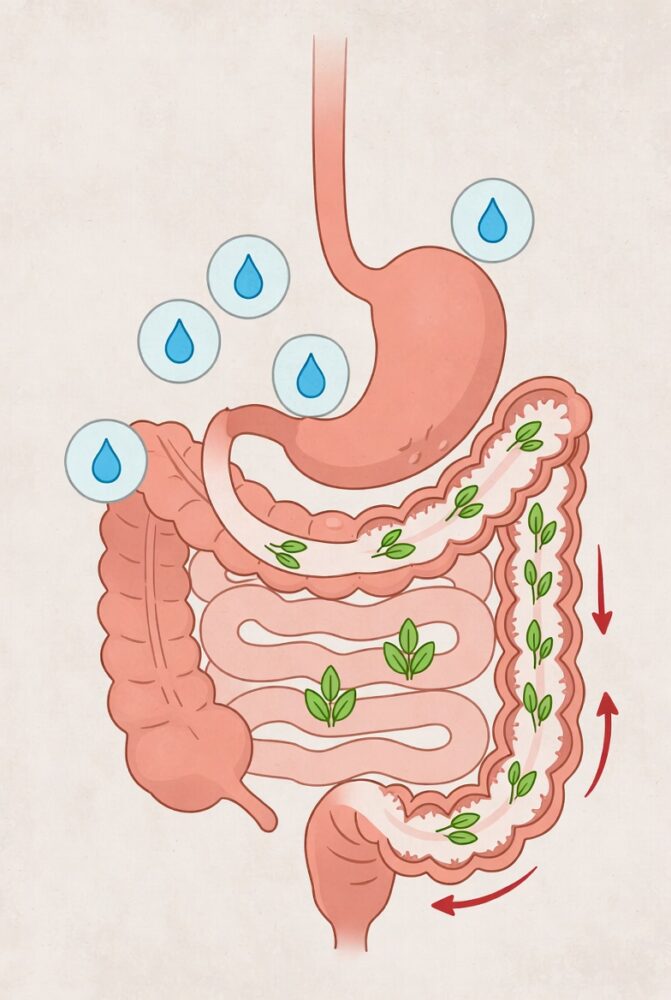
When low stomach acid is involved, constipation often isn’t just a fibre issue – it’s a digestion issue. If food isn’t properly broken down in the stomach, it moves more slowly through the intestines, leading to sluggish bowel movements.
Supporting regularity therefore requires improving digestion and bowel function together.
Adequate hydration is essential, as water helps soften stools and supports intestinal movement. It’s best to drink fluids between meals rather than in large amounts during meals, which may further dilute stomach acid.
Gentle daily movement, such as walking after meals, can also stimulate natural bowel motility and encourage more regular elimination.
Fibre can be helpful, but quality and timing matter. Soluble fibre from foods like oats, chia seeds, and cooked vegetables tends to be better tolerated than large amounts of raw or insoluble fibre, which may worsen bloating when stomach acid is low. Introducing fibre gradually allows the digestive system to adapt without adding strain.
Magnesium may also play a supportive role, as it helps relax intestinal muscles and draw water into the colon, making stools easier to pass. Alongside this, establishing a consistent bowel routine — allowing time to go, responding to natural urges, and maintaining regular meal times — can help retrain a sluggish digestive system.
Addressing bowel regularity while also supporting stomach acid levels often leads to more lasting relief, rather than relying solely on laxatives or quick fixes.
Final Thoughts
Low Stomach Acid is a surprisingly common yet frequently misunderstood digestive issue. While it’s often mistaken for excess acid, hypochlorhydria can quietly impair digestion, disrupt gut balance, and contribute to persistent constipation.
By understanding the role stomach acid plays — and supporting it through diet, lifestyle, and professional guidance — many people experience improvements not only in digestion but in overall health and energy levels.
If constipation persists or symptoms are ongoing, personalised advice from a healthcare professional is essential to identify the true root cause and ensure safe, effective treatment.
Also, if you are struggling with Digestion or Constipation linked to low stomach acid? Browse our related articles for practical, evidence-based insights — and read our full HCL Breakthrough review to understand how hydrochloric acid support may help improve digestion by rebalancing stomach acid pH levels.
Health Disclaimer:
Please note, This article is for informational purposes only and does not constitute medical advice. Always consult a qualified healthcare professional before making changes to your diet, supplements, or treatment plan, particularly if you have a medical condition or are taking medication.
Related FAQs
Can low stomach acid really cause constipation?
Yes. Low stomach acid can impair food breakdown, slow digestive transit, reduce bile flow, and disrupt gut bacteria — all of which may contribute to constipation in some individuals.
How do I know if my constipation is linked to low stomach acid?
Constipation related to low stomach acid is often accompanied by symptoms such as bloating after meals, excessive burping, feeling full quickly, nutrient deficiencies, or recurring indigestion despite using antacids.
Is heartburn a sign of low or high stomach acid?
Heartburn can occur with both high and low stomach acid. In low stomach acid, food may sit in the stomach longer and ferment, increasing pressure that pushes acid upward, mimicking reflux symptoms.
Can antacids make constipation worse?
In some cases, yes. Long-term use of antacids or acid-suppressing medications may further reduce stomach acid, potentially worsening digestion and contributing to constipation.
Does increasing fibre help constipation caused by low stomach acid?
Not always. While fibre can help bowel regularity, increasing it too quickly or relying on raw, insoluble fibre may worsen bloating when stomach acid is low. Gradual increases and soluble fibre are often better tolerated.
Can digestive enzymes or HCl supplements help with constipation?
For some people, supporting stomach acid and digestive enzymes may improve digestion and bowel regularity. However, these should only be used under professional guidance, especially if there is a history of ulcers or gastritis.
Is low stomach acid more common as you age?
Yes. Stomach acid production tends to decline with age, which may partially explain why constipation and nutrient deficiencies become more common over time.
When should I see a healthcare professional?
If constipation is persistent, worsening, or accompanied by unexplained weight loss, anaemia, severe pain, or blood in the stool, medical evaluation is essential to rule out underlying conditions.






Fix Your Energy, Sleep and Nutrition Today 🛠
Get our 20-Step Healthy Living eBook, Daily Health Planner and our other bonuses sent to your inbox instantly. Start your journey with 7 days of exclusive gifts and expert tips to stay fit throughout 2026.
Disclaimer: We hate spam too. Unsubscribe anytime.
Anxiety and Depression are you magnesium deficient BiOptimizers blood pressure supplements blood sugar control blood sugar support supplements digestive enzymes Digestive Enzymes Supplement Digestive Health digital products Dr Sam Robbins Gut Health Gut Health While Travelling Health Tips for Travelling Healthy Living heart health HFL hypomagnesia insulin resistance joint health supplement keto dieting Keto Diet Weight Loss leaky gut supplements list Low Stomach Acid magnesium Magnesium deficiency Matt Gallant mental health multivitamins Nootopia Nootropics Probiotics Probiotic Supplements reverse type 2 diabetes stress and anxiety stress relief Supplements vitapost Wade Lightheart weight loss articles weight loss diet plans weight loss product reviews weight loss supplements weight loss tea
About Author