
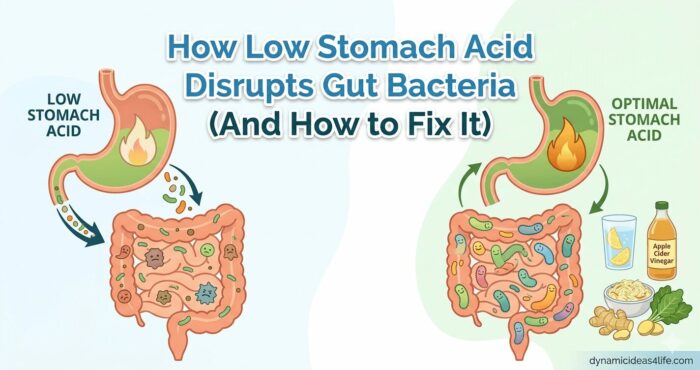
How Low Stomach Acid Disrupts Gut Bacteria (And How to Fix It)
Bloating after meals, feeling uncomfortably full, or dealing with constant indigestion?
Most people assume these symptoms are caused by too much stomach acid. But in reality, low stomach acid and gut bacteria imbalance are often the hidden root of the problem.
Low stomach acid — medically known as hypochlorhydria — can quietly disrupt your digestion. When stomach acid levels are too low, food isn’t broken down properly, nutrient absorption becomes less efficient, and harmful bacteria that would normally be destroyed can survive.
Over time, this creates the perfect environment for gut bacteria imbalance (dysbiosis) to develop.
Your stomach acid isn’t just there to digest food — it’s your body’s first line of defence against pathogens. Without enough of it, unwanted microbes can pass through the stomach and reach the intestines, where they may begin to multiply and disrupt the balance of your gut microbiome.
This is why symptoms like bloating, gas, food sensitivities, and even fatigue are often linked not just to digestion — but to the relationship between low stomach acid and gut bacteria.
Quick Answer: How Low Stomach Acid and Gut Bacteria Are Connected
Low stomach acid allows harmful bacteria to survive digestion and reach the intestines, where they can disrupt the balance of gut bacteria. This can lead to bloating, poor digestion, nutrient deficiencies, and gut-related issues like dysbiosis.
In this guide, you’ll learn:
- What low stomach acid is
- The most common symptoms and causes
- How it disrupts gut bacteria balance
- And practical ways to support better digestion naturally
*Please note: This article contains affiliate links. If you choose to purchase through them, I may earn a commission at no extra cost to you. I only share products I believe may be helpful based on research and user experience.
Any questions please contact me at chivs86@dynamicideas4life.com
What Is Stomach Acid (And Why It Matters)?

Stomach acid, also known as gastric acid, is primarily made up of hydrochloric acid (HCl) and digestive enzymes.
It plays several essential roles:
✔ Breaks down protein into amino acids
✔ Activates digestive enzymes like pepsin
✔ Helps absorb key nutrients (B12, iron, calcium)
✔ Kills harmful bacteria and pathogens in food
A healthy stomach typically maintains a very acidic environment (pH 1.5–3.5) — which is crucial for both digestion and protection.
What Is Low Stomach Acid (Hypochlorhydria)?
Low stomach acid occurs when your body doesn’t produce enough gastric acid to properly digest food.
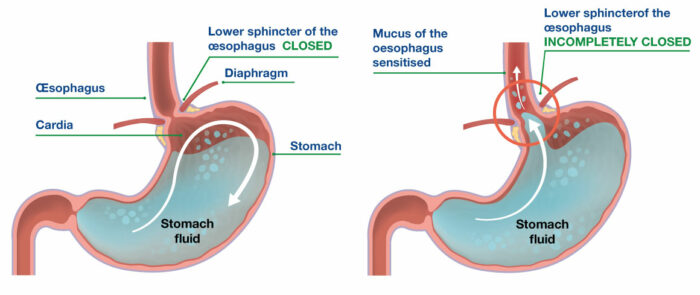
This can lead to:
- Poor digestion
- Nutrient deficiencies
- Increased survival of harmful microbes
Over time, this creates a ripple effect throughout your digestive system — especially in your gut microbiome.
Common Symptoms of Low Stomach Acid
Low stomach acid is often mistaken for acid reflux or “too much acid,” which is why it’s frequently overlooked.
Key signs to watch for:
- Bloating after meals
- Feeling full quickly
- Indigestion or discomfort
- Heartburn or reflux
- Excess gas or burping
- Undigested food in stool
- Fatigue (linked to nutrient deficiencies)
⚠️ Important: These symptoms can overlap with other digestive conditions, so proper diagnosis matters.
What Causes Low Stomach Acid?
There’s rarely just one cause — it’s usually a combination of factors.
Most common contributors:
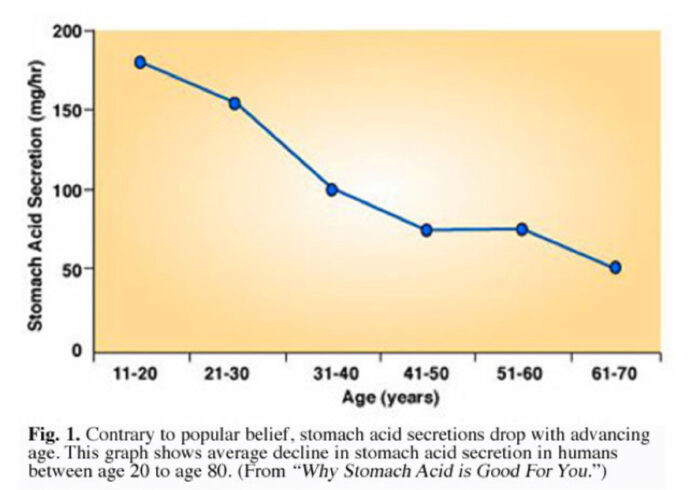
- Ageing (natural decline in acid production)
- Chronic stress (reduces digestive function)
- Poor diet (processed foods, low nutrients)
- Long-term use of PPIs or antacids
- Nutrient deficiencies (especially zinc)
- Helicobacter pylori infection
- Autoimmune conditions
Research from Cleveland Clinic highlights how stomach acid plays a key role in digestion and protection against harmful microbes — reinforcing how disruptive low levels can be.
How Low Stomach Acid Disrupts Gut Bacteria

This is where things get interesting — and important.
Your stomach acid acts as a first line of defence.
When levels are too low:
- Harmful bacteria survive digestion
Instead of being destroyed, microbes pass into the intestines. - Bacterial overgrowth can occur
This may contribute to issues like SIBO (Small Intestinal Bacterial Overgrowth). - Gut microbiome balance is disrupted
Beneficial bacteria struggle to compete, leading to dysbiosis. - Undigested food feeds harmful bacteria
Poor digestion creates the perfect environment for imbalance.
👉 The result: More bloating, more discomfort, and more gut instability.
Why Gut Bacteria Balance Matters
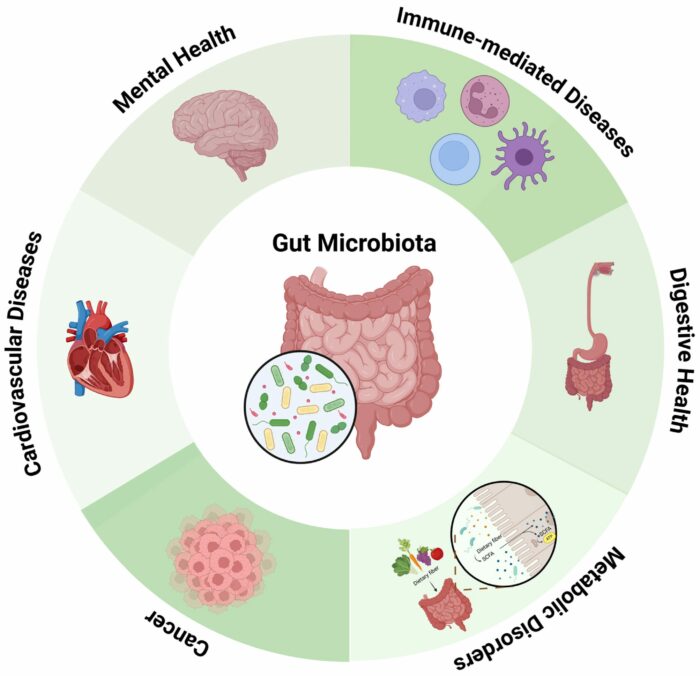
Your gut microbiome is responsible for far more than digestion.
A healthy balance of bacteria supports:
✔ Immune function
✔ Nutrient absorption
✔ Metabolism and blood sugar regulation
✔ Mental health via the gut-brain axis
Emerging research (highlighted by Harvard Health Publishing) shows that gut bacteria may even influence mood, anxiety, and cognitive function.
When this balance is disrupted, symptoms can extend far beyond digestion.
Signs Your Gut Bacteria May Be Imbalanced
If low stomach acid is affecting your gut, you may notice:
- Persistent bloating
- Food sensitivities
- Irregular bowel movements
- Brain fog
- Low energy
- Frequent infections
These are often signs of gut dysbiosis.
How To Fix Low Stomach Acid and Support Gut Balance
The goal isn’t just to increase stomach acid — it’s to restore overall digestive function.
1. Improve Your Eating Habits
- Eat slowly and chew thoroughly
- Avoid overeating
- Reduce ultra-processed foods
2. Support Natural Stomach Acid Production
- Apple cider vinegar before meals (if tolerated)
- Digestive bitters
- Adequate protein intake
3. Focus on Gut-Friendly Foods
Include:
✔ Fermented foods (yoghurt, kimchi, sauerkraut)
✔ Fibre-rich plant foods
✔ Whole, unprocessed meals
4. Consider Targeted Supplements
These can help support digestion:
- Digestive enzymes
- Probiotics (especially resilient strains)
- Betaine HCl (ONLY under guidance)
💡 Pro Tip: Combining probiotics with digestive enzymes can help support both digestion and gut bacteria balance — especially during travel or periods of stress.
If you’re unsure where to start, check out my guide on Digestive Enzymes for Travel: Do They Really Help? — especially useful if you struggle with bloating after meals.
5. Manage Stress
Chronic stress reduces stomach acid production.
Simple habits that help:
- Prioritising sleep
- Walking after meals
- Deep breathing












I often deal with indigestion, and I always thought that my discomfort stemmed from having too much stomach acid. Now I know that low stomach acid can actually disrupt the balance of gut bacteria, which makes a lot of sense to me. It’s eye-opening to realize the connection between poor digestion and harmful microbes lingering in the gut.
When using natural remedies like apple cider vinegar, how long does it typically take to notice improvements in symptoms like bloating or indigestion? It would be encouraging to have an idea of the timeline I could expect when implementing these changes.
Hi Alysanna,
Thank you for your thoughtful comment — and you’re definitely not alone in that. A lot of people assume indigestion always comes from too much stomach acid, so it can be quite eye-opening to look at it from the other side.
That’s a great question about apple cider vinegar. In terms of timing, it can vary quite a bit from person to person. Some people notice mild improvements in things like bloating or heaviness within a few days, especially around meals, while for others it can take a couple of weeks of consistent use to see a clearer difference.
That said, I’d always suggest starting slowly (for example, a small amount diluted in water before meals) and paying attention to how your body responds. It’s meant to support digestion, not force a result — and if symptoms worsen or feel uncomfortable, it’s best to stop.
Also, if indigestion is persistent or severe, it’s worth speaking with a healthcare professional to rule out any underlying causes rather than relying on home remedies alone.
Glad the article helped bring some clarity, and thanks again for your question.