
The Ultimate Guide to Tracking Your Gym Progress Like a Pro
TIf you train regularly but feel unsure whether you’re actually improving, you’re not alone. Many people go to the gym consistently but struggle to track their progress in a meaningful way.
Tracking your gym progress helps you understand what’s working, what isn’t, and when it’s time to adjust your training. Whether your goal is fat loss, muscle gain, improved strength, or better endurance, knowing how to track gym progress properly makes your workouts more effective and motivating.
This guide explains the most reliable ways to track fitness progress so you can train with confidence and see real results over time.
Set Clear and Measurable Fitness Goals
Before you can track progress, you need to know what you’re working towards. Clear goals give your training direction and make progress easier to measure.
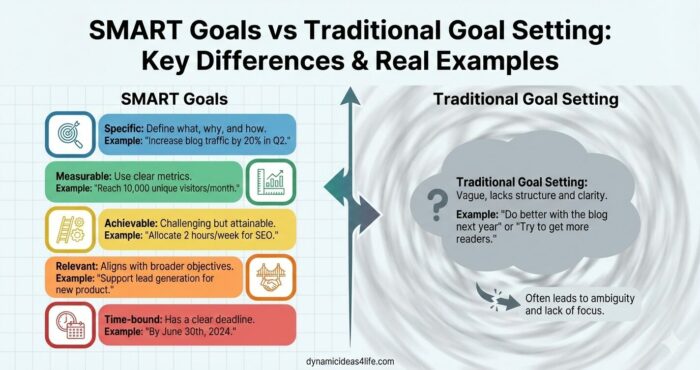
Instead of vague goals like “get fitter” or “lose weight”, focus on goals that can be measured, such as:
- Running for 30 minutes without stopping
- Increasing your squat or bench press weight
- Completing a certain number of push-ups
- Reducing waist measurement over time
When setting goals, consider your current fitness level, lifestyle, and available training time. Goals should challenge you without being unrealistic.
Tip:
Short-term goals (4–8 weeks) are easier to track and help maintain motivation, especially if you’re new to the gym.
Tracking Your Workouts Consistently
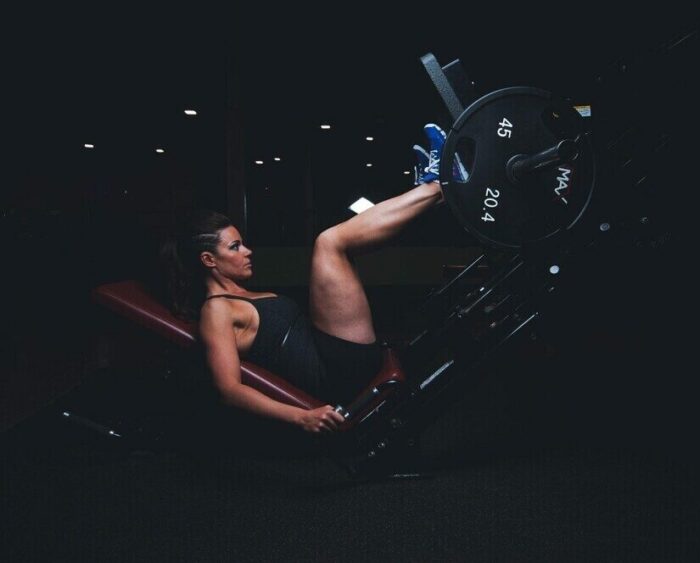
One of the most effective ways to track gym progress is by keeping a record of your workouts. This allows you to see whether your strength, endurance, or training volume is improving.
What to Track in the Gym
You don’t need anything complicated. Recording the following is usually enough:
- Exercises performed
- Number of sets and reps
- Weight used
- Rest time between sets
Over time, this information shows whether you’re gradually doing more — lifting heavier weights, completing more reps, or improving performance.
Workout tracking can be done using a notebook, spreadsheet, or fitness app. The best method is the one you’ll actually use consistently.
Measuring Your Strength and Endurance Progress

Tracking workouts is useful, but measuring performance improvements gives you clearer evidence of progress.
Measuring Strength
Strength progress is typically measured by:
- Increasing the weight you lift
- Performing more reps at the same weight
- Improving form and control on compound exercises
Exercises such as squats, deadlifts, presses, and rows are good indicators of overall strength development.
Measuring Endurance
Endurance progress can be tracked through activities like running, cycling, rowing, or swimming by monitoring:
- Distance covered
- Time taken
- Pace or speed
Small improvements over time are a sign that your cardiovascular fitness is improving.
Track Body Measurements (Not Just Weight)
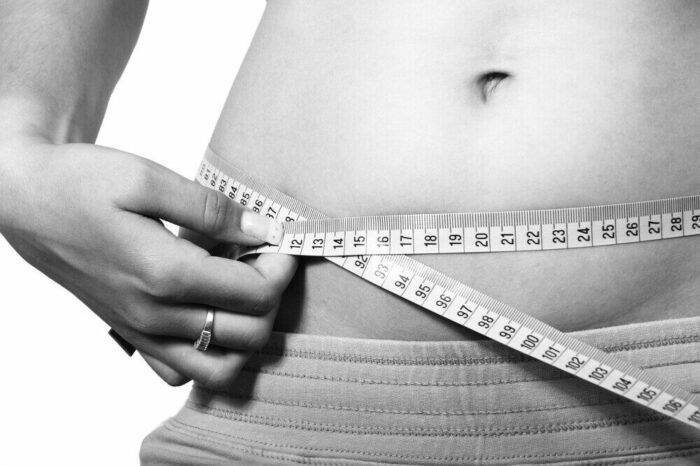
Scale weight alone doesn’t always reflect progress accurately, especially if you’re strength training.
Better ways to track physical changes include:
- Waist, hip, or chest measurements
- Progress photos taken every few weeks
- How clothes fit
It’s common to gain muscle while losing fat, which may result in little change on the scale but noticeable improvements in body shape and strength.
Monitor Recovery and Rest Days

Progress doesn’t only happen during workouts — it happens during recovery.
Tracking recovery helps prevent overtraining and reduces the risk of burnout or injury.
Pay attention to:
- Sleep quality and duration
- Muscle soreness
- Energy levels
- Motivation to train
If performance drops or fatigue becomes constant, it may be a sign you need more rest or lower training intensity.
Use Fitness Apps and Technology Wisely

Fitness apps and wearable devices can make tracking gym progress easier, but they work best as support tools rather than replacements for awareness.
Useful features include:
- Workout logs and progress charts
- Heart rate monitoring
- Step and activity tracking
- Sleep tracking
Technology can help spot trends over time, but it’s still important to listen to your body and adjust training accordingly.
When to Seek Professional Guidance
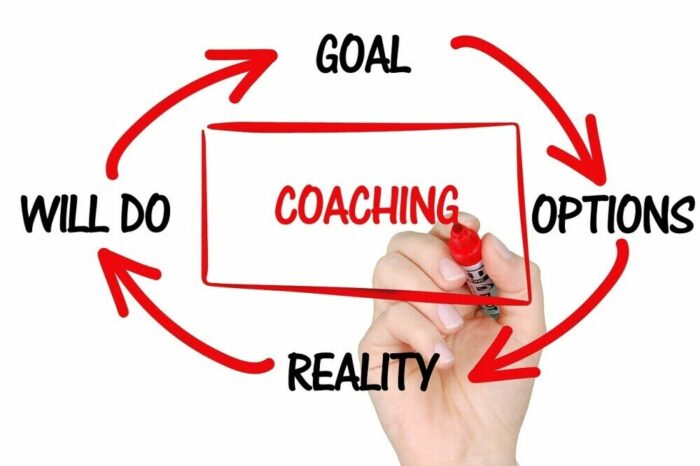
If progress stalls or you feel unsure about your training approach, professional guidance can help.
A qualified personal trainer can:
- Create a structured training plan
- Correct exercise technique
- Adjust workouts based on progress
Healthcare professionals such as doctors or registered dietitians can also help if you have injuries, medical conditions, or specific nutrition needs.
Final Thoughts
Tracking your gym progress doesn’t need to be complicated. The most effective approach is to track a few key areas consistently:
- Workouts
- Strength or endurance improvements
- Body measurements
- Recovery
By focusing on these fundamentals, you’ll gain a clearer understanding of your progress and be better equipped to reach your fitness goals over time.
Related FAQs
How often should I track gym progress?
Workout details should be tracked every session. Strength and endurance progress can be reviewed weekly, while body measurements are best checked every 3–4 weeks.
What’s the best way to track gym progress for beginners?
Beginners should focus on recording workouts and monitoring basic performance improvements rather than tracking too many metrics at once.
Is body weight a reliable measure of gym progress?
Body weight alone isn’t always reliable, especially if you’re building muscle. Combining weight with measurements and performance tracking gives a clearer picture.
How long does it take to see gym progress?
Most people begin to notice measurable progress within 4–8 weeks when training and recovery are consistent.





Claim Your Free 7-Day Health and Wellness Tool Kit 🛠
Get our 20-Step Healthy Living eBook, Daily Health Planner and our other bonuses sent to your inbox instantly. Start your journey with 7 days of exclusive gifts and expert tips to stay fit throughout 2026.
Disclaimer: We hate spam too. Unsubscribe anytime.
Anxiety and Depression BiOptimizers blood pressure supplements blood sugar control blood sugar support supplements cognitive function digestive enzymes Digestive Enzymes Supplement Digestive Health digital products Dr Sam Robbins Gut Health Gut Health While Travelling Health Tips for Travelling Healthy Living heart health HFL how to lower blood sugar levels insulin resistance joint health supplement keto dieting Keto Diet Weight Loss leaky gut supplements list magnesium Magnesium deficiency Matt Gallant mental health multivitamins Nootopia Nootropics nutrient supplements Probiotics Probiotic Supplements reverse type 2 diabetes stress and anxiety stress relief vitabalance vitapost Wade Lightheart weight loss articles weight loss diet plans weight loss product reviews weight loss supplements weight loss tea
About Author