

How to Avoid Bloating on Flights: A Traveler’s Gut Health Guide
Flying can be exciting, but for many travelers, bloating on flights is an uncomfortable and surprisingly common problem. Airplane cabins, long periods of sitting, unfamiliar foods, and dehydration can all combine to leave your stomach feeling tight, gassy, and uncomfortable.
Some travelers even notice that their stomach feels significantly more swollen during flights than it normally would on the ground.
The good news? With the right preparation and simple strategies, you can minimize bloating and keep your gut happy from takeoff to landing.
Understanding why bloating happens during air travel can help you prevent it and keep your digestion comfortable throughout your journey.
Why Flights Cause Bloating
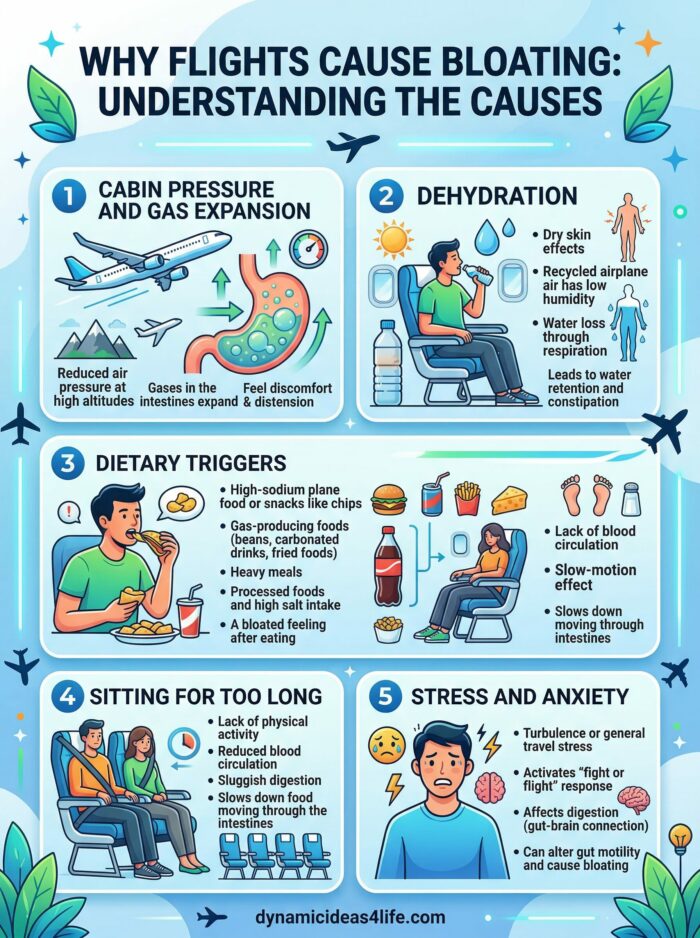
Flying creates a unique environment that can disrupt normal digestion. Changes in cabin pressure, long periods of sitting, dehydration, and unfamiliar foods can all affect how your digestive system functions during travel.
While these changes are usually temporary, they can cause gas to build up in the digestive tract and make your stomach feel swollen or uncomfortable during a flight.
Understanding the main causes of in-flight bloating can help you take simple steps to reduce it and travel more comfortably.
Cabin Pressure & Gas Expansion
At high altitudes, airplane cabins are pressurized but still operate at a lower pressure than ground level. According to Boyle’s Law, when pressure decreases, gas expands. This is why many passengers notice that their stomach feels more bloated during the cruise phase of a flight than during boarding or after landing.
This means any gas already present in your digestive system can expand by up to 30% during flight, which is one reason passengers frequently experience abdominal swelling and discomfort.
Even small amounts of trapped gas can therefore feel much more noticeable once you are in the air.
Sitting for Long Periods
Prolonged sitting slows digestion and intestinal movement (gut motility).
When you remain seated for hours:
- Digestion slows down
- Gas moves through the intestines more slowly
- Circulation to the digestive organs decreases slightly
This can allow gas to build up and create pressure in the abdomen. Long-haul flights can therefore amplify digestive sluggishness, particularly if you have eaten shortly before boarding.
Helpful Tip: Even short periods of movement during flights can help stimulate digestion and reduce gas buildup.
Dehydration

Cabin air is extremely dry, often below 20% humidity, which can quickly lead to mild dehydration.
Dehydration can negatively affect digestion by:
- Slowing bowel motility
- Increasing constipation risk
- Making bloating worse
If your body is short on fluids, digestion becomes less efficient, which can allow food to ferment longer in the gut and produce gas.
Dietary Triggers
Airport meals and airline food are often designed for convenience rather than digestive comfort.
Common triggers include:
- Carbonated beverages
- Beans and lentils
- Cruciferous vegetables (broccoli, cabbage, cauliflower)
- High-salt processed foods
- Artificial sweeteners like sorbitol or xylitol
These foods can ferment in the gut and produce gas, especially when digestion is already slowed by sitting.
Many of these foods are high in fermentable carbohydrates known as FODMAPs, which can produce gas when digested by gut bacteria.
Stress & Anxiety
Travel can be stressful. Airport delays, time pressure, and flight anxiety can activate the body’s stress response.
When cortisol levels rise, digestion slows and the gut becomes more sensitive.
This gut-brain interaction is part of the Gut–brain axis, which explains why stress often triggers digestive discomfort such as bloating or stomach cramps.
This is why some travelers experience stomach discomfort even before the plane leaves the ground.
How to Prevent Bloating Before Your Flight
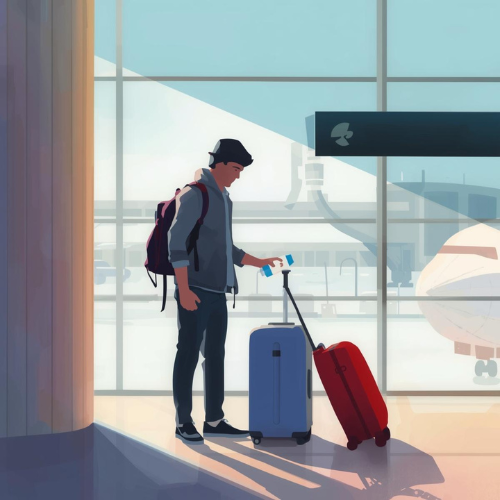
Taking a few simple steps before you board the plane can significantly reduce the chances of experiencing bloating during your flight. Preparing your digestive system with proper hydration, smart food choices, and gentle movement helps keep digestion running smoothly even in the challenging environment of an airplane cabin.
1. Hydrate Strategically
Begin increasing your water intake several hours before Staying well hydrated before flying is one of the simplest ways to support healthy digestion.
Airplane cabins have very low humidity, which can quickly lead to dehydration and slow digestive function. Starting your flight well hydrated can help reduce constipation, sluggish digestion, and gas buildup.
Begin increasing your water intake several hours before your flight.
A good strategy is to drink 500–750 mL of water before boarding, then continue sipping water regularly during the flight.
Helpful hydration tips include:
- Drink water steadily rather than all at once
- Limit alcohol and caffeine before boarding, as both can contribute to dehydration
- Consider electrolyte supplements during long-haul travel
Electrolytes help maintain fluid balance and support normal muscle function, including the muscles that move food through the digestive tract.
2. Adjust Your Meals
What you eat before flying can strongly influence how your stomach feels in the air.
Aim for lighter, easier-to-digest meals before your flight.
Good pre-flight meal choices include:
- Lean protein (chicken, fish, eggs)
- White rice or potatoes
- Cooked vegetables
- Bananas or berries
If you tend to experience digestive sensitivity, choosing low-FODMAP foods may also help reduce gas production during travel.
It can also help to avoid eating a large meal immediately before boarding, since digestion slows significantly when sitting for extended periods.
3. Move Your Body
Movement is one of the simplest waMovement is one of the simplest ways to stimulate digestion and reduce gas buildup.
Before boarding your flight, try to stay active around the airport rather than sitting at the gate for long periods.
Helpful strategies include:
- Walking around the terminal
- Using stairs instead of escalators when possible
- Doing light stretches for your hips and torso
Once on the plane, gentle seat exercises can help keep circulation and digestion moving.
Examples include:
- Ankle rotations
- Seated spinal twists
- Shoulder rolls
- Gentle abdominal breathing
Standing up and walking down the aisle every 60–90 minutes can also help move trapped gas through the digestive system and reduce abdominal pressure.
The following strategies can help reduce bloating before and during your flight.
4. Support Digestion With Probiotics & Enzymes
Digestive supplements can offer additional support when traveling, especially when eating unfamiliar foods or adjusting to a new routine.
Probiotics
Probiotics help maintain a balanced gut microbiome, which may reduce bloating and digestive discomfort during travel.
Travel-friendly probiotic strains such as Probiotic Breakthrough® (P3OM), developed by BiOptimizers, are designed to survive stomach acid and reach the intestines where beneficial bacteria can support digestive balance.
Digestive Enzymes
Digestive enzymes help break down proteins, fats, and carbohydrates more efficiently.
This can be particularly helpful when eating heavier airline meals or unfamiliar foods while traveling.
Enzyme blends such as MassZymes® may help reduce fermentation in the gut, which can lower the likelihood of gas and bloating.
Tip: For best results, consider starting probiotics 7–14 days before your trip and continuing them throughout your travels.
Tip: Start probiotics 7–14 days before your flight and continue during travel for the best results.

Some travelers also choose probiotics designed specifically for travel.
Tips During Your Flight
Once you are on the plane, a few simple habits can make a big difference in preventing bloating and supporting healthy digestion. Staying hydrated, moving regularly, and choosing lighter foods can help your digestive system function more comfortably during long flights.
Stay Hydrated
Continue sipping water regularly throughout the flight rather than drinking large amounts all at once.
Small, consistent sips help maintain hydration levels and support normal digestion. Because airplane cabins are very dry, drinking water regularly can also help prevent constipation and digestive sluggishness.
Try to limit alcohol and sugary drinks during the flight, as these may contribute to dehydration and bloating.
Move Often
Sitting still for long periods can slow digestion and allow gas to build up in the digestive tract.
Standing up, stretching, or walking the aisle every 60–90 minutes can help stimulate circulation and encourage normal intestinal movement.
Even small movements, such as ankle rotations or gentle seated stretches, can help reduce abdominal pressure during long flights.
Eat Light
If you plan to eat during the flight, choose smaller snacks rather than large meals whenever possible.
Heavy meals that are high in fat, salt, or refined carbohydrates can take longer to digest and may increase the likelihood of bloating in the air.
Simple options such as fruit, yogurt, nuts, or light sandwiches are often easier on the digestive system.
Use Digestive Enzymes
If you plan to eat a heavier airline meal or unfamiliar foods, taking digestive enzymes beforehand may help your body break down food more efficiently.
Digestive enzymes assist in breaking down proteins, fats, and carbohydrates, which may reduce fermentation in the gut and help limit gas production.
This can be particularly helpful when traveling, when your diet and eating schedule may differ from your normal routine.
Practice Relaxation
Travel stress and flight anxiety can affect digestion through the Gut–brain axis.
Practicing relaxation techniques during your flight may help reduce stress-related digestive symptoms.
Simple strategies include:
- Deep breathing exercises
- Listening to calming music
- Meditation or mindfulness apps
Even a few minutes of slow breathing can help relax the digestive tract and reduce feelings of abdominal tension.
When to Seek Medical Advice
Most cases of flight-related bloating are mild and temporary, resolving shortly after landing as your body readjusts to normal pressure and movement.
However, you should consult a healthcare professional if you experience:
- Severe or persistent abdominal pain
- Ongoing nausea or vomiting
- Unexplained diarrhea during or after travel
- Signs of dehydration such as dizziness, dry mouth, or very low urine output
These symptoms could indicate a gastrointestinal infection, food poisoning, or another digestive condition that may require medical evaluation.
Quick Pre-Flight Checklist for Gut-Friendly Travel
If you want to reduce the chances of bloating while flying, a little preparation can go a long way. Use this quick checklist before heading to the airport to help support healthy digestion during your trip.
- ✔ Drink 500–750 mL of water before boarding to start your flight well hydrated
- ✔ Take a travel-friendly probiotic to help support gut bacteria balance
- ✔ Bring digestive enzymes if you plan to eat heavier airline meals
- ✔ Avoid carbonated drinks and gas-producing foods before your flight
- ✔ Walk around the airport terminal rather than sitting at the gate for long periods
- ✔ Stand up and stretch or walk the aisle every 60–90 minutes during the flight
Travelers often have additional questions about digestion and flying. The answers below address some of the most common concerns.
Even small steps like these can help reduce gas buildup and keep your digestive system more comfortable throughout the journey.
Related FAQS
Why do I get bloated when flying?
Bloating during flights often happens because of changes in cabin pressure. As the aircraft climbs, lower pressure can cause gas in the digestive system to expand. Combined with sitting for long periods, dehydration, and unfamiliar foods, this can lead to increased abdominal pressure and discomfort.
How can I prevent bloating on a long flight?
To reduce bloating during flights, try to stay hydrated, avoid gas-producing foods, move regularly, and eat lighter meals. Some travelers also find that probiotics or digestive enzymes help support digestion when flying.
What foods should I avoid before a flight?
Foods that commonly trigger gas include beans, lentils, carbonated drinks, cruciferous vegetables (such as broccoli and cabbage), and heavily processed foods high in salt or artificial sweeteners.
Choosing lighter meals with lean protein, cooked vegetables, and easily digestible carbohydrates may help reduce the likelihood of bloating.
Is airplane bloating normal?
Yes. Many travelers experience temporary bloating during flights due to pressure changes and reduced movement. In most cases the discomfort improves shortly after landing as normal pressure and movement return.
Can dehydration cause bloating when flying?
Yes. Dehydration can slow digestion and increase the likelihood of constipation, which may contribute to bloating. Drinking water regularly before and during a flight can help keep digestion moving normally.
Why do people pass more gas on airplanes?
Many passengers notice increased gas during flights because cabin pressure changes cause gas in the digestive system to expand. This effect is explained by Boyle’s Law, which states that gas volume increases as pressure decreases.
As a result, even small amounts of gas in the stomach or intestines can expand during a flight, which may lead to increased bloating or flatulence.
Does flying affect digestion?
Yes, flying can temporarily affect digestion. Long periods of sitting, dehydration from dry cabin air, and changes in meal timing can slow intestinal movement.
This may cause food to move more slowly through the digestive tract, increasing the likelihood of gas buildup and bloating during long flights.
Staying hydrated and moving regularly during the flight can help support normal digestion.
Are probiotics helpful when traveling?
Probiotics may help support digestive balance when traveling, particularly when your routine, diet, or time zone changes.
Some travelers take probiotics before and during trips to help maintain a healthy gut microbiome and reduce the likelihood of digestive discomfort such as bloating, constipation, or traveler’s diarrhea.
Starting probiotics about 1–2 weeks before travel may help give beneficial bacteria time to establish in the gut.
What should I eat before a flight to avoid bloating?
Before a flight, choose light and easily digestible foods such as lean protein, rice, cooked vegetables, and fruit. Avoid gas-producing foods like beans, carbonated drinks, and cruciferous vegetables.
Eating smaller meals and staying hydrated before boarding can help reduce the likelihood of bloating during the flight.
Final Takeaway
Bloating during flights is common, but it is often preventable with a few simple strategies.
By preparing your digestive system before travel, staying hydrated, choosing lighter meals, and moving regularly during the flight, you can greatly reduce the chances of experiencing uncomfortable bloating in the air.
Small habits—like drinking water, avoiding gas-producing foods, and taking short walks during the flight—can make a noticeable difference in how your stomach feels when you land.
Pro Tip: Many frequent travelers also support their digestion with probiotics and digestive enzymes before and during long-haul flights. When combined with smart food choices and good hydration, these supplements may help reduce gas production and support a more comfortable travel experience.
Further Reading: Gut Health While Travelling
- Preventing Traveler’s Diarrhea Naturally
- Best Probiotics for Long Flights & Jet Lag
- Best Probiotics for Travel & Flying (Buyer’s Guide)
- Digestive Enzymes for Travel
- How To Maintain Gut Health While Flying Internationally
- Best Gut Health Supplements For Frequent Travelers
- What’s Inside The BioOptimizers Travel Stack
- How To Prepare Your Gut Before Traveling
- How To Reset Your Gut After Travel
- Best Foods for Gut Health While Traveling
- Best Probiotic and Enzyme Supplements
- Probiotic Breakthrough (P3OM) Review
- Masszymes Review
- Microbiome Breakthrough Review
- HCL Breakthrough Review
- Magnesium Breakthrough Review
- Stress Guardian Review
- Berberine Breakthrough Review
- KApex Keto Activar Review
- Gluten Guardian Review
- Who Are Bioptimizers?






Anxiety and Depression BiOptimizers blood pressure supplements blood sugar control blood sugar support supplements digestive enzymes Digestive Enzymes Supplement digital products Dr Sam Robbins Exercise Gut Health Gut Health While Travelling Health Tips for Travelling Healthy Living heart health HFL how to lower blood sugar levels insulin resistance joint health supplement Keto keto dieting Keto Diet Weight Loss leaky gut supplements list magnesium Magnesium deficiency Matt Gallant mental health multivitamins Nootropics Probiotics Probiotic Supplements proteolytic enzymes reverse type 2 diabetes stress and anxiety stress relief Supplements vitabalance vitapost Wade Lightheart weight loss articles weight loss diet plans weight loss product reviews weight loss supplements weight loss tea

Fix Your Energy, Sleep and Nutrition Today 🛠
Get our 20-Step Healthy Living eBook, Daily Health Planner and our other bonuses sent to your inbox instantly. Start your journey with 7 days of exclusive gifts and expert tips to stay fit throughout 2026.
Disclaimer: We hate spam too. Unsubscribe anytime.

Alex Chivers writes about natural health, nutrition, and lifestyle wellness at Dynamic Ideas 4 Life. His mission is to help readers discover practical, evidence-based ways to feel better, live healthier, and take control of their wellbeing — naturally.