
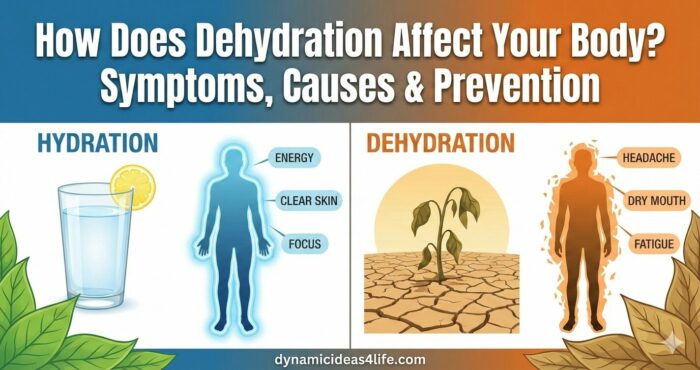
How Does Dehydration Affect Your Body? Symptoms, Causes & Prevention
Water is one of the most essential elements for life — yet many of us underestimate just how important proper hydration really is.
Yes, we know we need water to survive. But how much do we truly need? And what actually happens to the body when we don’t get enough?
Dehydration doesn’t just happen in extreme situations like being lost in the desert. It can develop quietly in everyday life — especially in warm climates, during exercise, illness, or even just from not drinking enough fluids throughout the day.
Let’s take a closer look at how does dehydration affect your body, who is most at risk, and what you can do to prevent it.
What is Dehydration?
Dehydration occurs when your body loses more fluids than it takes in.
The human body is made up of roughly 60–70% water, much of which is stored inside cells (intracellular fluid). Water is essential for:
- Regulating body temperature
- Transporting nutrients and oxygen
- Removing waste products
- Supporting digestion
- Maintaining blood volume
- Enabling proper brain function
When fluid levels drop too low, the body cannot perform these functions efficiently — and that’s when symptoms begin to appear.
Dehydration can affect anyone, at any age.
How Does Dehydration Affect The Body and Brain?

Even mild dehydration can impact how you feel and function. It can affect:
- Energy levels
- Concentration and focus
- Physical performance
- Mood
- Headache frequency
- Muscle function
More severe dehydration can lead to serious health complications. (R)
Symptoms of Dehydration
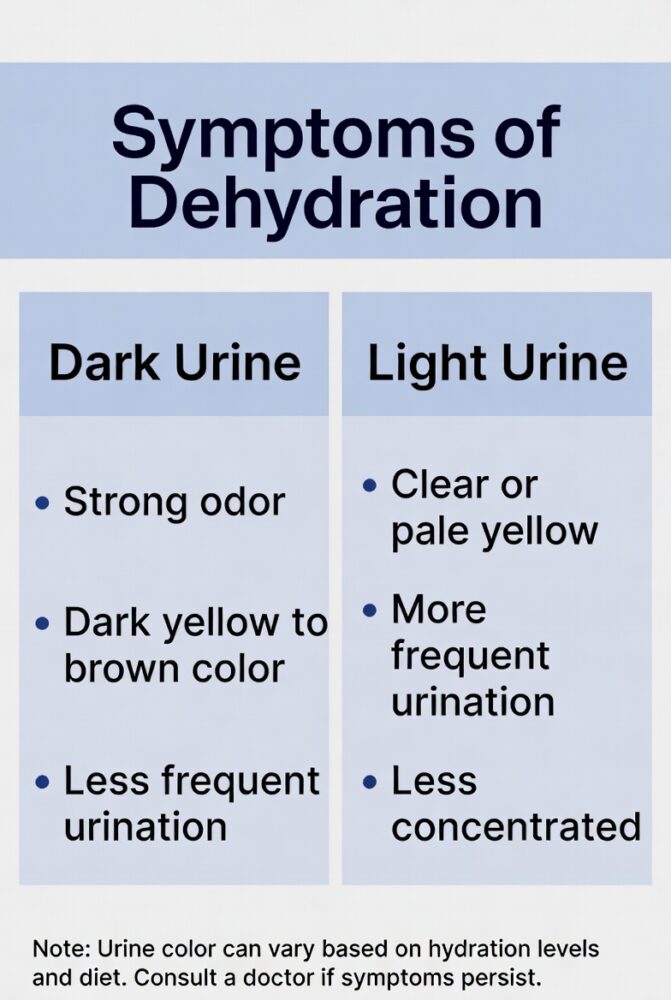
There isn’t one single symptom that applies to everyone. Signs can vary depending on age and severity.
In Babies and Toddlers
- No wet nappies for 3 hours or more
- Dry mouth or no saliva
- No tears when crying
- Sunken eyes or cheeks
- Sunken soft spot on top of the skull (fontanelle)
- Irritability or unusual drowsiness
In Adults
- High temperature
- Dizziness or lightheadedness
- Fatigue or extreme tiredness
- Confusion
- Infrequent urination
- Dark yellow or strong-smelling urine
- Intense thirst
- Muscle cramps
- Headaches
Dark urine is often one of the earliest warning signs.
Common Causes of Dehydration
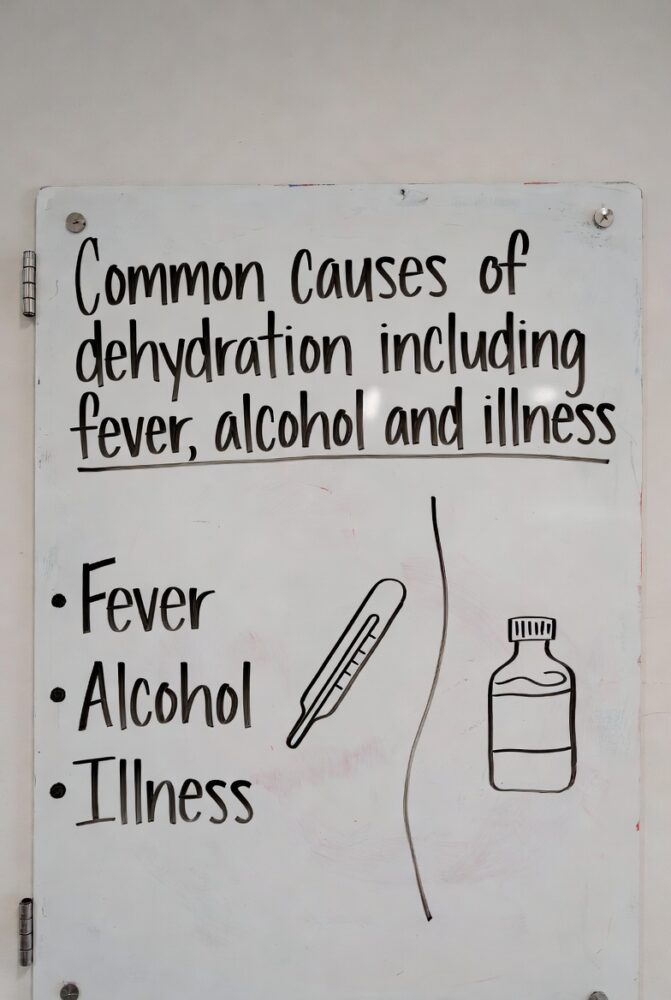
Dehydration is not only caused by forgetting to drink water. Several factors can increase fluid loss:
1. Diarrhea and Vomiting
Sudden or severe diarrhea can cause rapid fluid and electrolyte loss. When combined with vomiting, the risk increases significantly.
2. Fever
The higher your body temperature, the more fluids you lose. A fever over 38°C combined with vomiting or diarrhea increases dehydration risk.
3. Excessive Sweating
Heavy exercise, physical labour, or hot and humid weather can cause significant fluid loss. On hot days, most adults need at least 2 litres of water — often more.
4. Increased Urination
This can occur with uncontrolled diabetes or as a side effect of certain medications such as diuretics and some blood pressure drugs.
5. Alcohol
Alcohol increases urination and reduces the body’s ability to retain fluids, making dehydration more likely.
6. Burns
Burn injuries can cause fluid loss through damaged skin.
Who Is Most at Risk?
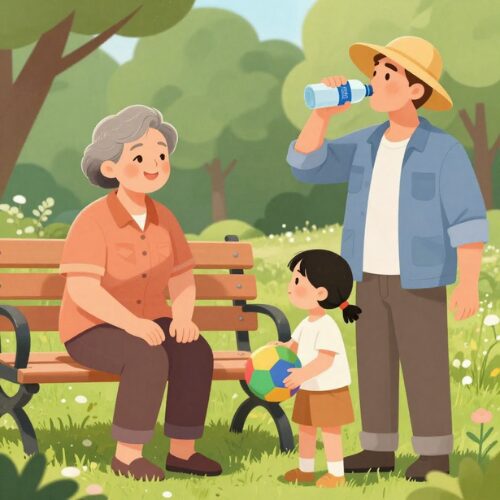
Certain groups are more vulnerable to dehydration. These Include:
Babies and Young Children
They are more prone to severe fluid loss from diarrhea and vomiting and may struggle to communicate thirst.
Older Adults
As we age, our thirst response weakens, and total body water decreases. Chronic illnesses and certain medications can further increase risk.
People Who Work or Exercise Outdoors
Hot and humid conditions make sweating less efficient at cooling the body, increasing fluid loss and risk of heat-related illness.
Individuals with Chronic Illness
Conditions such as uncontrolled diabetes or kidney disease increase dehydration risk. Even minor illnesses like colds can reduce appetite and fluid intake.
Signs of Severe Dehydration

Severe dehydration is a medical emergency. Complications may include:
Heat Injury
Ranges from heat cramps and exhaustion to life-threatening heatstroke.
Urinary and Kidney Problems
Repeated dehydration can contribute to urinary tract infections, kidney stones, and in severe cases, kidney failure.
Seizures
Electrolyte imbalances (sodium and potassium) can disrupt electrical signals in the body, leading to muscle spasms or loss of consciousness.
Hypovolemic Shock
A dangerous drop in blood volume that reduces oxygen supply to organs. This condition can be life-threatening.
When To See A Doctor
- If you have had diarrhoea for 24 hours or more
- If you feel very irritable or disoriented and much sleepier or less active than usual
- Can’t keep anything down
- If there is blood in your stools
- If your stools are a black colour
How to Check for Dehydration
A simple at-home method is the skin pinch test:
- Gently pinch the skin on your arm or stomach.
- Release it.
- If it returns to normal within 1–3 seconds, hydration is likely adequate.
- If it remains “tented” or slow to return, dehydration may be present.
If severe symptoms occur, medical testing may be required.
Treatment and Prevention

The best treatment is prevention.
Daily Hydration
- Aim for at least 2 litres of fluids per day (more in hot climates or during exercise).
- Drink regularly — not just when you feel thirsty.
During Illness
If experiencing diarrhoea or vomiting:
- Sip fluids little and often.
- Use oral rehydration solutions if necessary.
- Eat potassium-rich foods like bananas.
- Coconut water can help replenish electrolytes.
Smart Hydration Tips
- Eat water-rich fruits and vegetables (e.g., watermelon, cucumber, oranges).
- Choose water as your primary drink.
- Limit caffeine and alcohol (both can increase fluid loss).
- Increase intake during exercise, heat, or illness.
Can You Drink Too Much Water?
While dehydration is dangerous, excessive water intake in a short period can dilute sodium levels in the blood (hyponatremia). This is rare but more common in endurance athletes.
Related FAQs
1. What happens to your body when you are dehydrated?
When you are dehydrated, your body does not have enough fluids to function properly. This can affect energy levels, brain function, digestion, circulation, and temperature regulation. Mild dehydration may cause headaches and fatigue, while severe dehydration can lead to confusion, low blood pressure, kidney problems, and even shock.
2. How do I know if I am dehydrated?
Common early signs of dehydration include:
– Dark yellow urine
– Strong-smelling urine
– Dry mouth
– Headaches
– Fatigue
– Dizziness
One simple way to check is by looking at urine colour — pale straw colour usually indicates good hydration.
3. How much water should you drink per day?
Most adults should aim for around 2 litres of fluids per day. However, this varies depending on:
– Body size
– Activity level
– Climate
– Illness
– Pregnancy or breastfeeding
People who exercise or live in hot climates may need significantly more.
4. Can dehydration cause headaches?
Yes. Dehydration can reduce blood volume and affect oxygen delivery to the brain, which may trigger headaches. Drinking water often helps relieve mild dehydration headaches within a short time.
5. Is thirst a reliable sign of dehydration?
Not always. By the time you feel thirsty, your body may already be mildly dehydrated. Older adults in particular may have a reduced thirst response, making it important to drink fluids regularly rather than waiting for thirst.
6. Who is most at risk of dehydration?
Higher-risk groups include:
– Babies and young children
– Older adults
– People with chronic illnesses
– Individuals exercising or working outdoors
– Anyone with vomiting or diarrhea
7. How long does it take to recover from dehydration?
Mild dehydration can often improve within a few hours after increasing fluid intake. Moderate to severe dehydration may require oral rehydration solutions or medical treatment.
8. Can dehydration affect blood pressure?
Yes. Dehydration can lower blood volume, which may cause low blood pressure, dizziness, and fainting in severe cases.
Medical Disclaimer
This article is for informational purposes only and does not replace professional medical advice. If you suspect severe dehydration or ongoing symptoms, consult a qualified healthcare professional.
My Final Thoughts
Dehydration is more common than most people realise. In fact, one of the first things hospitals assess is hydration status.
Many people wait until they feel thirsty — but thirst is already a sign your body is running low.
Like most health issues, prevention is far easier than treatment.
Stay aware. Drink regularly. And don’t underestimate the power of proper hydration.

Fix Your Energy, Sleep and Nutrition Today 🛠
Get our 20-Step Healthy Living eBook, Daily Health Planner and our other bonuses sent to your inbox instantly. Start your journey with 7 days of exclusive gifts and expert tips to stay fit throughout 2026.
Disclaimer: We hate spam too. Unsubscribe anytime.






Anxiety and Depression BiOptimizers blood pressure supplements blood sugar control blood sugar support supplements digestive enzymes Digestive Enzymes Supplement digital products Dr Sam Robbins Exercise Gut Health Gut Health While Travelling Health Tips for Travelling Healthy Living heart health HFL how to lower blood sugar levels insulin resistance joint health supplement Keto keto dieting Keto Diet Weight Loss leaky gut supplements list magnesium Magnesium deficiency Matt Gallant mental health multivitamins Nootropics Probiotics Probiotic Supplements proteolytic enzymes reverse type 2 diabetes stress and anxiety stress relief Supplements vitabalance vitapost Wade Lightheart weight loss articles weight loss diet plans weight loss product reviews weight loss supplements weight loss tea
About Author







I’ve been quite concerned about sufficient hydration because it affects the skin so much. I notice that on days I don’t drink enough (because of travelling or just forgetting about it) my facial skin shows more fine lines and isn’t so plump.
I also have a low blood pressure and think that if I don’t drink enough it might make me more dizzy when changing my body position. So I try to control my drinking routine and be more aware of it. I don’t know if I had experienced real dehydration but I might have, when I think back at the few times I fainted when the weather was too hot.
Thank you for this article, it’s a great summary of dehydration causes and symptoms.
Hello Lenka,
You are so right it does affect the skin in a big way. I wish to thank you for taking the time to read and comment. It is very much appreciated.
Regards
Lisa
Thank you so much for sharing us an interesting and informative article. The main theme of this article is How Does Dehydration Affect You. It is really laudable that you have illustrated this topic so well in your article. I have learned a lot by reading your article and gained a lot of cognition about Dehydration. Of the points mentioned in your article, I like Best Ways To Prevent Dehydration. When I was dehydrated I drank plenty of water which helped keep me fresh.
Finally, I enjoyed reading your article and so I’d like to share your article in my Facebook group if you allow me.
Hello,
Thank you for reading and commenting, I’m delighted to hear you found it interesting. It’s great that you want to share it in your Facebook group. I hope it helps people.
Regards
Lisa
It’s been confirmed that keeping your body hydrated gives you a lot of benefits in return, for instance, it gives you a smooth and healthy skin and you tend to wash your body system when you take a lot of water. This article is very resourceful, I love the benefits of hydration and the effects that you’ve shared.
Thanks for stopping by and leaving a comment.
It’s very much appreciated.
You are so right it’s very good for your skin.
Thank you for this informative article which was able to help me understand more about hydration. I have always had an issue when it comes to drinking enough water so hopefully this article will assist me.
Your welcome Thabo. Glad I can help.
Good topic, very timely with summer coming. Good information easy to follow and understand. Raises awareness of the importance of staying hydrated throughout the day and how to realize before it becomes a problem A little hard to navigate the article, too many ads and too much going on. Like the embedded youtube video and several graphs.
Hi John,
Thank you — I really appreciate you taking the time to share that.
I’m glad the information was clear and helpful, especially with summer approaching. Dehydration is one of those issues that creeps up quietly, so awareness really does make a difference.
I also appreciate the feedback about navigation and ad placement. Ads do help support the site and allow me to continue publishing in-depth content for free, but I never want them to interfere with readability. I’ll take another look at this post specifically to see where the layout can be simplified and whether anything feels unnecessarily cluttered.
I’m glad you found the video and graphs useful — I try to include visual elements where they genuinely add clarity rather than just fill space.
Thanks again for the balanced and thoughtful feedback.
Thanks for this important information on hydration, and how to check for it and avoid it with a daily routine of sufficient water, fruits, and vegetables. I will share this information with others.
Thank you for commenting Joseph, I appreciate that. I’m glad you found the information helpful. Hydration is one of those simple habits that can make a big difference to how we feel day to day, but it’s easy to overlook until symptoms appear. I’m grateful you’re sharing the article with others — raising awareness really helps people stay ahead of dehydration.