
High Performer Productivity Habits: 5 Proven Hacks for Success in 2026
Ever wonder why some people seem to get more done in a single day than most people manage in a week? It’s not luck, talent, or endless motivation. High performers don’t simply work harder — they work smarter, and with intention.
In 2026, productivity isn’t about hustle culture or burning yourself out. It’s about building sustainable habits that protect your focus, energy, and mental clarity — the same principles high performers have always relied on.
High performers understand this, and they structure their lives around habits that consistently move them forward.
Below are 5 proven high performer productivity habits you can start implementing today to achieve more — without sacrificing your health or personal life. Try out these ideas and see how they can help you.
1. Set Clear Goals and Priorities For High Performance

High performers know exactly what they want and how to get there. Setting clear goals helps you focus your time and energy on what truly matters.
How To Do It:
- Use SMART goals: Specific, Measurable, Achievable, Relevant, Time-bound.
- Prioritize tasks: Identify your top 3 priorities each day.
- Regularly review and adjust: Life changes, so your goals should too.
Why This Productivity Habit Works
Clear priorities reduce decision fatigue and help you stay focused on meaningful progress instead of reacting to distractions.
Example:
Instead of saying “I want to get fit,” say:
“I will exercise for 30 minutes, five days a week, for the next three months.”
2.) Time Blocking and Scheduling For Better Productivity
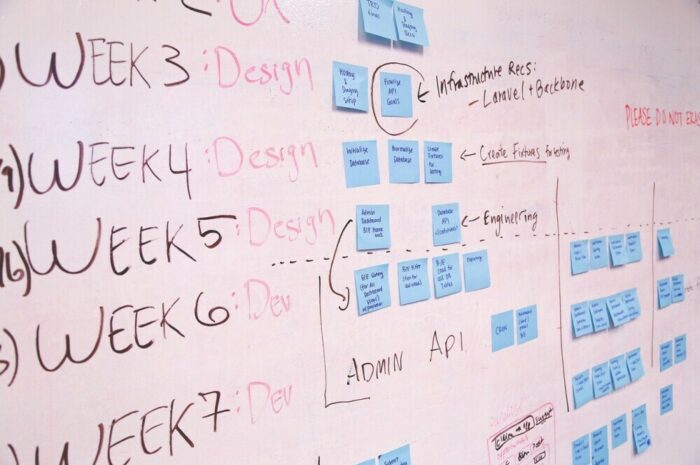
Time blocking gives structure to your day and removes the guesswork around what to work on next. Rather than reacting to tasks as they appear, high performers intentionally decide how their time will be used before the day begins.
By assigning specific blocks of time to specific types of work, distractions are reduced and focus improves.
Time blocking also helps prevent procrastination, as each task has a clear place in your schedule rather than floating around on a to-do list.
Most Importantly, effective scheduling isn’t about filling every minute. High performers understand the value of white space and flexibility.
They allow time for thinking, recovery, and unexpected interruptions, which makes their schedules sustainable rather than overwhelming.
Tips for Effective Time Blocking:
- Block 9–11 a.m. for your most important work.
- Reserve 2–3 p.m. for emails or meetings.
- Include buffer time for unexpected interruptions.
Why This Productivity Habit Works
Time blocking turns your calendar into a decision-making tool, reducing distractions and mental clutter.
Example:
- 9:00–11:00 a.m. → Deep work
- 2:00–3:00 p.m. → Emails & admin
- 4:30 p.m. → Planning for tomorrow
Treat these blocks like non-negotiable appointments with yourself.
3.) Eliminating Distractions to Improve Focus and Productivity

Distractions are one of the biggest barriers to meaningful productivity. In a world filled with notifications, messages, and constant information, maintaining focus has become increasingly difficult.
High performers don’t rely on willpower alone. Instead, they design their environment in a way that supports concentration.
By reducing distractions at the source, they make it easier to stay focused for longer periods of time.
Distraction isn’t only digital. Noise, clutter, and interruptions from others can also disrupt focus.
Creating boundaries — both physical and mental — plays a key role in protecting attention.
Ways to Reduce Distractions:
- Turn off notifications for social media and email.
- Use website blockers during work hours.
- Create a quiet workspace or use noise-cancelling headphones.
- Set boundaries with colleagues, family, or roommates.
Why This Productivity Habit Works
Minimizing distractions allows you to enter a state of deep focus, where high-quality work happens faster and with less stress.
Example: Instead of checking emails all day, review them at 11:00 a.m. and 4:00 p.m. only.
4.) Regular Exercise and Healthy Eating for Sustained Productivity

High performers understand that productivity starts with physical and mental well-being. When energy levels are low, focus suffers — no matter how strong motivation may be.
Regular exercise improves circulation, reduces stress, and boosts mental clarity. Healthy eating provides steady energy and prevents the highs and crashes that come from poor nutrition.tress
Together, these habits support sustained performance throughout the day.
This doesn’t require extreme routines or perfection. High performers focus on consistency rather than intensity.
Small, repeatable habits are far more effective than occasional bursts of effort.
Practical Tips To Make This Work:
- Exercise at least 20–30 minutes daily. Even a short walk counts.
- Eat whole foods: fruits, vegetables, lean proteins, and whole grains.
- Avoid excessive sugar and processed snacks that cause energy crashes.
Why This Productivity Habit Works
When your body is fueled properly, your brain performs better — leading to sharper thinking and sustained focus.
Example: Start your day with a protein-rich breakfast and a short stretch or walk to boost energy and mental clarity.
5.) Continuous Learning and Skill Development For Long-Term Success

High performers never assume they’ve learned enough. They actively seek opportunities to grow, knowing that skills and knowledge quickly become outdated.
Continuous learning keeps the mind sharp and encourages adaptability. It also builds confidence, as staying informed reduces uncertainty and prepares you for change.
Learning doesn’t have to be formal or time-consuming. Small, consistent efforts — reading, listening, practicing — compound over time and lead to significant growth.
How to Practice Continuous Learning:
- Take online courses or attend workshops.
- Read books and articles related to your field.
- Develop transferable skills: communication, leadership, problem-solving.
Why This Productivity Habit Works
Small daily improvements compound over time, creating massive long-term growth.
Example: Dedicate 30 minutes a day to learning — that’s over 180 hours of growth per year.
Bonus Habit: Reflection and Evaluation for Continuous Improvement
Reflection separates high performers from busy people. Without reflection, it’s impossible to know what’s working and what needs adjustment.
High performers regularly pause to assess progress, refine strategies, and learn from experience.
How to Implement Reflection
- Keep a journal or digital planner.
- Review your week every Friday.
- Track progress using simple metrics.
- Ask: What worked? What didn’t? What will I improve next week?
Example: Spend 10 minutes each Friday reviewing your top three wins and one improvement area.
✅ Quick Productivity Checklist:
| Habit Area | Action to Take |
|---|---|
| Goal Setting | Set clear SMART goals and define daily priorities |
| Time Management | Time block your day with focused work and buffer time |
| Focus & Attention | Eliminate digital and physical distractions |
| Health & Energy | Exercise regularly and eat for sustained energy |
| Learning & Growth | Learn something new consistently |
| Reflection | Review progress and reflect weekly |
In Conclusion
Acheiving Success isn’t always about working harder — it’s about building smarter habits that protect your focus, energy, and time.
By setting clear goals, managing your schedule intentionally, eliminating distractions, supporting your health, continuously learning, and reflecting regularly, you create a foundation for sustainable high performance.
Start small. Choose one habit today, master it, then layer in the others.
High performance is built one intentional habit at a time.
Related FAQs
What are the most important productivity habits of high performers?
The most important productivity habits of high performers include clear goal setting, intentional time management, minimizing distractions, maintaining physical health, continuous learning, and regular reflection. These habits help them stay focused, consistent, and productive without relying on constant motivation.
How long does it take to build high-performance productivity habits?
Most productivity habits take a few weeks to feel natural, but consistency matters more than speed. High performers typically focus on building one habit at a time, allowing it to fit into their routine before adding another.
Do high performers have to wake up early to be productive?
Not necessarily. High performers focus on working during their most productive hours rather than following a strict wake-up time. Productivity is more about aligning tasks with energy levels than waking up early.
How can I stay productive without burning out?
To stay productive without burning out, high performers balance focused work with regular breaks, movement, and reflection. They protect their energy, avoid overworking, and adjust their workload when stress or fatigue increases.
What is the best way to eliminate distractions while working?
The best way to eliminate distractions is to reduce them at the source. This includes turning off unnecessary notifications, setting specific times for emails, creating a focused workspace, and setting clear boundaries with others.
Is multitasking effective for productivity?
Multitasking is usually ineffective for productivity. High performers focus on one task at a time, which improves concentration, reduces mental fatigue, and leads to higher-quality work completed in less time.
How often should I review my goals and productivity habits?
Weekly reviews work best for most people. Reviewing goals and habits once a week helps track progress, adjust priorities, and stay aligned with long-term objectives without overthinking daily performance.






Fix Your Energy, Sleep and Nutrition Today 🛠
Get our 20-Step Healthy Living eBook, Daily Health Planner and our other bonuses sent to your inbox instantly. Start your journey with 7 days of exclusive gifts and expert tips to stay fit throughout 2026.
Disclaimer: We hate spam too. Unsubscribe anytime.
Anxiety and Depression BiOptimizers blood pressure supplements blood sugar control blood sugar support supplements digestive enzymes Digestive Enzymes Supplement Digestive Health digital products Dr Sam Robbins Exercise Gut Health Gut Health While Travelling Health Tips for Travelling Healthy Living heart health HFL how to lower blood sugar levels insulin resistance joint health supplement Keto keto dieting Keto Diet Weight Loss leaky gut supplements leptin resistance list magnesium Magnesium deficiency Matt Gallant mental health Nootropics Probiotics Probiotic Supplements reverse type 2 diabetes stress and anxiety stress relief Supplements vitabalance vitapost Wade Lightheart weight loss articles weight loss diet plans weight loss product reviews weight loss supplements weight loss tea
About Author