
Can Exercise Help With Depression? A Practical, Science‑Backed Look
Depression is one of the most common mental health conditions worldwide, affecting millions of people each year. It can drain your energy, cloud your thinking, and make even the simplest daily tasks feel overwhelming. Because of this, finding supportive, accessible ways to manage symptoms is incredibly important.
This article explores whether exercise can help with depression, how it works, and how you can realistically add movement into your life—even when motivation feels low. This post is part of a wider mental health series, alongside:
Why Is Exercise So Important for Depression?

One of the most common symptoms of depression is persistent fatigue. This isn’t just feeling tired—it’s a deep sense of physical and mental exhaustion that can make you want to sleep constantly and avoid everyday activities.
While exercising may feel like the last thing you want to do, even gentle movement can have a powerful effect on your mood. Physical activity stimulates the release of endorphins and serotonin—often called “feel‑good” chemicals—which help improve mood and reduce feelings of stress and anxiety.
Exercise can also:
- Create a sense of routine and structure
- Provide a feeling of accomplishment
- Improve sleep quality
- Reduce muscle tension caused by stress
Many people report feeling calmer, clearer‑headed, and more positive after exercising—even if the session was short.
How Exercise Helps Depression (The Science Explained Simply)

Exercise doesn’t just benefit your body — it has a powerful effect on your brain and emotional health. When you move your body, even gently, your brain releases chemicals called endorphins, often referred to as “feel-good” hormones. These help reduce pain perception and trigger positive feelings, which can temporarily lift low mood.
Physical activity also supports the production and regulation of serotonin and dopamine, neurotransmitters that play a key role in mood, motivation, and emotional balance. Low levels of these chemicals are commonly linked with depression.
Another important benefit of exercise is its ability to reduce cortisol, the body’s main stress hormone. Chronic stress can worsen depressive symptoms, disrupt sleep, and increase feelings of anxiety. Regular movement helps calm the nervous system and promotes better sleep — something many people with depression struggle with.
The key thing to remember is that these benefits don’t require intense workouts. Even light activities such as walking, stretching, or gardening can positively influence brain chemistry when done consistently.
What Type of Exercise Is Best?
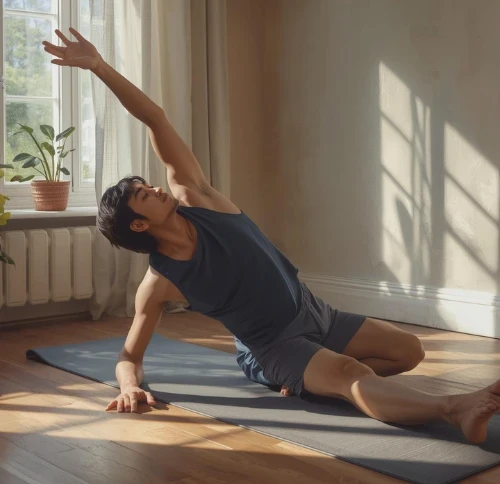
There is no single “best” exercise for depression. The most effective form of movement is the one you enjoy and feel able to stick with.
If you’re struggling, start small. Even five minutes of activity is enough to begin. Over time, five minutes can naturally become ten, then fifteen, without feeling overwhelming.
Some accessible options include:
- Walking outdoors or on a treadmill
- Gentle yoga or stretching
- Low‑impact home workouts
- Dancing to your favourite music
- Swimming or cycling
The goal isn’t intensity—it’s consistency. Regular movement gradually changes brain chemistry in a way that supports better emotional balance and overall health.
When Exercise Might Not Feel Helpful (And That’s Okay)

While exercise can be incredibly beneficial, it’s important to acknowledge that depression affects everyone differently. For some people, especially those experiencing severe or long-term depression, even the idea of exercising can feel overwhelming or impossible.
If movement feels out of reach right now, that does not mean you’re failing or doing something wrong. Depression can drain energy, motivation, and confidence, making everyday tasks feel exhausting.
During these times, professional support may be essential. Speaking with a doctor, therapist, or mental health professional can help you find the right combination of treatments — whether that includes medication, therapy, lifestyle changes, or all three.
Exercise should be viewed as a supportive tool, not a cure-all. Even the smallest steps, such as standing up, stretching, or walking to the end of the street, are meaningful progress. Be kind to yourself and move at a pace that feels manageable.
Exercise vs Medication: Do You Have to Choose?

This is a common question. Antidepressant medication helps many people and can be essential for certain types of depression. Exercise should never be viewed as a replacement for medical advice or prescribed treatment.
That said, research shows that regular physical activity can be as effective as medication for mild to moderate depression for some individuals. For others, exercise works best alongside medication and therapy.
Different people respond to different approaches. Some find walking more helpful than gym workouts, while others benefit from yoga, strength training, or structured exercise programmes.
If you’re considering changes to your treatment plan, always speak to your doctor or mental health professional first.
How Long and How Often Should You Exercise?

There are no strict rules. A realistic and sustainable approach is far more important than following a rigid plan.
You might aim for:
- 20–30 minutes of activity, 3–5 times per week
- A mix of light cardio and gentle movement
- Short sessions spread throughout the day
Remember, everyday activities count as exercise too:
- Housework such as hoovering or making beds
- Gardening, mowing the lawn, or watering plants
- Walking to the shops or taking the stairs
Keeping your living space tidy and spending time outdoors can also have a positive effect on mood and mental clarity.
Tips for Staying Consistent When Motivation Is Low

Staying consistent with exercise while dealing with depression can be challenging, but a few simple strategies can make it feel more achievable:
- Lower your expectations: Aim for 5–10 minutes instead of a full workout
- Choose gentle activities: Walking, stretching, or yoga are often easier to start with
- Tie movement to a habit: Walk after a meal or stretch before bed
- Exercise at home: This removes pressure and saves energy
- Celebrate small wins: Any movement counts, no matter how short
Consistency matters far more than intensity. Over time, these small efforts can build confidence, routine, and emotional resilience.
While exercise isn’t a cure, it can be a meaningful part of a wider support system for managing depression.
Final Thoughts: Small Steps Make a Big Difference

Depression can make even the simplest tasks feel overwhelming, and it’s important to remember that healing rarely happens all at once. Small, consistent steps — like moving your body a little more each day — can quietly support your mental wellbeing over time.
Exercise doesn’t have to be intense, structured, or perfect to be helpful. A short walk, some light stretching, or even gentle housework can be enough to shift your mood and remind you that progress is possible. These moments of movement aren’t about fixing everything — they’re about creating space for relief, clarity, and self-compassion.
There is no single solution to depression, and it’s okay to combine different approaches, including professional support, medication, lifestyle changes, and physical activity. What matters most is finding what works for you and allowing yourself the time and patience to heal.
If you’re comfortable, I’d love to hear your thoughts. Have you found that exercise helps your mood, or are you still trying to find what works best for you? Feel free to share your experience in the comments — your story may help someone else feel less alone.
Related FAQs
Can exercise really help with depression?
Yes, research shows that regular physical activity can help reduce symptoms of mild to moderate depression by improving mood, reducing stress, and supporting healthy brain chemistry. It’s most effective when combined with other forms of support.
How much exercise do I need to help depression?
You don’t need to exercise for long periods. Even 20–30 minutes of moderate activity, a few times a week, can make a difference. Short sessions spread throughout the day are also effective.
Is walking enough to improve mental health?
Absolutely. Walking is one of the most accessible and effective forms of exercise for mental wellbeing. It’s gentle, low-pressure, and easy to maintain long term.
Can exercise replace antidepressant medication?
Exercise should not be seen as a replacement for prescribed medication without medical advice. For some people, exercise may reduce the need for medication, but for others, a combination approach works best. Always speak to a healthcare professional before making changes.
What if I have no motivation to exercise at all?
This is very common with depression. Start with the smallest possible step — standing up, stretching, or walking for one minute. Motivation often comes after action, not before it.
Can too much exercise make depression worse?
Yes, over-exercising can increase fatigue, stress, and burnout. Balance is important. Gentle, consistent movement is far more beneficial than pushing yourself too hard.
🌿 Gentle Medical Disclaimer
Medical Disclaimer:
The information in this article is for educational and informational purposes only and is not intended to replace professional medical advice, diagnosis, or treatment. Depression affects everyone differently, and what works for one person may not work for another.If you are experiencing persistent low mood, severe depressive symptoms, or thoughts of self-harm, please seek support from a qualified healthcare professional as soon as possible. Always consult your doctor or mental health provider before making changes to your treatment, medication, or exercise routine.






About Author




Very informative. That is a bit issue and there a lot of confusing in relation to depression. It is so serious. I’m glad see sites like this and given tips how to overcome it. Definitely, exercise plays a huge part, actually for all of us. For me is a must and is part of my day. I love walk and be in nature. It really makes difference. Well-done and keeping posting.
I really appreciate your comments Katia
Thank you
Lisa
Excellent article, Lisa! Depression runs rampant in my family, and it affects the children in my family as much as the adults. There are so many levels of depression, and many people assume that if you’re not crying on the floor in the fetal position, then you’re not depressed. There are many fully functional depressed people who smile, go to school/work, and engage in all of their usual activities, but they are suffering inside. We definitely need to take time to better understand depression, better understand how it can actually look, and to help one another. God bless you!
Thank you, as you have said a lot of people who suffer keep it all inside, the best way to deal with it is to let it out and exercise can help a great deal.
Stay safe.
Hi Lisa,
Great article. Thank you. I am really against taking those strong tablets for depression as it comes with long lasting side effects. There are some pills that which is difficult to stop once someone start taking. So exercise is definitely better and I love the fact that there are people like you who will teach this to the world.
Hi Rajith,
Thank you for the comments. There are many addictive tablets for sure. I’m a great believer in doing things differently and changing within yourself.
Hey Lisa,
Nice article. Working out is definitely antidote to depression. Some days I just don’t feel like working out, but I find out after I push through I feel much better. Just like you wrote the start is the hardest part. The great news is that it doesn’t need to be an extremely hard workout to be helpful. Sometimes a simple walk in the park will do the job.
Many thanks for reading and commenting, I love to go on a nice scenic walk. Just doing something simple and enjoyable works as well.
Thank you so much for sharing this. It is not talked about enough! I definitely choose exercise!
Thank you Duni.
I choose exercise as well.
Lisa,
I know exactly how you feel. I am not a fan of getting started on an exercise program. I do however love to hike in the woods and even a good stroll around town always makes me feel better. I definitely prefer exercise over man-made chemicals.
I tried anti-depressants once. Was not a good fit for me.
There are many people that feel the same way as you. Any kind of exercise can make you feel happier and when you feel happy it gives you a great all over feeling of wellness.
One thing I find is that I don’t do a weekly shop so most days I have to go out and exercise. I know plenty of people who seem lifeless because they don’t do any form of exercise. They take medication and sit on the couch if my doctor gives me something that makes me permanently drowsy I will stop taking it. for depression sometimes the best cure is a good walk or cycle. Nothing can improve your mental health like a little fresh air and change of surroundings.
Thanks Chris, Totally agree. Depression is horrible but I don’t think anti-depressants are always the answer. What’s worse for some they can become a serious habit. Exercise is hard for some people to get there head around but definitely helps. The worse thing for me about COVID has been I haven’t been able to go swimming like before but prior to this I always felt much better going for a swim so I totally believe this is a thing.