

What to Eat Before a Long Haul Flight for Better Digestion
Long-haul flights can be tough on your digestive system. Sitting for extended periods, dehydration, cabin pressure, and disrupted sleep can slow digestion and lead to uncomfortable symptoms like bloating, constipation, or stomach cramps.
For many travelers, these digestive issues start before the plane even leaves the ground, often due to poor food choices before flying.
One of the easiest ways to reduce these problems is by choosing the right foods before your flight.
Eating a gut-friendly pre-flight meal can help keep digestion moving smoothly, support energy levels, and reduce discomfort while you’re in the air.
In this guide, you’ll learn what to eat before a long-haul flight, what foods to avoid, and simple ways to support digestion while traveling.
Why Pre-Flight Food Choices Matter
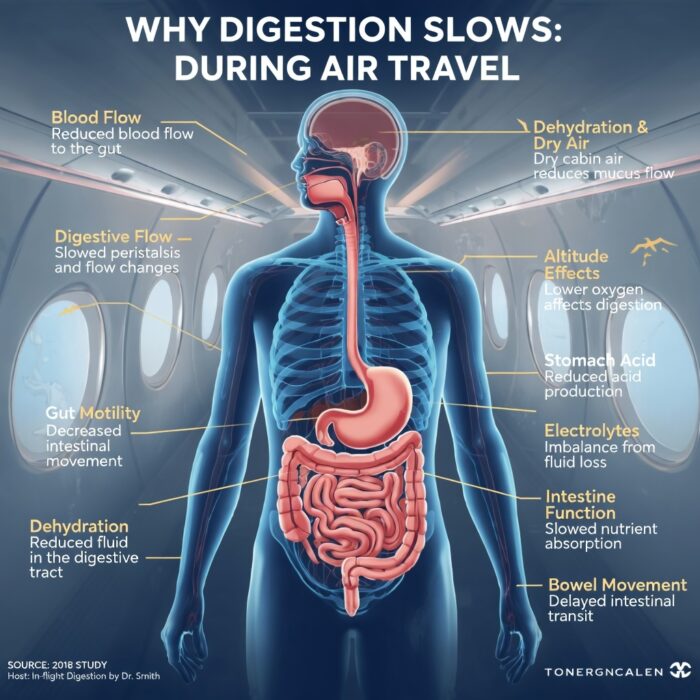
Several factors make digestion more sensitive during air travel:
• Cabin pressure causes intestinal gas to expand, which can increase bloating and discomfort
• Low humidity contributes to dehydration, which may slow digestion
• Limited movement reduces digestive motility
• Stress and travel fatigue can affect gut function
• Disrupted meal timing can confuse your digestive rhythm
At cruising altitude, the lower cabin pressure allows gas in the digestive system to expand, which is one reason bloating is so common during flights.
Choosing the right foods before your flight helps prepare your digestive system for these challenges and may reduce digestive discomfort while traveling.lenges.
Best Foods to Eat Before a Long-Haul Flight For Better Digestion
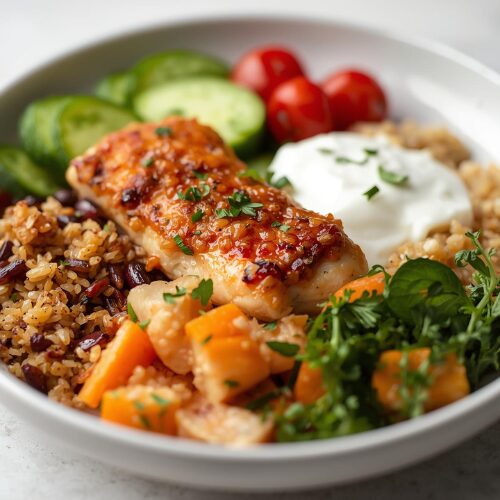
The ideal pre-flight meal should be light, balanced, and easy to digest.
Instead of heavy or greasy foods, focus on meals that contain lean protein, gentle fiber, and complex carbohydrates. These nutrients help support digestion, maintain steady energy levels, and reduce the risk of bloating during long flights.
1. Lean Protein

Protein supports satiety and stable energy levels without causing heavy digestion.
It can also help prevent large blood sugar spikes that may contribute to fatigue during long travel days.
Good options include:
• Grilled chicken
• Eggs
• Fish
• Tofu
• Greek yogurt
Try to avoid very fatty meats or fried foods before flying, as high-fat meals can slow stomach emptying and increase the risk of bloating.
2. Low-Gas Vegetables

Vegetables provide fiber that supports gut health, but some types are more likely to produce gas during digestion.
Choosing low-gas vegetables before flying can help reduce bloating while you’re in the air.
Good pre-flight choices include:
• Carrots
• Zucchini
• Spinach
• Bell peppers
• Cucumber
Try to avoid cruciferous vegetables before flying, such as broccoli, cabbage, and cauliflower, because they contain sulfur compounds and fermentable fibers that can increase gas production.gas production.
3. Gentle Complex Carbohydrates
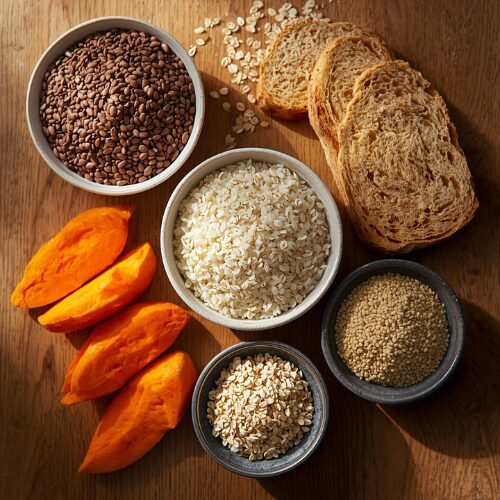
Carbohydrates provide energy for long travel days.Carbohydrates provide energy for long travel days.
Choosing slow-digesting complex carbohydrates can help maintain stable blood sugar levels and support digestive balance.
Good options include:
• Brown rice
• Oats
• Sweet potatoes
• Whole grain toast
• Quinoa
These foods provide fiber and nutrients that support gut bacteria while helping you stay full during long travel periods.
4. Hydrating Foods

Hydration is critical before flying.
Airplane cabins often have humidity levels as low as 10–20%, which can quickly lead to dehydration.
Foods with high water content can support hydration before travel, including:
• Watermelon
• Oranges
• Cucumbers
• Berries
These foods help support fluid balance and may reduce the risk of dehydration-related digestive issues.
5. Fermented Foods

Fermented foods contain natural probiotics, which are beneficial bacteria that help support gut balance.
Including small amounts before travel may help maintain microbiome stability during dietary changes and travel stress.
Examples include:
• Yogurt with live cultures
• Kefir
• Sauerkraut
• Kimchi
• Miso
Even small servings may help support microbiome diversity before long travel days.
Pre-Flight Digestive Tip
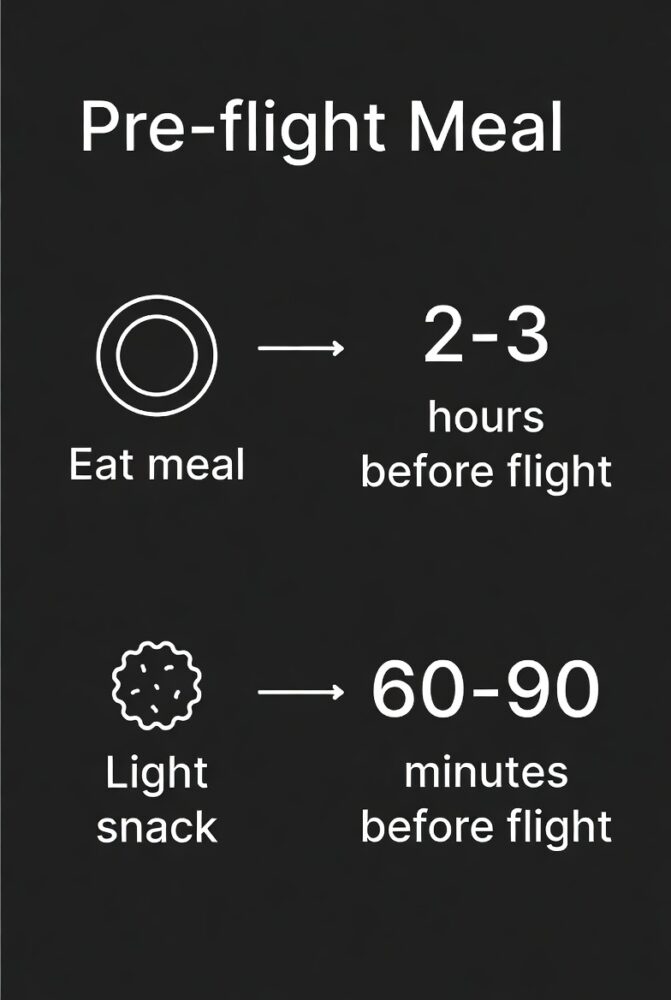
*Try to eat your pre-flight meal 2–3 hours before boarding.
This gives your body time to begin digestion before sitting for extended periods.
Food and Drinks to Avoid Before a Long Flight

Certain foods are more likely to trigger bloating, gas, or digestive discomfort during air travel. Because cabin pressure can cause intestinal gas to expand, eating the wrong foods before flying may increase stomach discomfort during long flights.
To help reduce digestive issues while traveling, try to limit the following foods before boarding.
Carbonated Drinks
Carbonated beverages such as soda and sparkling water introduce additional gas into the digestive system. At high altitude, this gas can expand due to lower cabin pressure, increasing the risk of bloating during flights.
Highly Processed Foods
Airport snacks and fast food often contain excess sodium, refined carbohydrates, and unhealthy fats. These ingredients may slow digestion and increase water retention, which can contribute to bloating during long flights.
Beans and Legumes
Beans and legumes are nutritious but contain fermentable fibers (FODMAPs) that can increase gas production in the digestive tract. This may lead to bloating when sitting for long periods on flights.
Alcohol
Alcohol contributes to dehydration and may irritate the digestive system. It can also disrupt sleep quality during overnight flights, making jet lag and fatigue worse.
Large Heavy Meals
Overeating before flying puts extra pressure on the digestive system. Large meals may slow stomach emptying and increase the likelihood of bloating during long periods of sitting.
Many travel health experts recommend eating a moderate meal about 2–3 hours before departure.
Helpful Supplements Before Flying
Even with good food choices, long flights can still disrupt digestion. Some travelers choose to support digestive health with targeted supplements before long trips.
While taking supplements are not for everyone, certain options may help support gut balance, digestion, and sleep during travel.
Probiotics
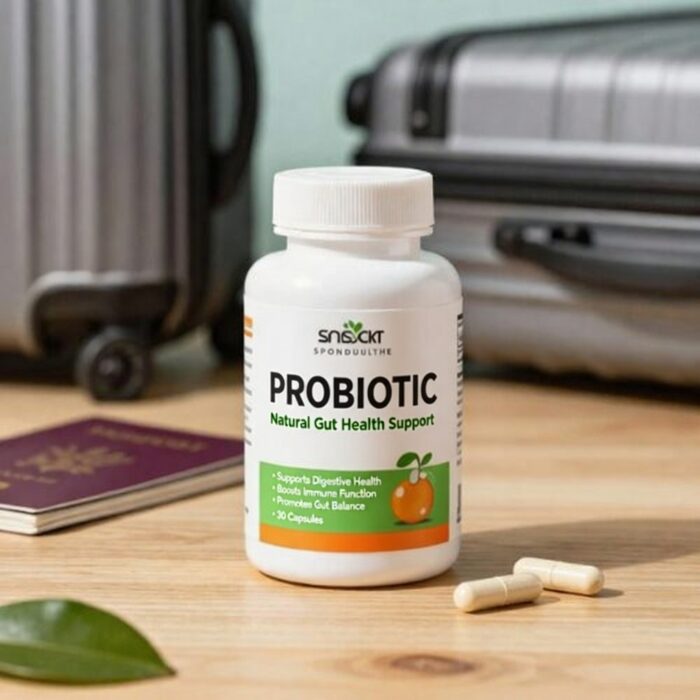
Probiotics help support microbiome balance during travel stress. Research on the microbiome and travel suggests that changes in diet, sleep, and environment can temporarily alter gut bacteria.
A travel-friendly probiotic such as P3-OM (Bioptimizers Probiotic Breakthrough) is designed to survive stomach acid and remain stable without refrigeration, making it convenient for trips.
Some travelers begin taking probiotics 1–2 weeks before travel to help support microbiome stability.
Digestive Enzymes
Digestive enzymes help break down proteins, fats, and carbohydrates, which may support digestion when eating unfamiliar foods.
This can be especially helpful if airport meals or airline food are heavier or contain ingredients your body is not used to.
A broad-spectrum enzyme formula like MassZymes may help support smoother digestion when traveling.
Magnesium
Magnesium plays an important role in nervous system function and muscle relaxation. It may also support healthy digestion and sleep quality, both of which can be disrupted during long-haul travel.
Some travelers (Including myself) use Magnesium Breakthrough during trips to help support relaxation and recovery from long flights and jet lag.
Please Note: As with any supplement, it is best to consult a healthcare professional if you have medical conditions or take medications.
Before You Go Away: Also, keep in mind that maintaining gut health while traveling also involves making smart food choices during your trip. You can learn more in this guide on best foods for gut health while traveling.








Your factors that make digestion more sensitive during air travel are very informative. I had never even thought of most of them. Next time I prepare to fly, I’ll remember to focus on meals that contain lean protein, gentle fiber, and complex carbohydrates (actually, not that one, as I’m a diabetic). But I do love chicken, eggs, and fish dishes, although tofu is not a favorite. The vegetables you list are actually some of my favorites. I believe in drinking lots of good water as well, and those fruits are ones I enjoy in moderation because of my diabetes. I’ll keep in mind those items you wrote t o avoid. Thanks for this helpful article and best wishes on your blog site. – Shirley
Hi Shirley,
Thank you for your kind words — I’m really glad you found the article helpful.
You’re absolutely right to adapt the suggestions to suit your own needs. With diabetes, focusing on balanced meals with protein, healthy fats, and controlled portions of carbohydrates is key, especially before a long flight. Foods like chicken, eggs, fish, and the vegetables you mentioned are great options, and it sounds like you already have a good sense of what works well for you.
Hydration is another big one, so it’s great that you’re mindful of that too — it can make a real difference during travel.
I also appreciate you pointing out the carbohydrate side — it’s a good reminder that there’s no one-size-fits-all approach, and tailoring food choices to your own health situation is always the best way forward.
Thanks again for sharing your experience, and I hope your next trip is a comfortable one!