Try These 7 Simple Self Care Practices For Busy People
Self Care Practices For Busy People are more essential now than ever. In a world where schedules are packed, demands are constant, and downtime feels almost non-existent, taking care of yourself often slips to the bottom of the list.
Many of us move through the day on autopilot — juggling work, family, and responsibilities without pausing to breathe, reflect, or recharge. While this has become normal, it doesn’t have to stay that way.
The good news is that self-care doesn’t need hours of free time or complicated routines. Small, intentional habits can make a powerful difference to how you feel physically, mentally, and emotionally.
Just a few simple changes are all it really takes to start feeling calmer, more energised, and back in control — even with a busy schedule.
How To Take Better Care of Yourself?
Many people assume self-care means long routines, spa days, or hours of relaxation — but this couldn’t be further from the truth.
Real self-care is about simple, sustainable habits that help you recharge physically, mentally, and emotionally, even if you only have a few minutes to spare each day. By focusing on practical self-care habits, even the busiest people can experience noticeable improvements in their energy, mood, and focus.
Starting the day with a little structure can completely change how everything else feels. This doesn’t mean following a strict schedule — it’s about setting an intentional pace that works for you and supports your well-being.
1. Why Habit Forming Matters for Busy People

Creating a morning routine doesn’t have to be about doing a million things at once. Focus on what adds value to your life and aligns with your bigger dreams.
Whether it’s stretching to wake those muscles or having a quiet moment over a cup of tea to plan your goals, these small habits are what can set the tone.
Simple morning habits could include:
- Gentle stretching to wake up your body
- Drinking a glass of water before anything else
- Sitting quietly with a cup of tea or coffee
- Writing down one intention for the day
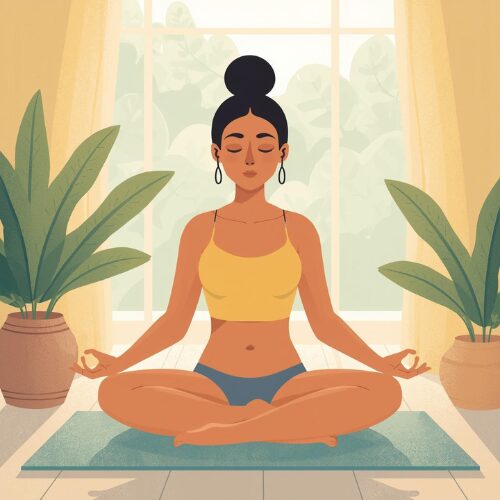
Mindfulness can also be a game-changer here. Meditation, even if it’s just a few minutes too, can give you that mental clarity to tackle whatever the day throws your way, or maybe you’re more into journaling, jotting down thoughts or intentions for the day can be incredibly grounding.
But, still, never underestimate the power of a good breakfast and a glass of water. Making sure you’re hydrated and have a nourishing start can do wonders for your energy and focus.
Something as simple as a smoothie or oatmeal can keep that morning fog at bay.
2. Quick Breathing Exercises to Reduce Daily Stress

Life can get hectic, right? These are the moments when simple breathing exercises come to the rescue. Just a couple of minutes of mindful breathing can make a world of difference in diffusing stress and clearing your head.
Deep breathing isn’t just good for calming down; it’s like hitting the refresh button for your brain. By focusing on your breath, you can reduce tension and help your mind regain focus.
It’s all about giving yourself that tiny break to step back and reset.
How To Fit Breathing Exercises Into Your Busy Schedule?
Finding ways to sneak breathing exercises into your day can be a lifesaver. Sitting at your desk? Take a brief pause, inhale deeply for four counts, hold it for a second, then exhale slowly.
Repeat a few times, and you’ll be surprised at how refreshed you feel.
The magic of breathing is real. It’s a no-cost, anytime reset button right there with you all day.
Plus, it’s not just about calmness. Proper breathing can boost your energy levels and clarity, making those chaotic moments easier to handle.
Read Our Related Blog Post Here: Pranayama Breathing Exercises For Beginners<<
3. Stay Energised With Proper Hydration

Staying hydrated is one of those underrated habits that can seriously boost how you feel every day. It sounds simple, but do you drink enough water?
This is something that I definitely think I could do a lot better with but how about yourself?
Drinking enough water has a huge impact on both your body and brain. Its importance should not be underestimated. If you are not doing so already then it is definitely worth making it a priority.
The trick is building a routine that works for you. Try starting with a bottle of water in the morning or setting gentle reminders on your phone to keep you sipping throughout the day.
Making it part of your everyday rhythm helps this habit stick.
– Extra Tips For Staying Hydrated
If plain water feels a little boring, there are plenty of simple ways to make hydration more enjoyable — without relying on sugary or artificially sweetened drinks.
Try these easy hydration boosters:
- Add natural flavour with lemon slices, cucumber, mint, or berries
- Rotate in herbal teas for variety while staying hydrated
- Drink a glass of water before each meal
- Keep a reusable water bottle nearby throughout the day
- Pair hydration with habits you already have (after waking up, during breaks, after walks)
While it’s best to limit drinks containing artificial sweeteners like aspartame or acesulfame K, drinking some water is always better than drinking none. Focus on consistency first — quality can always be improved over time.
Staying well-hydrated supports energy, concentration, digestion, and overall productivity, making it one of the simplest self-care habits to maintain when life gets busy.
4. Improve Your Well-Being With Better Sleep Habits
Sleep is that secret weapon for a thriving life, though it’s often the first thing we sacrifice when life gets busy. Getting enough quality sleep is crucial. A good sleep environment is paramount for maintaining mental sharpness and also, good physical well-being.
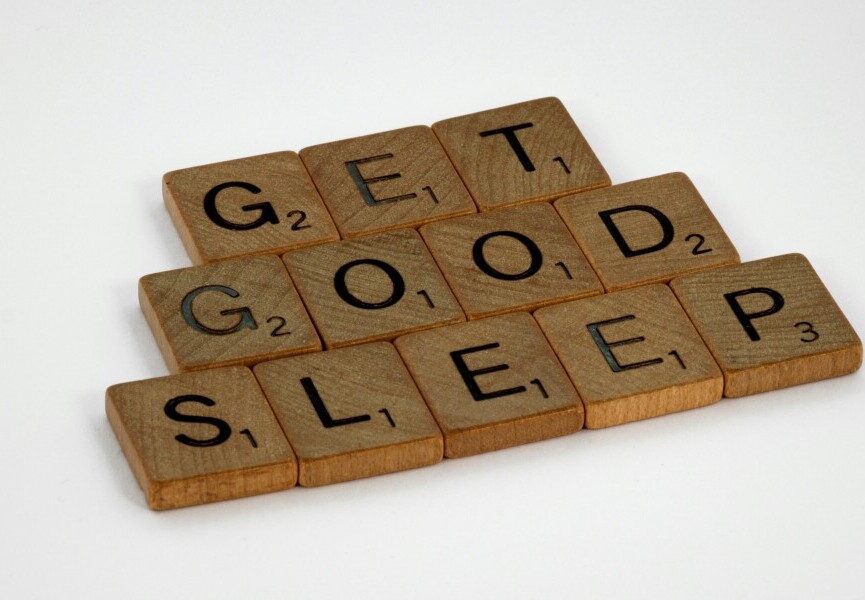
I’m actually quite guilty of this – I start watching TV and fall asleep on the sofa. I end up waking up 2-3 times (if not more) in the night and in the morning it just totally ruins me.
For busy people, this may be one of the most impactful self-care habits you can build.
Creating habits around self care really begin with stable bedtime rituals and how you feel after waking up in the morning. Dimming the lights, sipping some herbal tea, or hot chocolate (I find this helps me) or reading a few pages of a book are all things to try.
Reading a book Instead of falling asleep in front of the TV – this is a good one – but whatever way you manage this having a routine is the key that signals your brain when it’s time to wind down.
– Extra Tips For Getting a Good Nights Sleep
For many busy people, simply going to bed earlier isn’t always enough. Supporting your body’s natural sleep rhythm can make falling asleep easier and improve sleep quality throughout the night.
- Consider these practical sleep-supporting tips:
- Wake up and go to bed at similar times, even on weekends
- Pay attention to early signs of tiredness, such as yawning or heavy eyes
- Aim to fall asleep within 30 minutes of feeling sleepy to avoid a second cortisol spike
- Reduce screen time at least one hour before bed
- Use blackout curtains or low lighting to signal bedtime to your brain
- Keep your bedroom cool, quiet, and comfortable
Sleep apps, calming audio, or gentle bedtime routines can help reinforce consistency. Supplements may be useful in certain situations, but they work best after foundational habits like routine, light exposure, and screen reduction are in place.
Prioritising sleep is one of the most effective self-care practices for busy people — improving mood, focus, energy, and resilience the very next day.
5. Incorporate Mini Mindfulness Moments Into Your Day
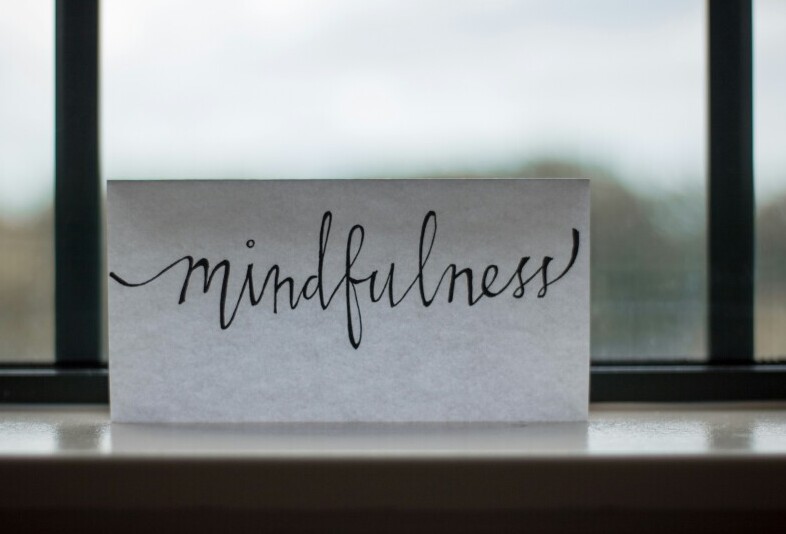
Mindfulness doesn’t require long meditation sessions — even 1–2 minutes of presence can calm your nervous system and reset your focus. Busy people can practice mindfulness anywhere: while waiting for the kettle to boil, during a commute, or between tasks at work.
Simply pause, notice your surroundings, tune into your breath, and allow your mind to settle.
These tiny moments of awareness can lower stress, reduce the overwhelming nature of everything you need to do, and can also help you feel more grounded throughout the day.
6. Healthy Snacks That Support Energy and Focus

Fuelling your body well is one of the most overlooked forms of self-care. When you’re rushing around, it’s tempting to grab convenience foods that drain energy rather than support it but it does not have to be like this. Think how much trouble it can save you just eating a banana for example. Just that can keep you going that bit longer till you can rustle something up that is a bit more filling.
Preparation is the key really. Preparing simple, nutritious snacks — like fruit, nuts, yogurt, smoothies, overnight oats, or veggie sticks — so they are ready in advance. I know myself I don’t eat sometimes because I feel like I don’t have the time. Be ready for this it is a great productivity hack.
Plus, if you are consuming actually healthy food instead of junk this is something that can boost your energy levels even further. Just remember: Nourishing yourself doesn’t have to take much time, but the benefits last all day.
7. Setting Boundaries to Protect Your Time and Energy
One of the most powerful self-care practices for busy people is learning to say “no” or “not right now.”
Without boundaries, your schedule fills up with obligations that leave little room for rest or personal needs. Whether it’s limiting after-work commitments, reducing screen time, or establishing clear work-life separation, healthy boundaries protect your well-being.
Start by identifying where you feel stretched too thin, and make small changes to reclaim your time.
In Conclusion
Taking care of yourself doesn’t require hours of free time — it simply requires intention. By weaving small yet powerful habits into your daily routine, you can protect your energy, boost your mood, and stay grounded no matter how busy life becomes.
These Self-Care Practices For Busy People are designed to fit effortlessly into your schedule, helping you feel calmer, healthier, and more in control of your day.
Whether it’s a one-minute breathing reset, a quick walk, better boundaries, or nourishing snacks, every small action adds up.
When you consistently prioritise your well-being, you build resilience, reduce stress, and create a stronger foundation for productivity and happiness.
Self-care isn’t selfish — it’s essential. And with the right habits, it’s completely achievable even on your busiest days.
Which of these self-care practices feels easiest for you to start with today? Let me know in the comments — I’d love to hear what works for you and how you’re prioritising your well-being.
Related FAQs
1. How can I practice self-care when I have no free time?
Focus on small habits such as deep breathing, quick stretching, hydration, and mindfulness moments. These take less than a minute but help reduce stress and boost clarity.
2. What are the easiest self-care practices to start with?
Hydration, better sleep routines, and mini mindfulness moments are great starting points. They’re simple, effective, and require very little effort.
3. How does setting boundaries improve my well-being?
Boundaries protect your time and energy, prevent burnout, and help you maintain a healthy work-life balance. They ensure you don’t overload yourself with unnecessary obligations.
4. Can self-care really improve productivity?
Yes — well-rested, nourished, and emotionally balanced people work more efficiently. Small self-care habits can significantly improve focus and performance.
5. Do I need a long routine to benefit from self-care?
Not at all. Even one-to-five-minute practices can help you feel calmer, energised, and more centred. Consistency is more important than duration.






Anxiety and Depression BiOptimizers blood pressure supplements blood sugar control blood sugar support supplements digestive enzymes Digestive Enzymes Supplement Digestive Health digital products Dr Sam Robbins Exercise Gut Health Gut Health While Travelling Health Tips for Travelling Healthy Living heart health HFL how to lower blood sugar levels insulin resistance joint health supplement Keto keto dieting Keto Diet Weight Loss leaky gut supplements list magnesium Magnesium deficiency Matt Gallant mental health multivitamins Nootropics Probiotics Probiotic Supplements reverse type 2 diabetes stress and anxiety stress relief Supplements vitabalance vitapost Wade Lightheart weight loss articles weight loss diet plans weight loss product reviews weight loss supplements weight loss tea
About Author