
SMART Goals vs Traditional Goal Setting Examples
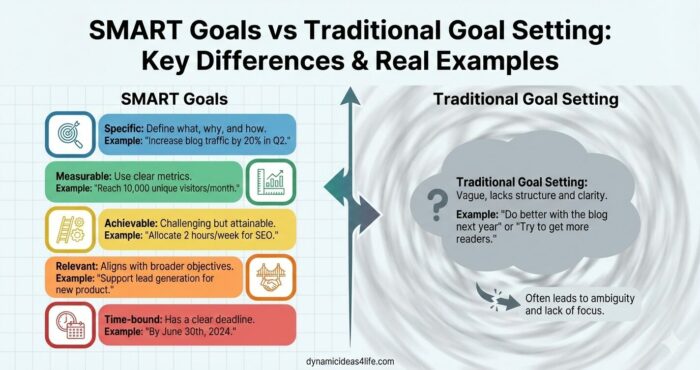
SMART goals vs traditional goal setting: SMART goals follow a structured framework (Specific, Measurable, Achievable, Relevant, Time-bound), while traditional goals are broader, vision-driven, and flexible. SMART goals focus on execution; traditional goals focus on direction and inspiration.
Setting goals is one of the most powerful tools for personal growth, career advancement, and business success. But not all goals are created equal. Some people prefer structured frameworks like SMART goals, while others rely on broader, more traditional goal-setting philosophies.
In this guide, we’ll break down SMART goals vs traditional goal setting, explore practical examples, and help you decide which approach works best for your personal and professional life.
Understanding the Basics: What Are SMART Goals?
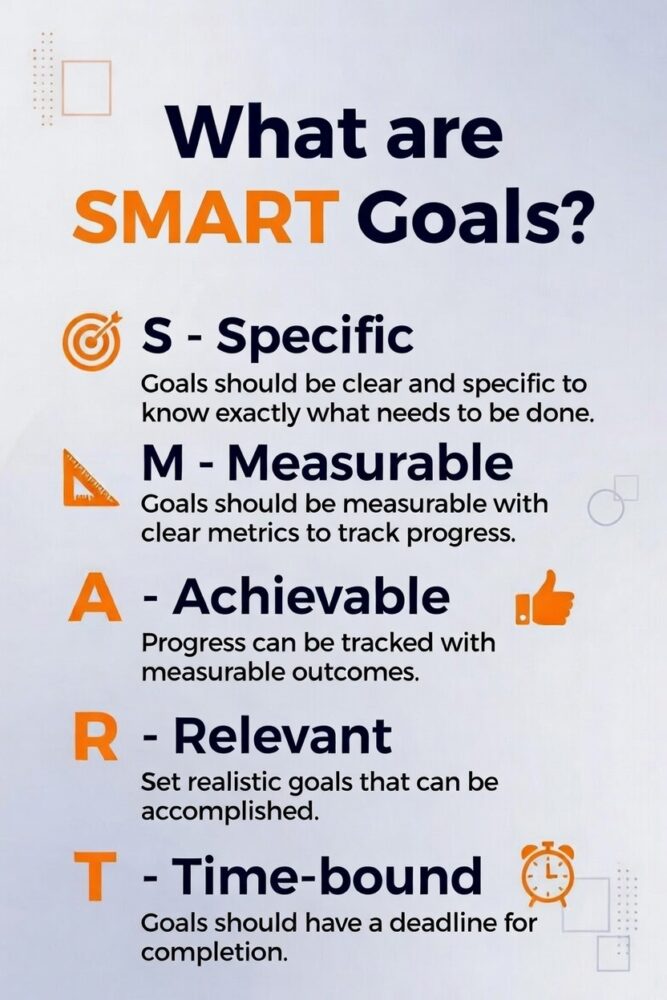
SMART goals are a structured method designed to create clarity, focus, and accountability in goal setting. Instead of vague ambitions, SMART goals require specific criteria that make progress measurable and achievable.
Defining SMART Goals: Specific, Measurable, Achievable, Relevant, Time-bound
SMART is an acronym for:
- Specific – Clearly defined and focused
- Measurable – Trackable with concrete criteria
- Achievable – Realistic and attainable
- Relevant – Aligned with broader objectives
- Time-bound – Set within a defined timeframe
Example of a SMART Goal
- ❌ Traditional goal:
“I want to get fit.” - ✅ SMART goal:
“I will go to the gym 3 times per week for 45 minutes over the next 12 weeks to improve my cardiovascular fitness.”
Notice the difference? The SMART version eliminates ambiguity and adds structure.
In my experience, many people set traditional goals with strong intention but struggle with follow-through. Converting broad ambitions into measurable milestones often makes the biggest difference in long-term consistency.
The Origin and Evolution of the SMART Framework

The SMART framework was first introduced by George T. Doran in 1981 in an article published in Management Review. Doran emphasized the importance of writing clear and practical objectives in business settings.
Over time, SMART goals expanded beyond corporate environments and became widely used in:
- Personal development
- Education
- Fitness and health planning
- Project management
- Performance reviews
Today, SMART remains one of the most recognized goal-setting frameworks worldwide.
Since its introduction by George T. Doran in 1981, the SMART framework has been widely adopted in corporate management systems, performance reviews, and project planning models across multiple industries.
Benefits of Implementing SMART Goals in Personal and Professional Settings
1. Clarity and Focus
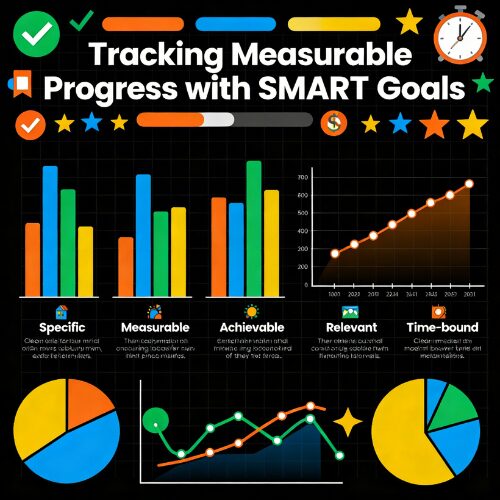
SMART goals remove confusion. You know exactly what you’re working toward.
2. Improved Motivation
Measurable milestones help maintain momentum.
3. Accountability
Timeframes and metrics make it easier to track progress.
4. Better Resource Allocation
Especially in business, SMART goals prevent wasted time and effort.
5. Reduced Procrastination
Deadlines create urgency.
Common Misconceptions and Pitfalls of SMART Goals
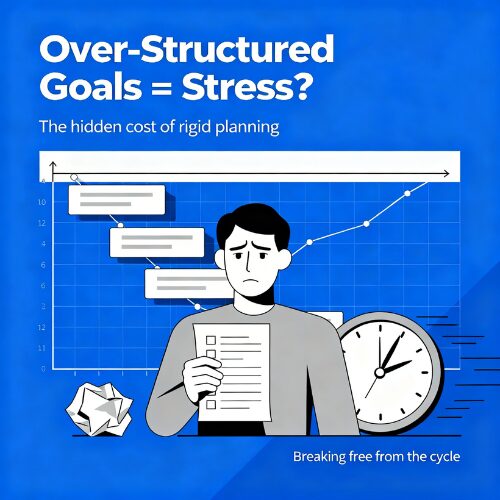
While powerful, SMART goals aren’t perfect.
- Misconception 1: SMART Goals Guarantee Success
They improve clarity — but execution still requires discipline. - Misconception 2: SMART Goals Are Always Realistic
People sometimes set “Achievable” goals based on optimism rather than reality. - Pitfall 1: Over-Structuring Creativity
Highly creative or visionary pursuits may feel constrained. - Pitfall 2: Short-Term Focus
Strict timeframes can sometimes discourage long-term thinking.

Fix Your Energy, Sleep and Nutrition Today 🛠
Get our 20-Step Healthy Living eBook, Daily Health Planner and our other bonuses sent to your inbox instantly. Start your journey with 7 days of exclusive gifts and expert tips to stay fit throughout 2026.
Disclaimer: We hate spam too. Unsubscribe anytime.
Traditional Goal Setting: A Timeless Philosophy

Traditional goal setting is broader and often more vision-driven. It focuses on intention and aspiration rather than rigid criteria.
The Fundamentals of Traditional Goal Setting
Traditional goals often:
- Focus on big-picture outcomes
- Emphasize motivation and purpose
- Leave room for flexibility
- Encourage long-term vision
Example of a Traditional Goal
“I want to build a successful online business.”
This approach inspires ambition without limiting the process to strict measurements.
How Traditional Goal Setting Differs from SMART Goals
| SMART Goals | Traditional Goals |
|---|---|
| Structured | Flexible |
| Measurable | Often qualitative |
| Time-specific | Open-ended |
| Outcome-focused | Vision-focused |
| Tactical | Inspirational |
- SMART goals answer how and when.
- Traditional goals answer why.
Pros and Cons of Setting Conventional Goals

Pros
- Encourages creativity
- Supports long-term vision
- Reduces pressure
- Allows flexibility
Cons
- Harder to measure progress
- Easier to procrastinate
- May lack accountability
- Can become vague and unrealistic
Implementation Challenges and How to Overcome Them
| Challenge 1: Lack of Direction |
| Solution: Break traditional goals into smaller milestones. |
| Challenge 2: Losing Motivation |
| Solution: Regularly revisit your purpose and adjust strategy. |
| Challenge 3: Unrealistic Expectations |
| Solution: Combine inspiration with periodic performance reviews. |
SMART Goals vs Traditional Goals: A Comparative Analysis
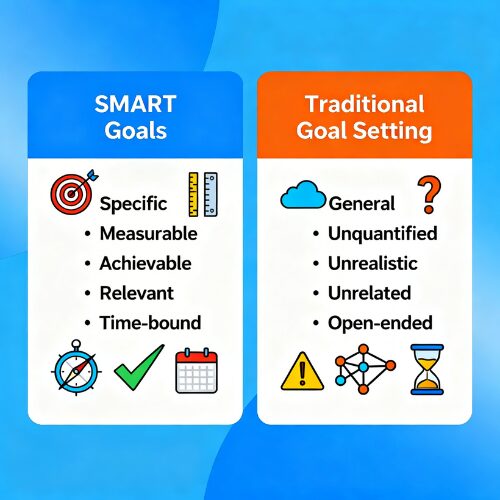
Understanding the difference between SMART goals and traditional goals helps you choose the most effective goal-setting method for your situation.
Key Differences in Structure and Execution:
- SMART goals provide a step-by-step framework.
- Traditional goals provide direction and inspiration.
- Think of SMART goals as a roadmap.
- Traditional goals are the destination vision.
Evaluating Why SMART Goals May Offer an Edge
SMART goals often outperform traditional goals when:
- Deadlines matter
- Results must be measurable
- Teams require accountability
- Resources are limited
- Performance evaluations are involved
Research in performance psychology consistently shows that clearly defined and measurable objectives improve execution rates compared to vague intentions, particularly in structured environments such as business or academic settings.
Scenarios Where Traditional Goal Setting Shines
Traditional goal setting works well when:
- Building long-term life vision
- Exploring creative projects
- Setting personal growth intentions
- Navigating uncertain or evolving industries
- Developing mindset shifts
For example, an artist may start with:
“I want to express myself more authentically through my work.”
That vision may later evolve into SMART milestones.
Case Studies: Success Stories from Both Approaches

Case Study 1: Corporate Team Using SMART Goals
A sales team sets a SMART objective:
“Increase quarterly revenue by 12% within 90 days by expanding outreach to 50 new qualified leads per week.”
Result: Clear accountability, measurable performance tracking, and improved team coordination.
Case Study 2: Entrepreneur Using Traditional Goal Setting
An entrepreneur sets a traditional goal:
“I want to create financial freedom through online business.”
Over time, this evolves into SMART objectives such as:
- Launch a product within 6 months
- Reach 5,000 email subscribers in 1 year
- Generate £3,000 monthly recurring income
The traditional goal provided the inspiration. SMART goals created execution structure.
Choosing the Right Approach: Tailoring Goals to Fit Your Needs

There is no universal “best” method. The right choice depends on context, personality, and objectives.
Assessing Personal and Professional Objectives
Ask yourself:
- Do I need measurable outcomes?
- Is there a deadline?
- Am I working alone or with a team?
- Is this goal creative or performance-based?
- Do I need flexibility?
Your answers guide the framework.
Determining When to Use SMART Goals versus Traditional Goals
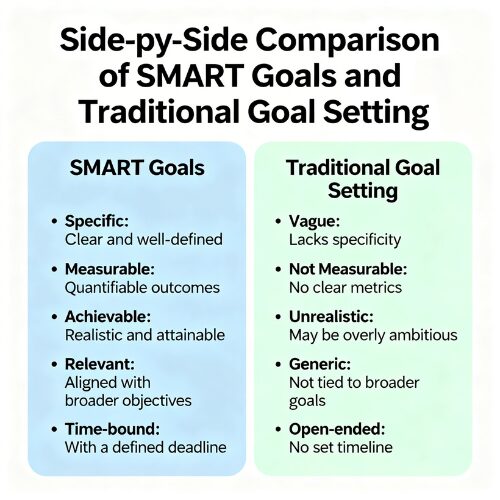
Use SMART Goals When:
- Results are quantifiable
- Time constraints exist
- You need accountability
- You’re tracking business performance
Use Traditional Goals When:
- You’re defining life vision
- You need inspiration
- Outcomes are exploratory
- Flexibility is critical
Tips for Blending Both Approaches for Optimal Results
The most effective strategy often combines both.
Step 1: Start with a Traditional Vision
Example:
“I want to improve my overall health and energy.”
Step 2: Translate Into SMART Milestones
- Exercise 4 times per week for 3 months
- Reduce processed food intake by 50%
- Sleep 7–8 hours nightly
This hybrid method gives you direction and structure.
The Role of Personal Commitment and Flexibility in Goal Achievement
No framework replaces commitment.
Even the most perfectly structured SMART goal fails without:
- Consistency
- Adaptability
- Honest self-reflection
- Willingness to adjust
Similarly, traditional goals require discipline to avoid becoming empty intentions.
The real key to success isn’t SMART vs traditional — it’s your ability to:
- Clarify your vision
- Break it into actionable steps
- Stay adaptable
- Track progress
- Refocus when needed
Related FAQs
1. What is the main difference between SMART goals and traditional goal setting?
The main difference is structure. SMART goals follow a defined framework — Specific, Measurable, Achievable, Relevant, and Time-bound — while traditional goal setting focuses on broader, vision-driven ambitions without strict measurement criteria.
2. Are SMART goals better than traditional goals?
SMART goals are often better for measurable, deadline-driven objectives such as business targets or fitness plans. Traditional goals may be better for long-term life vision, creativity, or personal growth. The best approach often combines both.
3. Can you combine SMART goals with traditional goal setting?
Yes. Many successful individuals start with a traditional vision (e.g., “I want financial freedom”) and then break it into SMART milestones (e.g., “Save £10,000 within 12 months”).
4. When should you use SMART goals?
SMART goals work best when:
– You need measurable results
– Deadlines matter
– You’re working in a team
– Progress needs to be tracked
5. What are examples of traditional goals?
Examples include:
– “I want to live a healthier lifestyle.”
– “I want to build a successful business.”
– “I want to improve my mindset.”
These are broad and inspirational but not highly structured.
6. Why do some people fail with SMART goals?
Common reasons include:
– Setting unrealistic timelines
– Overcomplicating goals
– Lack of personal commitment
– Focusing too much on short-term metrics
7. Do traditional goals lack accountability?
Traditional goals can lack accountability if not paired with milestones or check-ins. Adding periodic reviews can help maintain progress.
8. Which goal-setting method is best for entrepreneurs?
Entrepreneurs often benefit from blending both approaches — using traditional goals for long-term vision and SMART goals for quarterly or monthly execution targets.
Who This Guide Is For?
This comparison is ideal for:
- Entrepreneurs setting quarterly targets
- Professionals working toward promotions
- Students planning academic milestones
- Creatives defining long-term vision
- Anyone trying to improve productivity and follow-through
This clarifies audience intent and strengthens relevance.
Final Thoughts: SMART Goals vs Traditional Goal Setting
SMART goals offer clarity, accountability, and measurable progress.
Traditional goal setting offers inspiration, vision, and flexibility.
The strongest strategy blends both — starting with a compelling long-term vision and transforming it into structured, achievable milestones.
When used intentionally, both methods can drive meaningful success in;
- personal development,
- business growth,
- health, and
- life planning.
It’s important to remember that neither framework guarantees results. Consistent action, self-awareness, and adaptability ultimately determine whether a goal is achieved.






Anxiety and Depression BiOptimizers blood pressure supplements blood sugar control blood sugar support supplements digestive enzymes Digestive Enzymes Supplement digital products Dr Sam Robbins Exercise Gut Health Gut Health While Travelling Health Tips for Travelling Healthy Living heart health HFL how to lower blood sugar levels insulin resistance joint health supplement Keto keto dieting Keto Diet Weight Loss leaky gut supplements list magnesium Magnesium deficiency Matt Gallant mental health multivitamins Nootropics Probiotics Probiotic Supplements proteolytic enzymes reverse type 2 diabetes stress and anxiety stress relief Supplements vitabalance vitapost Wade Lightheart weight loss articles weight loss diet plans weight loss product reviews weight loss supplements weight loss tea
Fix Your Energy, Sleep and Nutrition Today 🛠
Get our 20-Step Healthy Living eBook, Daily Health Planner and our other bonuses sent to your inbox instantly. Start your journey with 7 days of exclusive gifts and expert tips to stay fit throughout 2026.
Disclaimer: We hate spam too. Unsubscribe anytime.
About Author





Good overview of why it’s important to set goals that are specific and measurable. Need to focus on the outcomes and develop a process which helps you accomplish your goal. A vague goal is easy to give up on or not see through to a successful conclusion. I am going to analyze my current goals and make sur to implement the SMART system as outlined.
Hi John,
Thank you — I’m really glad the overview resonated with you.
You’ve highlighted something really important: focusing not just on the outcome, but on the process that gets you there. That’s often the missing piece. A goal like “get healthier” or “earn more” sounds motivating at first, but without clarity and measurable steps, it’s easy to lose momentum.
Turning a vague goal into something specific and trackable makes progress visible — and visible progress builds motivation.
I love that you’re planning to review your current goals using the SMART framework. Even small refinements — making a deadline clearer or defining what success actually looks like — can dramatically increase follow-through.
Wishing you success as you refine your goals, and feel free to share how it goes!
Best wishes
Alex