
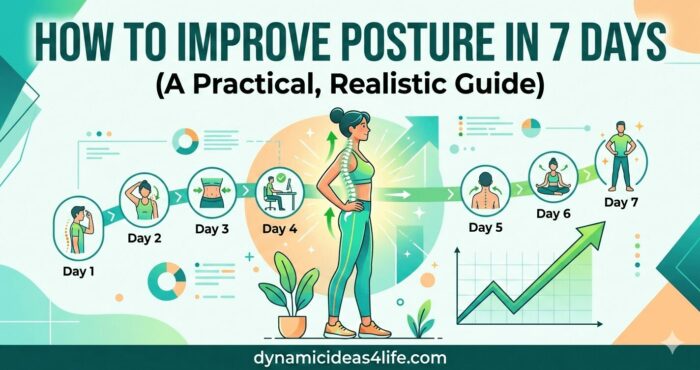
How To Improve Posture In 7 Days (A Practical, Realistic Guide)
Poor posture doesn’t develop overnight — and it won’t completely disappear overnight either.
But the good news? You can noticeably improve posture in 7 days with the right strategy and consistent daily habits.
Modern lifestyles make poor posture incredibly common. Long hours sitting at desks, looking down at phones, driving frequently, and spending too much time in front of screens can all contribute to rounded shoulders, forward head posture, and tight or weakened muscles.
Over time, these imbalances can lead to neck stiffness, back pain, reduced mobility, and even lower energy levels.
If you’re dealing with rounded shoulders, forward head posture, back stiffness, or desk-related tension, this guide will walk you step-by-step through how to improve posture safely and effectively.
Inside this practical guide, you’ll learn:
• How to assess your current posture
• The most common causes of poor posture
• Simple daily exercises that strengthen key muscles
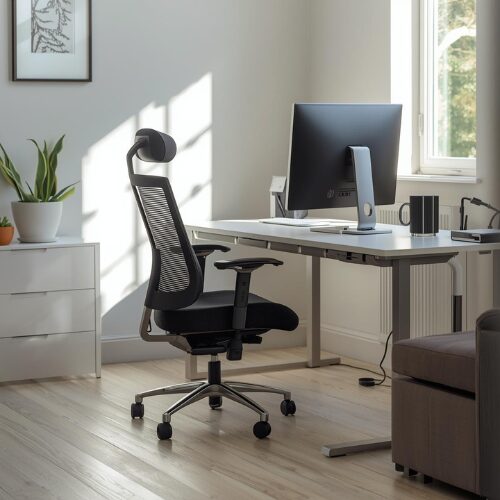
• Ergonomic adjustments that reduce strain
• A realistic 7-day posture improvement plan
Even small adjustments can create noticeable improvements in how your body feels and moves.
What Is Good Posture?
Good posture refers to the natural alignment of the body when standing, sitting, or moving. In proper posture, the ears, shoulders, hips, knees, and ankles stack vertically while the spine maintains its natural S-shaped curve.
This balanced alignment allows the body to distribute weight efficiently, reducing unnecessary strain on muscles, ligaments, and joints.
When posture is optimal, the body can move more freely, breathing becomes easier, and muscles work more efficiently to support everyday activities.
Poor posture, on the other hand, places excessive stress on certain muscle groups and joints, which can gradually lead to discomfort, fatigue, and long-term structural imbalance.
Understanding the Impact of Poor Posture
Posture is more than how you stand. It affects your breathing, digestion, energy levels, confidence, and even mood.

The Anatomy of Good vs Bad Posture
Good posture includes:
- Ears aligned over shoulders
- Shoulders relaxed (not rounded forward)
- Neutral spine (natural S-curve maintained)
- Core gently engaged
- Hips level and balanced
- Weight evenly distributed on both feet
Poor posture often looks like:
- Forward head position
- Rounded shoulders
- Excessive upper back curve (kyphosis)
- Anterior pelvic tilt (arched lower back)
- Slouched sitting
When posture shifts out of alignment, certain muscles become tight (chest, hip flexors, upper traps) while others become weak (deep neck flexors, glutes, core, mid-back).
Can You Improve Posture in 7 Days?
Yes — you can reduce muscle tension, activate weak stabilising muscles, and improve alignment awareness within one week. Full structural correction typically takes 4–8 weeks of consistent strengthening and ergonomic adjustments.
What Causes Poor Posture?
Poor posture often develops due to:
- Lack of movement throughout the day
- Prolonged sitting
- Excessive screen use
- Weak core and back muscles
- Tight hip flexors and chest muscles
- Poor workstation setup
Common Consequences of Sustained Poor Posture

Over time, poor posture can contribute to:
- Neck and shoulder tension
- Upper and lower back pain
- Headaches
- Reduced lung capacity
- Digestive discomfort
- Fatigue
- Increased injury risk
Long-term postural imbalance may also contribute to disc stress and joint strain.
Emotional and Psychological Effects on Well-Being
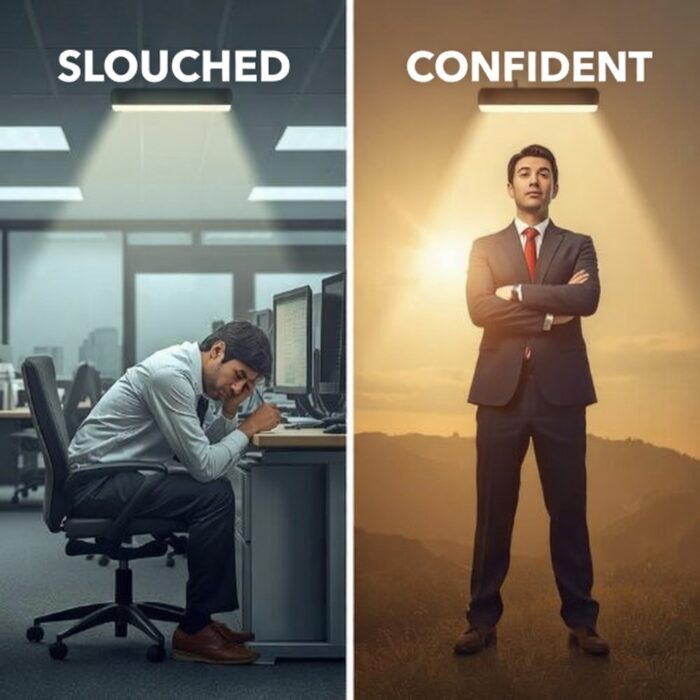
Posture doesn’t just influence the body — it affects how you feel.
Research published in peer-reviewed journals suggests that upright posture can:
- Positively Influence mood
- Increase perceived confidence
- Reduce feelings of stress
- Improve energy levels
Slouched posture is associated with:
- Lower self-confidence
- Reduced alertness
- Increased fatigue
Improving posture can genuinely shift both physical and mental state.
Assess Your Posture Today
Before correcting posture, you need to understand where you’re starting.
Simple Tests to Determine Your Current Posture State
1. Wall Test (2 Minutes)
Stand with:
- Heels against the wall
- Buttocks touching the wall
- Upper back touching the wall
Your head should lightly touch the wall without tilting.
If your head sits forward away from the wall, you likely have forward head posture.
2. Side Photo Test
Take a relaxed side-profile photo. Check alignment of:
- Ear
- Shoulder
- Hip
- Knee
- Ankle
These points should form a relatively straight vertical line.
Identifying Individual Habits That Affect Posture
Common posture-damaging habits:
- Looking down at your phone (tech neck)
- Long hours at a desk
- Driving frequently
- Sleeping without neck support
- Weak core muscles
- Carrying bags on one shoulder
Be honest — small daily habits create long-term posture changes.
Setting Realistic, Tailored Goals for Improvement
In 7 days, aim for:
- Reduced muscle tension
- Improved awareness
- Less discomfort
- Better sitting and standing alignment
Full structural correction takes longer — but visible improvement is absolutely possible.
Actionable Exercises to Enhance Posture
Consistency is more important than intensity.

Daily Stretches and Exercises (Foundation Routine)
Perform daily for 7 days:
1. Chest Opener Stretch (2 minutes)
- Stand in a doorway
- Place forearms on frame
- Lean forward gently
Targets rounded shoulders.
2. Chin Tucks (10 reps × 3 sets)
- Sit upright
- Gently pull chin straight back
- Hold 5 seconds
Strengthens deep neck flexors.
3. Cat-Cow (10 reps)
Improves spinal mobility.
4. Thoracic Extensions (10 reps)
Use a foam roller or chair back to extend upper spine.
Safety Notice: If you experience chronic back pain, numbness, tingling, or have a diagnosed spinal condition, consult a qualified healthcare professional before starting a posture correction routine.
How to Fix Forward Head Posture
Forward head posture often develops from prolonged screen use and “tech neck.”
To correct it:
- Perform chin tucks daily
- Raise your monitor to eye level
- Strengthen upper back muscles
- Stretch chest muscles
Building Strength in Core and Back Muscles
Weak stabilisers are a major cause of poor posture.
Essential Strength Exercises:
- Plank (30–60 seconds)
- Bird Dog (10 reps per side)
- Glute Bridges (15 reps)
- Resistance Band Rows (15 reps)
- Wall Angels (10 slow reps)
Focus on control, not speed.
Incorporating Posture-Corrective Props
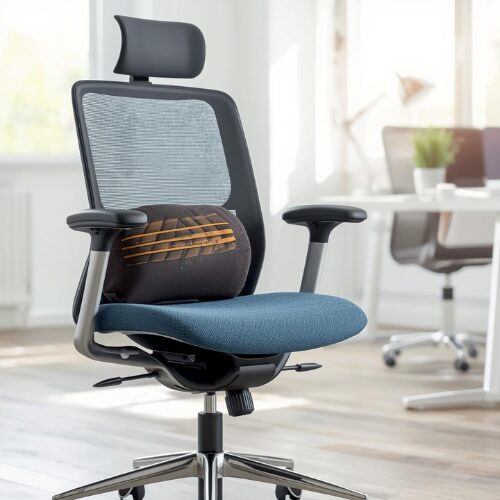
Helpful tools:
- Lumbar support cushion
- Standing desk
- Resistance bands
- Foam roller
- Posture reminder apps
- Supportive pillow
Use props as support, not replacement for strength training.
7-Day Posture Improvement Plan
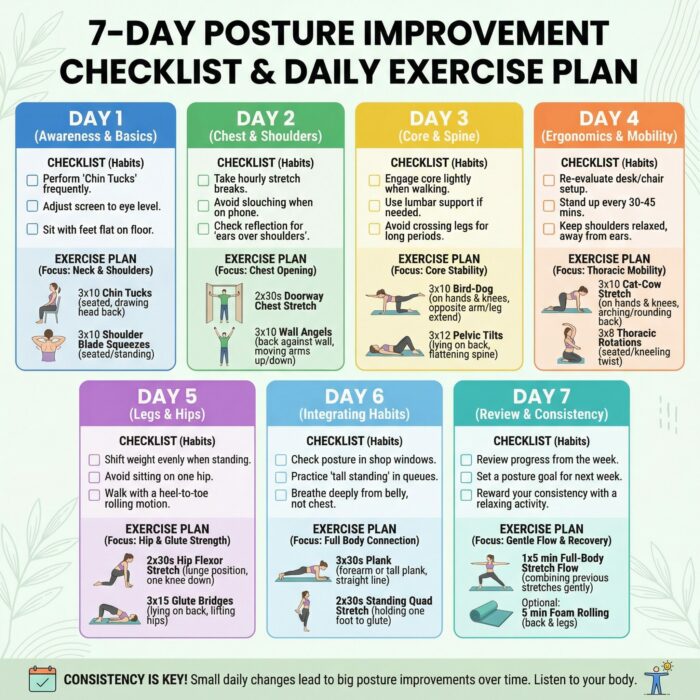
Day 1–2:
- Complete assessment
- Begin daily stretch routine
- Adjust workstation
Day 3–4:
- Add strengthening exercises
- Practice chin tucks hourly
Day 5–6:
- Increase plank time
- Focus on mindful sitting and standing
Day 7:
- Retake posture photo
- Compare progress
- Identify remaining weaknesses
Most people notice:
- Reduced tightness
- Improved upright stance
- Increased awareness















This really resonated with me. Ever since I transitioned to working from home, I’ve noticed how easy it is to slip into poor posture, especially after hours in front of the computer. I’ll catch myself hunched over my laptop or leaning forward without even realizing it. What really hit me, though, is when I started correcting my child for slouching on the couch while watching TV… and then realized I wasn’t exactly modeling great posture myself.
I appreciate how practical your 7-day approach is, because it feels doable rather than overwhelming. It’s encouraging to think that small, consistent adjustments can make a noticeable difference. In your experience, what’s the most effective habit to focus on first for someone who works at a desk most of the day?
Hi Alexa,
Thank you for sharing that — I think a lot of people working from home can relate to exactly what you described. When we’re focused on work, posture tends to drift without us even noticing, and laptops in particular make it easy to lean forward.
If I had to suggest one habit to start with, it would be regular posture check-ins throughout the day. Every 30–60 minutes, take a moment to reset: sit upright, bring your shoulders gently back, keep your feet flat on the floor, and make sure your screen is roughly at eye level. That simple reset prevents hours of gradual slouching from building up.
Another small but powerful habit is standing or moving for a minute or two each hour. Even short breaks help release tension and remind your body what good posture feels like.
You’re absolutely right that small, consistent adjustments make the biggest difference over time — and the fact that you’re already noticing the habit is a great first step.
Thanks again for your thoughtful comment!