Easy Stress Relief Techniques to Try at Home (Simple & Effective)
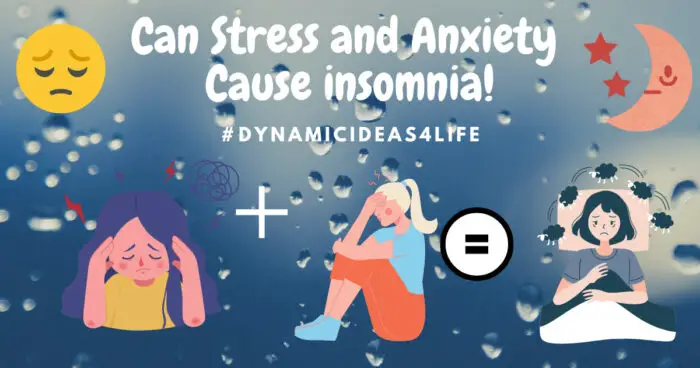
Stress is a natural part of everyday life, but when it builds up, it can affect your mood, sleep, focus, and overall health. The good news is that there are easy stress relief techniques you can practise at home — no special equipment, appointments, or experience required.
From calming breathing exercises to creative activities and gentle movement, these simple techniques can help you unwind, relax, and restore balance — even on the busiest days.
Deep Breathing Exercises for Instant Stress Relief
Deep breathing is one of the fastest and most effective ways to calm your nervous system. When you slow your breath, your body shifts out of “fight or flight” mode and into a state of relaxation.
4-7-8 Breathing Technique
This popular breathing method helps reduce anxiety and promote calm:
- Inhale through your nose for 4 seconds
- Hold your breath for 7 seconds
- Exhale slowly through your mouth for 8 seconds
Repeat the cycle 3–5 times to feel more grounded and relaxed.
Diaphragmatic (Belly) Breathing
Belly breathing involves taking slow, deep breaths that allow your abdomen — rather than your chest — to rise and fall. This technique helps lower stress hormones and encourages full relaxation.
Alternate Nostril Breathing
Often used in yoga, alternate nostril breathing involves gently closing one nostril at a time while inhaling and exhaling through the other. It’s believed to support mental clarity, balance the nervous system, and reduce stress.
👉 Meditation and Mindfulness Practices for Stress Relief
Meditation and mindfulness are powerful tools for managing stress and improving emotional well-being. These practices help you focus on the present moment rather than worrying about the past or future.
Mindfulness Meditation
Mindfulness meditation encourages awareness of your breath, thoughts, and bodily sensations without judgment. Even five minutes a day can help reduce stress, improve focus, and enhance emotional regulation.
Loving-Kindness Meditation
This form of meditation focuses on cultivating feelings of compassion and kindness toward yourself and others. It has been linked to reduced negative emotions and increased feelings of connection and calm.
You can also practise mindfulness during everyday activities like walking, eating, or washing dishes by fully focusing on the sensations involved.
👉 Yoga and Stretching Routines to Release Tension
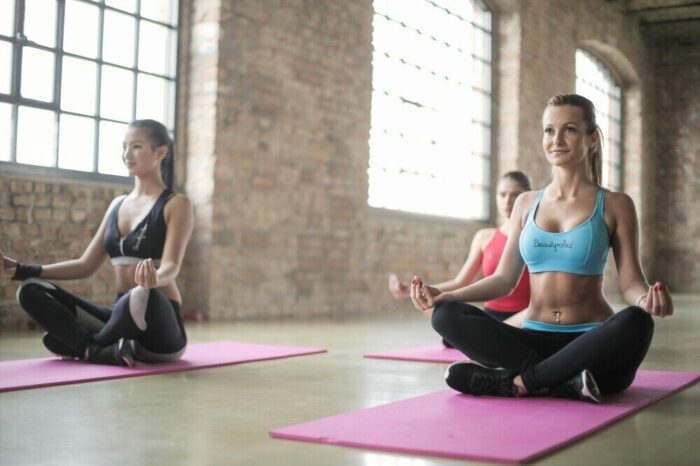
Gentle movement is an excellent way to relieve physical tension caused by stress.
Yoga for Stress Relief
Yoga combines movement, breathwork, and mindfulness to support both physical and mental relaxation. Styles such as Hatha yoga focus on slow, gentle poses, while Vinyasa yoga links movement with breath for a flowing, meditative experience.
Stretching Exercises
Stretching helps loosen tight muscles, improve flexibility, and increase circulation. Both dynamic stretching (gentle movement) and static stretching (holding poses) can reduce tension and support relaxation.
Progressive Muscle Relaxation
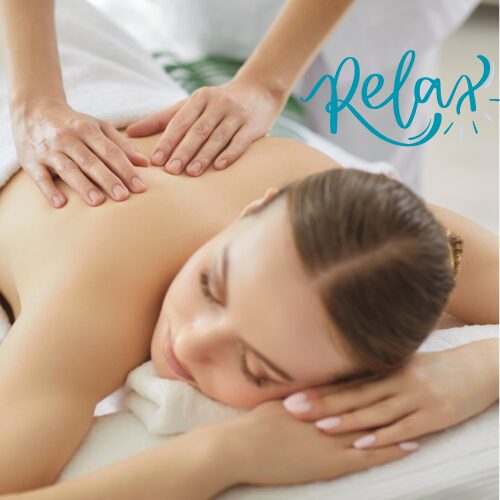
Progressive muscle relaxation (PMR) involves tensing and then slowly relaxing different muscle groups throughout the body. This technique helps you become more aware of physical tension and release it consciously.
Jacobson’s progressive muscle relaxation method, for example, involves tightening each muscle group for 5–10 seconds before fully relaxing it. PMR has been shown to reduce anxiety, improve sleep quality, and promote deep relaxation.
Creative Activities such as Painting or Writing

Creative expression can be a powerful stress reliever, especially if you struggle to express emotions verbally.
Painting, Drawing, or Crafting
Visual arts allow you to express emotions through colour, shape, and texture, helping to calm the mind and reduce mental overload.
Writing or Journaling
Writing helps you process thoughts, reflect on emotions, and gain clarity. Free writing, gratitude journaling, or creative storytelling can all reduce stress and promote emotional balance.
Creative activities often create a state of “flow,” where you become fully absorbed in the moment — a proven way to reduce stress and boost well-being.
Aromatherapy and Essential Oils
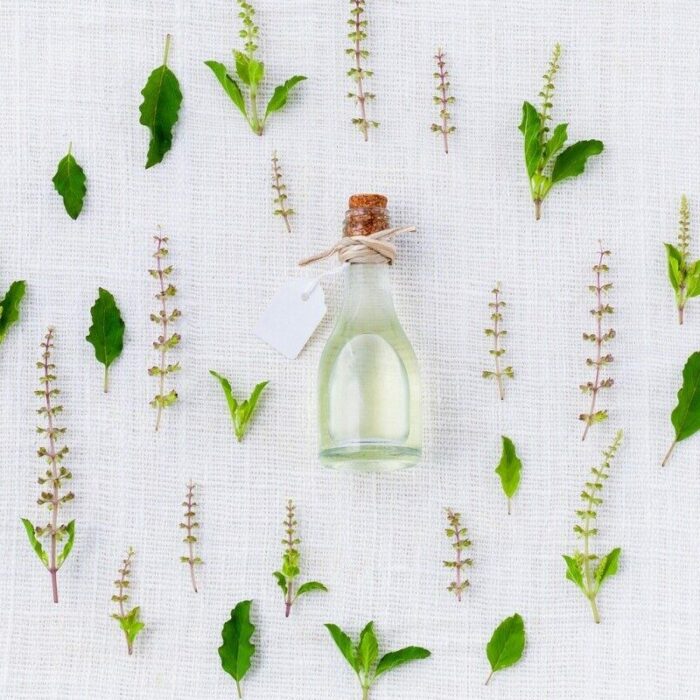
Aromatherapy uses natural plant extracts to support relaxation and emotional well-being.
- Lavender oil is widely known for its calming and sleep-supporting properties
- Chamomile oil may help ease anxiety and promote relaxation
You can use essential oils in a diffuser, add a few drops to a warm bath, or dilute them with a carrier oil for massage. Always patch test and use essential oils safely.
Safety Note: If you’re pregnant, managing a medical condition, or sensitive to scents, consult a healthcare professional before using essential oils or breathing techniques.
👉 How Music and Nature Sounds Help Relieve Stress
Music and natural sounds can have a powerful effect on your mood and stress levels.
- Slow, calming music can lower anxiety and promote relaxation
- Nature sounds like rain, ocean waves, or birdsong can help reduce mental tension and improve focus
Listening for even 10–15 minutes can help reset your nervous system and create a sense of calm.
In Conclusion
Stress may be unavoidable, but how you manage it makes all the difference. By practising easy stress relief techniques at home — such as breathing exercises, mindfulness, gentle movement, creative expression, or calming sounds — you can create small moments of calm throughout your day.
Start with one or two techniques that feel natural to you. Over time, these simple habits can significantly improve your emotional balance, mental clarity, and overall well-being.
Always listen to your body and seek professional advice if you have health concerns before trying new relaxation techniques.
Related FAQs
What is the fastest way to relieve stress at home?
Deep breathing exercises, such as the 4-7-8 method, are among the fastest ways to calm your body and mind.
How often should I practise stress relief techniques?
Daily practice is ideal, but even a few minutes several times a week can make a noticeable difference.
Can stress relief techniques improve sleep?
Yes. Techniques like progressive muscle relaxation, meditation, and aromatherapy can improve sleep quality by calming the nervous system.
Do I need special equipment to reduce stress at home?
No. Most stress relief techniques require nothing more than a quiet space and a few minutes of your time.
Are these techniques suitable for beginners?
Absolutely. All of these methods are beginner-friendly and can be adapted to your comfort level.
About Author