Accountability for Health, Wellness, and Success: What Actually Works?
Please Note / Health Disclaimer: This content is for educational purposes only and is not intended as medical advice. Always consult a qualified health professional for personalised guidance.
What Accountability Really Means

Accountability for health, wellness, and success is often the missing link between knowing what to do and actually doing it. Most people understand the foundations of healthy living:
- Eating well
- Staying active
- Managing stress
- Prioritising sleep
Yet many still struggle to stay consistent over time.
Accountability bridges this gap by creating structure, awareness, and follow-through. Whether you’re building fitness habits, improving nutrition, supporting gut health, or developing sustainable self-care routines, accountability systems help turn good intentions into lasting lifestyle changes.
From observing real-world behaviour patterns across health and wellness practices, one thing becomes clear: people who intentionally build accountability into their routines are far more likely to succeed — not simply because they have more willpower, but because they rely on better systems overall.
The Psychology Behind Accountability That Makes It Effective

Several psychological principles explain why accountability works so well — particularly for health and lifestyle change:
- Social expectation: Humans are wired to care about how they’re perceived. Knowing someone else is aware of your goals often increases consistency with healthy habits.
- Commitment bias: Once we commit to a routine — especially publicly — we’re more likely to follow through with actions like exercise, meal planning, or sleep schedules.
- Self-regulation: Accountability creates structure, helping us notice patterns, course-correct, and stay aligned with wellbeing goals.
- Loss aversion: Many people are more motivated to avoid letting themselves or others down than they are by rewards alone.
Together, these mechanisms help explain why accountability supports long-term habit formation rather than short bursts of motivation.
Why People Avoid Accountability
Despite its benefits, many people resist accountability because despite its benefits it:
- Exposes inconsistency or setbacks
- Creates discomfort or pressure
- Challenges familiar excuses and avoidance patterns
In a health context, this often shows up as starting and stopping diets, abandoning fitness plans, or neglecting stress management routines. Avoiding accountability may feel easier short term, but it usually leads to procrastination, inconsistency, and stalled progress over time.
The Benefits of Being Held Accountable
When accountability is applied in a supportive and realistic way, it can lead to:
- Increased consistency with healthy habits
- Faster progress toward wellness goals
- Greater self-awareness around behaviours and triggers
- Improved confidence and long-term personal growth
Accountability works best when it supports progress rather than perfection.
Personal Accountability: Mastering Self-Discipline

Why Personal Accountability Is So Powerful
Personal accountability is the foundation of sustainable self-discipline. It means taking ownership of your daily choices — even when motivation is low or life feels busy. In health and wellness, this is especially important, as progress is built through small actions repeated consistently.
People who practise self-accountability tend to be more resilient and adaptable because they focus on what they can control: routines, habits, and environment rather than outcomes alone.
Tools to Develop Self-Discipline
Some proven methods include:
- Daily goal setting (focusing on 1–3 health priorities)
- Habit tracking (movement, hydration, sleep, or meals)
- Time blocking (scheduling workouts or self-care)
- Clear rewards and gentle consequences
Consistency matters more than intensity when it comes to long-term wellbeing.
Creating a Personal Accountability Framework
An effective personal accountability framework includes:
- Clear, measurable health-focused goals
- Regular progress tracking (journals, checklists, or apps)
- Weekly self-reflection focused on learning rather than judgment
Ask yourself:
- Did my actions support my health goals this week?
- What obstacles showed up, and how did I respond?
- What small adjustment can I make next week?
This reflective approach reduces burnout while supporting steady improvement.
Real-Life Transformations
Many people have transformed their lives through personal accountability — from improving fitness levels and gut health to managing stress and building sustainable routines. The common factor is simple: they stopped outsourcing responsibility and started tracking behaviour consistently.
This habit-based approach is also the foundation of my Healthy Living eBook, which focuses on realistic systems that support long-term wellness rather than short-term fixes.
Peer Accountability Partners: Unlocking Collaborative Success

Why Accountability Works Better With Others
Surrounding yourself with like-minded individuals increases motivation and perspective. In a health and wellness context, peer accountability can provide:
- External structure during low-motivation periods
- Encouragement through setbacks
- Honest, supportive feedback
You’re far less likely to abandon healthy habits when someone else is aware of your goals and progress.
How to Choose the Right Accountability Partner
Look for someone who is:
- Reliable and consistent
- Honest but supportive
- Goal-oriented themselves
- Willing to challenge excuses
Avoid partners who enable procrastination or lack commitment.
Techniques for Effective Accountability Partnerships
To maximise results:
- Schedule weekly or bi-weekly check-ins
- Share clear, realistic health goals
- Use simple progress updates
- Offer encouragement rather than criticism
- Celebrate consistency, not just outcomes
Even informal check-ins can dramatically improve follow-through.
Real-World Examples
Peer accountability is widely used in:
- Fitness coaching and weight-loss groups
- Business mastermind groups
- Writing and creative circles
In many cases, results improve dramatically simply because someone else expects progress.
Technology to Keep You on Track: Digital Accountability Tools
Popular Digital Accountability Tools
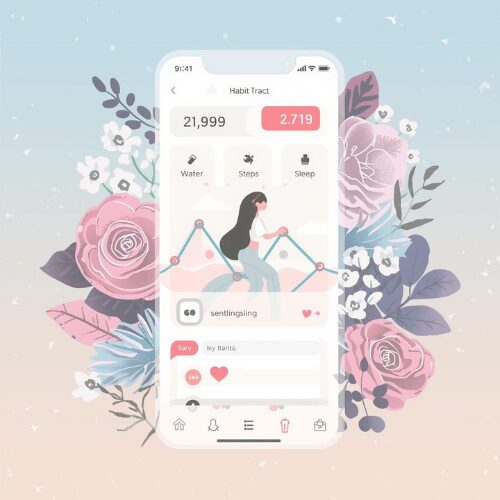
Modern technology makes accountability easier than ever. Popular tools include:
- Habit-tracking apps
- Productivity and task-management platforms
- Fitness trackers and nutrition apps
- Budgeting and finance apps
Many allow progress sharing for added accountability.
How Technology Supports Accountability
Digital tools be especially helpful for health and wellness accountability by offering:
- Automated reminders for movement, hydration, or mindfulness
- Data-driven insights into habits and patterns
- Visual progress tracking
- Support for long-term consistency
When used intentionally, technology removes guesswork and supports awareness.
Building a Tech-Based Accountability System
To get the most out of digital tools:
- Integrate apps where possible (calendar + tasks + habits)
- Customise notifications (avoid overload)
- Track meaningful metrics, not everything
Avoiding Tech Dependency
Technology should support healthy behaviour — not replace self-awareness or flexibility. Regularly reviewing which tools genuinely help keeps accountability supportive rather than overwhelming.
Creating an Accountability Culture: Beyond the Individual

Accountability in Teams and Organisations
Accountability isn’t just personal — it’s cultural. High-performing teams thrive on:
- Clear expectations
- Ownership of outcomes
- Transparent communication
When accountability is shared, trust increases.
Leadership and Accountability
Leaders set the tone. When leaders:
- Admit mistakes
- Follow through on commitments
- Encourage open feedback
…accountability becomes normal, not feared.
Systems That Support Accountability
Effective organisations use:
- Regular check-ins and reviews
- Clear roles and responsibilities
- Open feedback loops
- Documented processes
Structure reduces ambiguity and excuses.
Organisations That Thrive on Accountability
Many successful companies credit their growth to strong accountability cultures, where collaboration, responsibility, and continuous improvement are valued over blame.
Final Thoughts: Accountability Is a Skill You Can Build
Lasting health and wellness aren’t created through short bursts of motivation — they’re built through consistent, supportive habits over time. Accountability provides the framework that makes those habits stick, even when motivation naturally fluctuates.
Whether you choose personal tracking, a trusted accountability partner, supportive technology, or a wellness-focused community, the key is finding methods that feel encouraging rather than restrictive. Healthy accountability isn’t about pressure — it’s about awareness, alignment, and progress.
If you’re serious about creating sustainable healthy routines — from nutrition and gut health to movement, stress management, and daily self-care — accountability works best when paired with clear guidance and practical tools. That’s exactly why I created my Healthy Living eBook: to help you build realistic, evidence-informed habits that fit into everyday life.
Rather than chasing quick fixes, the ebook focuses on small, repeatable actions, supportive systems, and lifestyle strategies you can maintain long term — the same principles that make accountability effective in the first place.
Related FAQS
Why is accountability important for healthy living?
Accountability helps turn healthy intentions into consistent habits by providing structure, motivation, and follow-through over time.
How does accountability improve fitness and weight management?
When progress is tracked and reviewed regularly, people are more likely to stick to workouts, make mindful food choices, and maintain healthy routines.
What is the best accountability method for wellness goals?
A combination of personal habit tracking and external support—such as a workout partner or wellness group—tends to work best.
Can accountability reduce stress and burnout?
Yes. Accountability creates routines and clarity, reducing decision fatigue and making healthy choices feel more manageable.
Are wellness apps enough to stay accountable?
Apps are helpful tools, but long-term success often comes from combining technology with self-reflection and social support.
How do I stay accountable without becoming obsessive?
Focus on progress over perfection, track only key habits, and include rest and flexibility as part of your wellness plan.
What are examples of accountability for mental wellbeing?
Daily check-ins, mood tracking, meditation reminders, and regular self-reflection can all support mental and emotional health.





Fix Your Energy, Sleep and Nutrition Today 🛠
Get our 20-Step Healthy Living eBook, Daily Health Planner and our other bonuses sent to your inbox instantly. Start your journey with 7 days of exclusive gifts and expert tips to stay fit throughout 2026.
Disclaimer: We hate spam too. Unsubscribe anytime.
About Author