

Best Probiotics for Long Flights & Jet Lag
Long-haul flights don’t just disrupt sleep — they can significantly affect gut health, digestion, and energy levels.
These travel-related digestive issues are why many people look for the best probiotics for flying and jet lag support.
Air travel exposes your body to time zone shifts, dehydration, cabin pressure, stress hormones, and poor sleep, all of which can disturb the gut microbiome. Many travellers experience:
- Bloating after flying
- Constipation during travel
- Diarrhoea from travel stress
- Appetite changes
- Fatigue and brain fog linked to gut imbalance
This guide explains how long flights impact the microbiome and how travel-ready probiotics may help support digestive balance and recovery.
This article is part of our evidence-informed digestive health series focused on travel-related gut stress and microbiome support.
How Long Flights & Jet Lag Disrupt Gut Health and Digestion
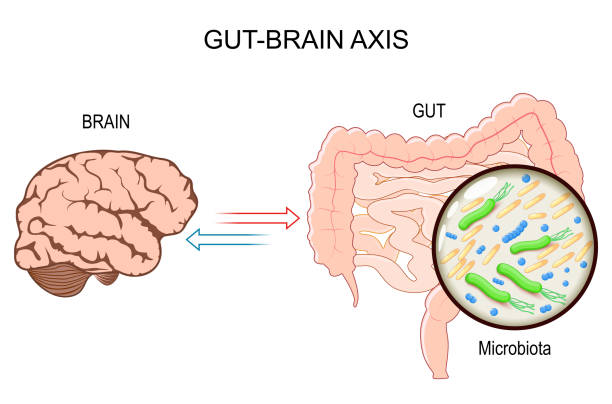
Long-distance flying affects digestion through several physiological mechanisms:
- Circadian rhythm disruption
Crossing time zones alters the body clock, which also regulates gut bacteria activity and digestive timing. - Dehydration
Low cabin humidity slows intestinal motility, which can lead to constipation and bloating. - Stress hormone release
Travel stress increases cortisol, which may weaken gut barrier integrity and affect microbial balance. - Low cabin oxygen & inactivity
Reduced movement and oxygen levels can slow digestion and affect nutrient absorption.
Because the gut and brain communicate through the gut-brain axis, microbiome disruption may also contribute to:
- Fatigue
- Poor sleep quality
- Mood changes
- Brain fog
This is why digestive issues after flying often occur alongside jet lag symptoms.
Research shows that circadian rhythm disruption and stress can influence gut microbial balance and digestive function.
Common Digestive Problems After Long Flights
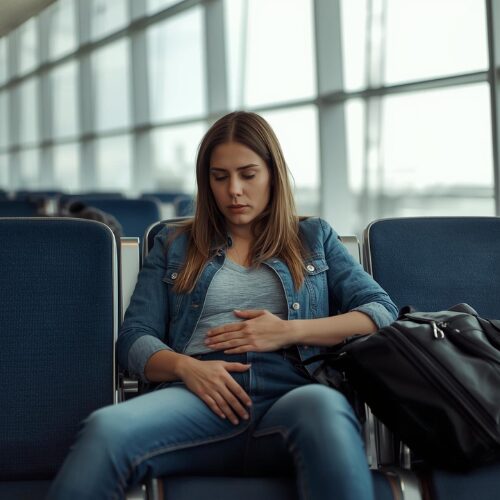
Many people search for solutions to these travel-related gut issues:
- Bloating after long flights
- Constipation when travelling
- Irregular bowel movements during air travel
- Stomach discomfort after flying
- Digestive slowdown from dehydration
- Travel-related immune dips
Supporting travel gut health before, during, and after flights can reduce these disruptions.
Why Probiotics May Help With Digestion During Long Flights

A well-formulated probiotic can:A well-formulated probiotic may help support the microbiome during the stress of air travel by:
- Supporting gut bacteria balance during circadian disruption
- Helping crowd out unwanted microbes
- Supporting immune defenses weakened by travel stress
- Supporting bowel regularity and digestive comfort
Rather than acting as a quick symptom fix, probiotics aim to support the gut environment, which may indirectly reduce some digestive stress associated with jet lag.
However, not all probiotics are suitable for flying.
What to Look for in the Best Probiotic for Flying & Jet Lag
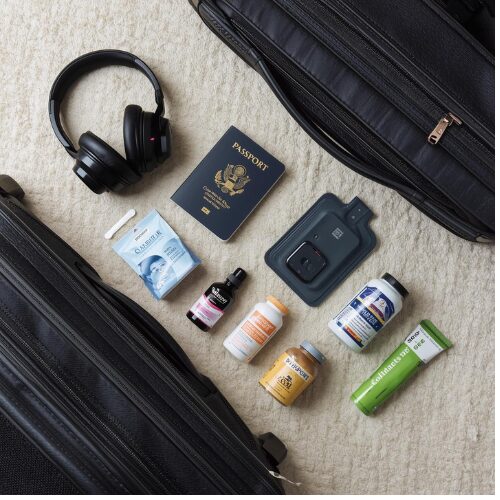
Long-haul air travel requires specific features that general probiotics may not provide.
1. Acid Survival
Good Probiotic Strains should survive stomach acid to reach the intestines effectively.
2. Stress-Resilient Strains
Travel stress affects the gut-brain axis, so robust strains are important.
3. Shelf Stability
Refrigeration isn’t practical during flights. Travel probiotics should remain stable at room temperature.
4. Microbiome Support Over Time
Highly survivable or colonizing strains may provide more sustained support during and after travel.
No. #1 Travel-Friendly Probiotic Option
⭐ BioOptimizers Probiotic Breakthrough aka⭐ BioOptimizers Probiotic Breakthrough (P3-OM®)
P3-OM® is often chosen by frequent travelers because it:
- Is designed to survive harsh digestive conditions
- Supports microbiome balance during stress
- Is shelf-stable and travel friendly
- Fits easily into pre-flight and post-flight routines
➡️ See how P3-OM fits into a complete travel gut health system
➡️ Read our full P3-OM probiotic review
How to Use Probiotics for Long Flights
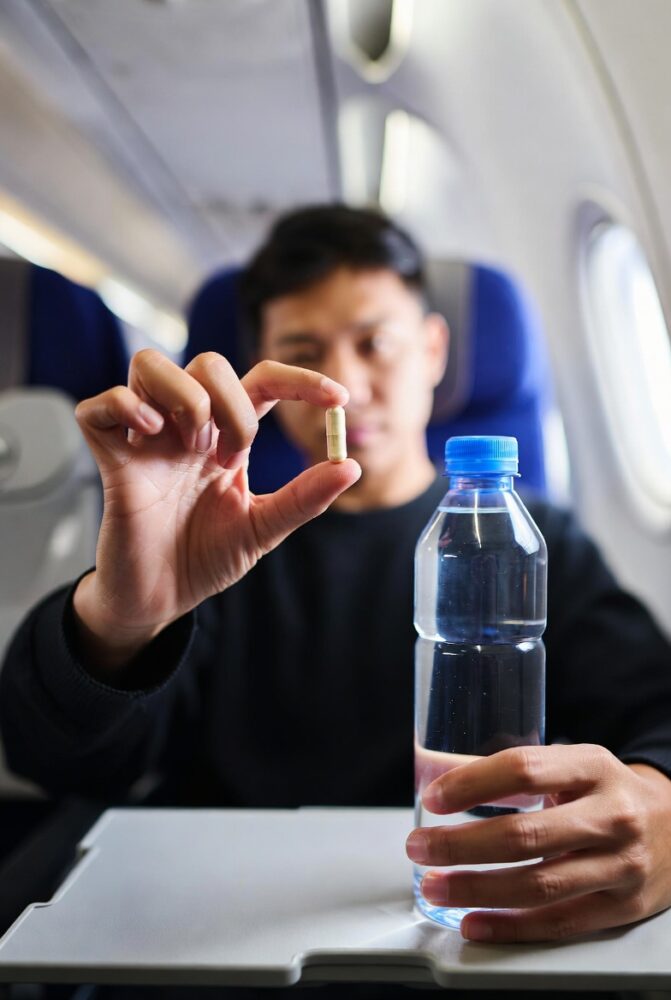
Before Flying
- Start 7–14 days before travel
- Reduce excess sugar and alcohol
- Focus on hydration
During Travel
- Take daily for consistency
- Drink water regularly
- Move periodically to support digestion
After Arrival
- Continue for 1–2 weeks
- Support sleep to help circadian rhythm recovery
- Eat fiber-rich whole foods
Consistency matters more than exact timing.
Who Should Speak to a Professional Before Using Probiotics
Probiotics are generally well tolerated, but medical guidance is recommended for:
- Severely immunocompromised individuals
- People with serious gastrointestinal conditions
- Those under medical supervision
Probiotics vs Sleep Supplements for Jet Lag
| Feature | Probiotics | Sleep Aids |
|---|---|---|
| Support digestion | ✅ | ❌ |
| Support immunity | ✅ | ❌ |
| Address root cause | ✅ | ❌ |
| Symptom-only relief | ❌ | ✅ |
Sleep aids may help with rest, but probiotics aim to support the underlying gut disruption associated with travel stress.
Related FAQs
Do probiotics help with jet lag?
They do not directly change time zones, but supporting gut balance may help reduce digestive and immune stress linked to circadian disruption.
Should I take probiotics on the plane?
Yes. Consistency is more important than exact timing.
How long should I take probiotics after a long flight?
7–14 days may help support microbiome recovery after long-haul travel.
What is the best probiotic for flying?
Look for shelf-stable, acid-resistant strains designed to support digestive balance under stress.
Can flying affect your digestion?
Yes. Dehydration, inactivity, stress hormones, and circadian rhythm disruption during air travel can slow digestion and alter gut bacteria balance.
Recommended Travel Gut Health Stack
Long flights are one of the biggest stressors on gut health. A travel-ready probiotic can help maintain digestive balance, support immunity, and reduce the gut-related side effects of jet lag.
Recommended Travel Stack for Long Flights
- P3-OM® – microbiome protection
- MassZymes® – digestion support
- Magnesium Breakthrough® – sleep & recovery
If you fly long distances often, the right probiotic strategy can make travel dramatically easier on your body.

Final Takeaway
Long flights are a major stressor on the digestive system. Circadian disruption, dehydration, and travel stress can affect the microbiome, leading to bloating, constipation, and fatigue.
A travel-ready probiotic may help support digestive balance, immune resilience, and gut comfort before, during, and after long-haul flights — making travel easier on your body.
Please Note: This content is for educational purposes and is not medical advice. Always consult a healthcare professional for personal health concerns.

Fix Your Energy, Sleep and Nutrition Today 🛠
Get our 20-Step Healthy Living eBook, Daily Health Planner and our other bonuses sent to your inbox instantly. Start your journey with 7 days of exclusive gifts and expert tips to stay fit throughout 2026.
Disclaimer: We hate spam too. Unsubscribe anytime.






Anxiety and Depression BiOptimizers blood pressure supplements blood sugar control blood sugar support supplements digestive enzymes Digestive Enzymes Supplement Digestive Health digital products Dr Sam Robbins Gut Health Gut Health While Travelling Health Tips for Travelling Healthy Living heart health HFL how to lower blood sugar levels insulin resistance joint health supplement Keto keto dieting Keto Diet Weight Loss leaky gut supplements leptin resistance list magnesium Magnesium deficiency Matt Gallant mental health Nootropics Probiotics Probiotic Supplements proteolytic enzymes reverse type 2 diabetes stress and anxiety stress relief Supplements vitabalance vitapost Wade Lightheart weight loss articles weight loss diet plans weight loss product reviews weight loss supplements weight loss tea
As an avid traveler, this is great info about how certain probiotics should be taken for travel. However, do you suggest using the same probiotic (that’s also good for travel) when you are not traveling? Or is it better to switch after 14 days since travel to a different type of probiotic?
Hi Melani, great question yes I would personally stick to P3om as it is shelf stable and the Probiotics have a very good survival rate. I mean the only thing is it is only one strain L. Plantarum and other Probiotic Strains could be more beneficial for different things. Although, it is still important to make sure you get a reliable supplement as probiotics are live bacteria and they can die. For this reason choosing a trusted brand is very important.